2026 Top Telescopic Crawler Crane Features You Need to Know?
The evolving landscape of construction heavily relies on innovative machinery. The telescopic crawler crane represents a significant advancement in this field. Recent industry reports indicate that the telescopic crawler crane market is projected to grow at a CAGR of over 10% through 2026. With its unique features, this equipment enhances efficiency while significantly reducing operational complexities.
Key features of the telescopic crawler crane include improved lifting capacity, enhanced mobility, and advanced reach capabilities. This allows operators to tackle challenging construction environments effectively. Although many operators admire these cranes, they may overlook certain limitations, such as stability in adverse weather conditions. Understanding these nuances is essential for optimal usage.
Companies looking to invest in telescopic crawler cranes should prioritize training and maintenance. Statistics show that inadequate training leads to 30% of equipment-related accidents. As technology advances, ongoing education becomes crucial. The features of telescopic crawler cranes are not just enhancements; they are essential tools for modern construction challenges.
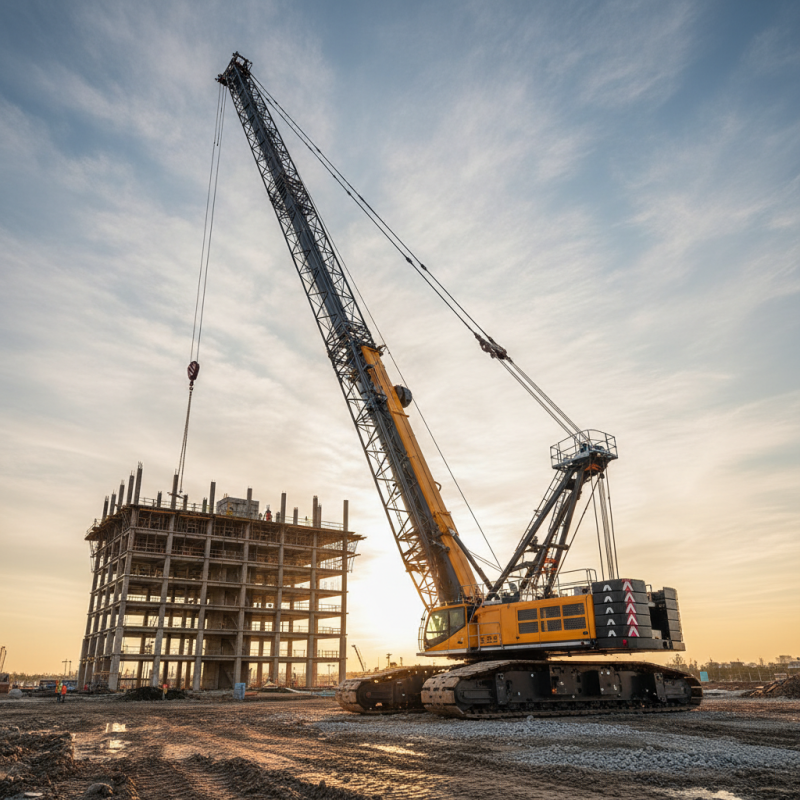
2026 Telescopic Crawler Crane Overview and Market Trends
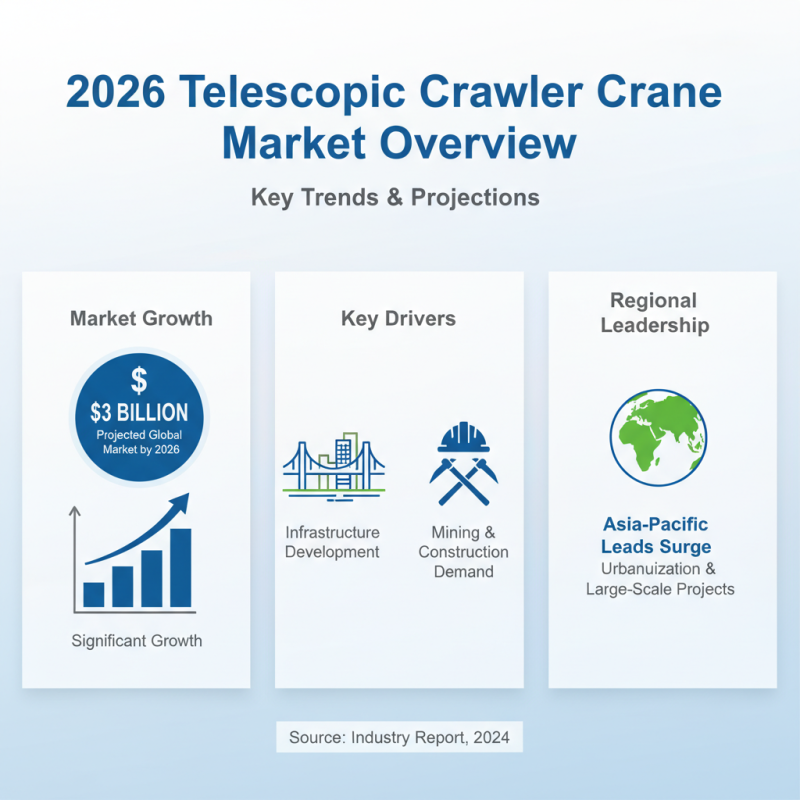
The 2026 telescopic crawler crane market is experiencing significant growth. According to a recent industry report, the global market is projected to reach $3 billion by 2026. This growth is driven by infrastructure development and increased demand in mining and construction sectors. Various regions, especially Asia-Pacific, are leading this surge due to urbanization and large-scale projects.
One key feature of these cranes is their innovative design, which allows for greater lifting capacity and stability. The cranes can operate effectively on rough terrains. They are equipped with advanced control systems, improving efficiency. However, some models may face reliability challenges, particularly in extreme weather conditions. Industry experts suggest that manufacturers need to focus on enhancing design and materials to overcome these issues.
Market trends indicate a shift towards eco-friendly cranes. Many companies are investing in electric models to meet sustainability goals. However, the higher initial cost of these cranes could deter some buyers. Balancing eco-friendliness with operational cost is a critical reflection point for the industry. Overall, the 2026 market will require adaptability to both technological advances and environmental expectations.
Key Features of Telescopic Crawler Cranes: Design and Functionality
Telescopic crawler cranes are vital in construction due to their design and functionality. These cranes combine the stability of crawler tracks with the flexibility of a telescopic boom. This unique design allows them to maneuver easily on various terrains, making them ideal for challenging job sites.
The telescopic boom extends and retracts, enabling operators to adjust the reach of the crane quickly. This feature enhances efficiency on-site. Operators can raise heavy loads to significant heights, all while maintaining balance.
However, managing such a powerful machine requires skill. Mistakes in operation can lead to accidents, underscoring the importance of training.
Another important aspect is the control system. Modern telescopic crawler cranes often feature advanced control mechanisms. These systems help operators manage complex lifts with precision. Yet, the reliance on technology can be a double-edged sword. Operators must remain vigilant, as overconfidence in these systems can lead to oversights and errors. Understanding both the strengths and limitations of these features is essential for safe operations.
Load Capacity and Operating Ranges of 2026 Models Compared
When examining the load capacity and operating ranges of telescopic crawler cranes in 2026, a significant focus is on how various models compare. Industry reports indicate that leading models can lift loads up to 1,200 tons, with operating radii extending beyond 80 meters. This impressive lift capacity supports projects requiring heavy lifting in various environments, from urban construction to industrial applications.
However, each model has distinct trade-offs. Some cranes with higher load capacities may possess reduced operating ranges, limiting their versatility on-site. For example, cranes rated for 1,000 tons might only achieve a maximum operating radius of 70 meters. Knowing these limitations is crucial for project managers when selecting the right equipment.
The latest data shows that potential advancements in hydraulic systems may enhance these capabilities further. Improved hydraulics could reduce the time needed to transition between lifting operations. Yet, the complexity of these systems may pose maintenance challenges, impacting reliability in the field. Understanding these nuances in load capacity and operational efficiency is paramount for informed decision-making in construction projects.
Technological Innovations in Telescopic Crawler Cranes for 2026
In 2026, telescopic crawler cranes are set to feature groundbreaking technological innovations. These machines will incorporate advanced sensors and AI-driven systems. Such enhancements will improve stability and safety on various job sites. Operators will benefit from real-time data, enabling better decision-making. This is crucial in high-stakes environments like construction and heavy lifting.
The use of lightweight materials is another significant innovation. These materials increase durability while reducing the overall weight. This can lead to improved fuel efficiency and easier transport. Moreover, hydraulic systems are being re-engineered for faster operation. This means cranes could set up and start working more quickly. However, these advancements require careful implementation. Operators must adapt to new controls and features, which can be demanding.
There are challenges, too. Training for users is essential to maximize these innovations. Upgrading older models can be costly and time-consuming. Furthermore, reliance on technology may pose risks if not approached cautiously. As these cranes evolve, continuous feedback from operators will be vital. It's important to address any shortcomings in functionality and usability. Continuous improvement is key to harnessing the full potential of these machines.
2026 Top Telescopic Crawler Crane Features
Safety Standards and Regulatory Compliance for Modern Crawler Cranes
When considering modern crawler cranes, safety standards are crucial. These machines operate in challenging environments and can pose risks if not used properly. Regulatory compliance is essential to ensure that safety measures are met. This includes adherence to guidelines set by safety organizations and agencies.
Modern crawlers are built with advanced technologies that enhance safety. Features like overload protection and automatic shut-off systems are now standard. However, not all machines meet these safety requirements. Users should review compliance certifications thoroughly. Understanding these nuances is key.
While manufacturers may promote their cranes as safe, real-world performance can vary. Training operators is vital, yet often overlooked. Gaps in knowledge can lead to accidents. Ensuring that all staff are well-informed about safety protocols is critical for reducing risks on job sites. The conversation should not just focus on machinery but also on the people who operate them.