All Terrain Crane Buying Tips for Global Buyers?
When considering the purchase of an all terrain crane, buyers face numerous challenges. These heavy machines are designed for versatility and mobility, capable of operating on various landscapes. Understanding their specifications and capabilities is crucial. Each crane model offers different features that cater to specific needs.
Choosing the right all terrain crane requires a blend of industry knowledge and informed decision-making. Buyers should consider factors such as load capacity, engine power, and manufacturer reputation. Inspecting potential machines before purchase adds a significant layer of security.
Lastly, market trends and pricing can shift rapidly. Buyers must stay informed to avoid costly mistakes. The investment in an all terrain crane is substantial. Therefore, thorough research, reliable sources, and expert advice are essential components in making the best choice. Reflect on your unique requirements before proceeding.
Understanding the Types of All Terrain Cranes and Their Applications
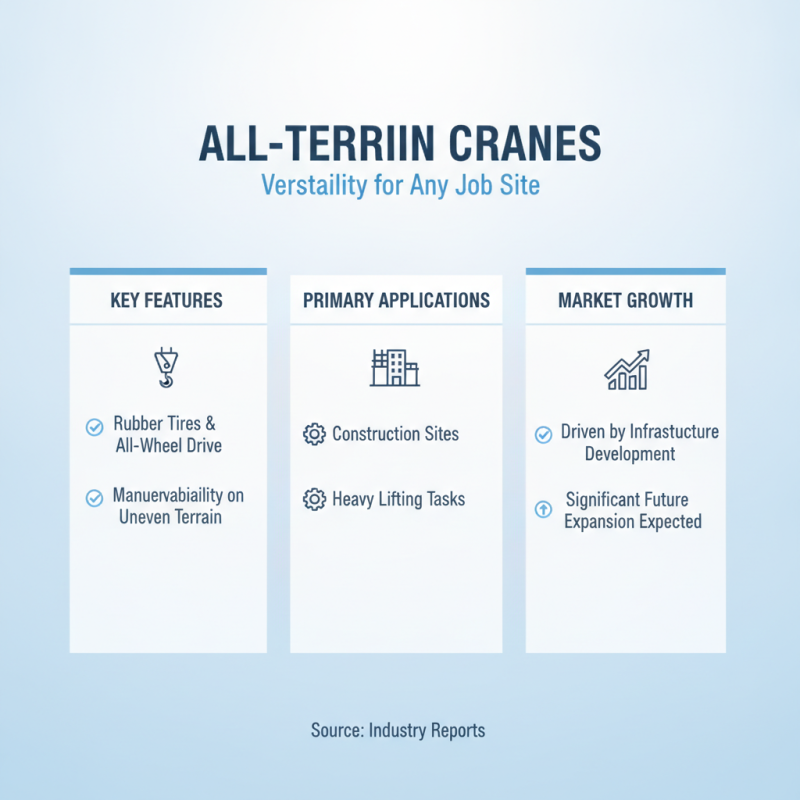
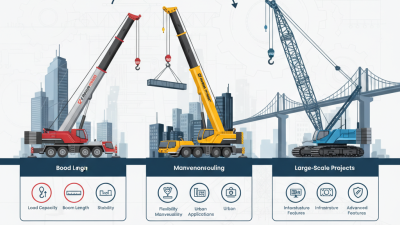
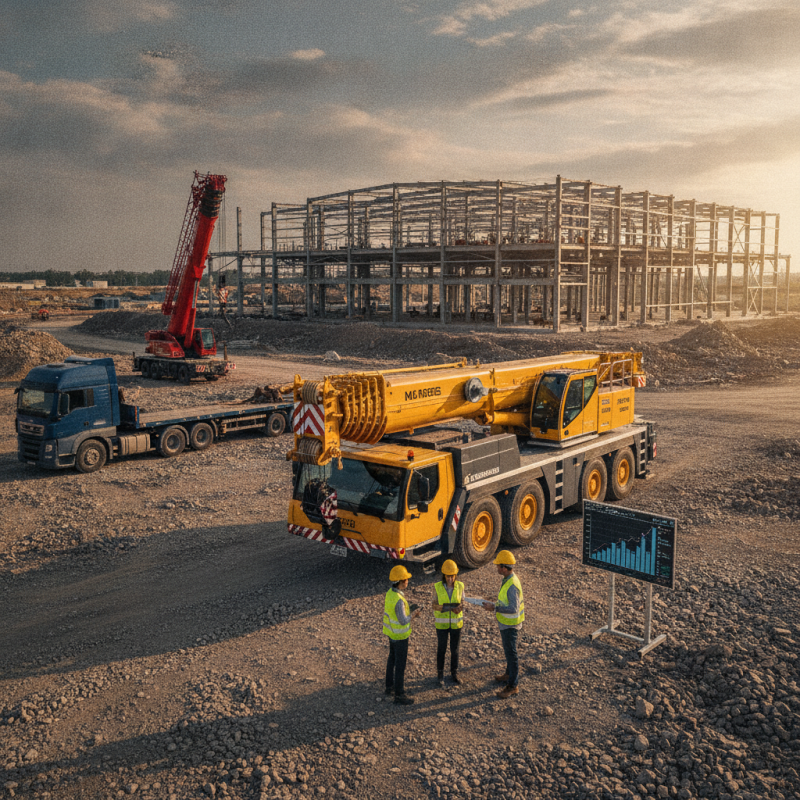
All-terrain cranes are versatile machines designed for various applications, from construction sites to heavy lifting tasks. They can maneuver on uneven terrain, making them ideal for outdoor projects. These cranes usually have a combination of rubber tires and all-wheel drive, ensuring stability across challenging surfaces. Industry reports indicate that the all-terrain crane market is expected to grow significantly in the coming years, driven by increased infrastructure development.
Different types of all-terrain cranes cater to specific needs. For instance, small cranes are excellent for urban construction, while larger models excel in heavy industrial environments. A study from the International Journal of Heavy Equipment indicates that 60% of all-terrain cranes are used in construction, emphasizing their importance in urban planning. The choice of crane can greatly impact project efficiency and safety.
Tips: Always consider the crane’s lifting capacity relative to your project requirements. Assess the terrain where the crane will operate as well. Regular maintenance is crucial for safety and performance. It’s also essential to evaluate operators’ expertise with all-terrain cranes, as improper handling can lead to accidents. Understand the specific needs of your project before making a decision; each crane type has its strengths and limitations.
Key Specifications and Features to Consider in All Terrain Cranes
When evaluating all terrain cranes, key specifications and features are crucial to ensure effective performance. Load capacity is one of the most important factors. Industry reports indicate that cranes with a capacity of over 100 tons are commonly needed for construction sites. This capacity allows for handling heavy materials efficiently.
Another significant feature is the maximum lifting height. Many projects require cranes capable of lifting items to elevations exceeding 200 feet. New technologies now enable cranes to achieve this without compromising stability. Additionally, the boom length is equally important. A longer boom allows cranes to reach objectives that are further away, providing versatility on job sites.
Mobility is also a critical aspect. All terrain cranes are designed to navigate rough terrains. High ground clearance and robust axle configurations contribute to this capability. Professional assessments suggest that examining the crane’s articulated steering and tire specifications can enhance site maneuverability. Lastly, consider the control systems. Advanced monitoring technologies improve safety and operational efficiency. Regular updates in features emphasize the importance of continuing education in crane operation, ensuring that users remain informed about best practices and safety protocols.
Evaluating Manufacturer Reputation and Industry Standards
When considering the purchase of an all-terrain crane, evaluating the manufacturer’s reputation is crucial.
A strong reputation often reflects years of reliable service and customer satisfaction. Look for manufacturers with
positive reviews and transparent business practices.
It can help you gauge their experience in the industry and their commitment to quality.
Tips: Research online for user testimonials. Check industry forums to see what others say. Understanding previous customer experiences can reveal potential concerns.
Industry standards play a significant role in the quality of cranes. Familiarize yourself with safety and performance standards in your region.
Companies that consistently adhere to these regulations demonstrate their commitment to excellence.
A lack of compliance could signal future problems or unsafe equipment.
Tips: Request documentation on compliance. Ensure the manufacturer provides certifications. This information can be essential in making an informed decision.
Finding the right all-terrain crane is a complex task. Balancing reputation and industry standards requires careful consideration. Take your time during this process to avoid future regrets.
Analyzing Cost Factors: Purchase Price vs. Total Ownership Costs
When considering the purchase of an all-terrain crane, buyers must evaluate both the initial purchase price and total ownership costs. While a lower purchase price may seem attractive, hidden costs can significantly impact the overall investment. Buyers should account for maintenance, repair, and operational expenses. Regular maintenance is crucial to ensure longevity and performance.
Fuel efficiency is another critical factor that can influence total costs. A crane that consumes less fuel may have a higher upfront cost but can lead to savings over time. Additionally, training costs for operators should not be overlooked. Adequate training reduces accidents and increases productivity.
It's essential to conduct a thorough cost analysis before making a decision. Understand potential downtime and its impact on your operations. Factors such as local market conditions and availability of parts may also play a role. Each choice involves weighing short-term gains against long-term sustainability. Be prepared to navigate uncertainties in ownership experiences.
Essential Safety and Compliance Regulations for All Terrain Cranes
When purchasing an all-terrain crane, understanding safety regulations is crucial. These regulations often vary by country, affecting operation and ownership. Buyers should familiarize themselves with local laws. This includes understanding load limits, operational safety protocols, and environmental impact considerations.
Compliance with safety standards helps prevent accidents and injuries. Each crane must adhere to specific guidelines, such as those related to operator training and maintenance checks. Regular inspections are vital for ensuring equipment reliability and safety. Failing to meet these regulations could result in severe penalties.
Beyond legal compliance, safety culture matters. Companies should prioritize thorough training for all personnel involved in crane operations. It’s important to evaluate whether existing practices align with evolving regulations. Buyers often overlook this aspect, but proper training cannot be underestimated. Reflecting on past incidents can offer valuable insights for current operations.
All Terrain Crane Buying Tips - Essential Safety and Compliance Regulations
| Aspect |
Regulation/Standard |
Description |
Importance |
| Load Capacity |
ISO 4305 |
Ensures the crane can safely lift specified loads. |
Prevents overload and accidents. |
| Stability Testing |
EN 13000 |
Tests crane stability during operation. |
Ensures safe operation on uneven ground. |
| Operator Certification |
OSHA Guidelines |
Requires certified operators to handle cranes. |
Reduces the risk of human error. |
| Maintenance Records |
ANSI/ASME B30.5 |
Documentation of regular maintenance performed. |
Ensures ongoing safety and compliance. |
| Environmental Compliance |
EPA Regulations |
Ensures the crane operation complies with environmental laws. |
Protects the environment and avoids legal issues. |