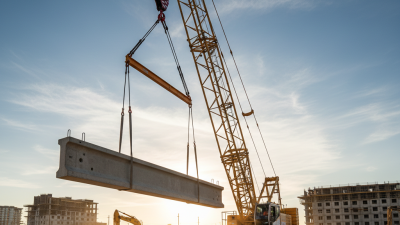
What is an All Terrain Crane and How to Choose the Best One?
An all terrain crane is a versatile and powerful machine. It operates on various surfaces, making it ideal for diverse job sites. These cranes can navigate rough terrain, from construction sites to rugged landscapes. Choosing the right all terrain crane requires understanding its features and capabilities.
When selecting an all terrain crane, consider load capacity and reach. The right crane should match your project demands. Assessing the terrain and job specifics will help you make a smart choice. It’s easy to overlook key details, such as fuel efficiency and maintenance needs.
Be aware that not every model fits every situation. Experience and practical knowledge play significant roles in this decision. Researching options thoroughly will enhance reliability. In the end, the right all terrain crane can significantly impact your project’s success. Make informed choices to avoid costly mistakes.
Definition and Overview of All Terrain Cranes
All Terrain Cranes are versatile lifting machines designed for a variety of terrains. Their unique feature is the ability to operate on both rough and smooth surfaces. With high load capacities and flexible mobility, they are suitable for construction and maintenance work in challenging environments. Operators can easily navigate heavy loads, making them essential for numerous projects.
When choosing an All Terrain Crane, consider several factors. Assess the maximum load capacity needed for your specific tasks. Evaluate the crane's reach and lift height to ensure it meets your project requirements. Additionally, inspect the crane's tires and suspension system. They directly impact stability and performance on uneven terrain.
Tips: Always review the crane’s maintenance history. A well-maintained crane is more reliable and safer to operate. Don't overlook operator training. Proper training improves safety and efficiency on the job site. Understand your terrain. Different surfaces may require special handling techniques, which could affect operational safety.
Key Features and Specifications of All Terrain Cranes
All Terrain Cranes are versatile machines suitable for diverse terrains. They combine features of both mobile and rough-terrain cranes, making them efficient in construction and logistics. Key specifications include lifting capacity, boom length, and overall dimensions. Typically, these cranes can lift between 40 to 1,000 tons, depending on the model. Many models offer telescopic booms, enhancing reach and flexibility on job sites.
When choosing an All Terrain Crane, consider factors like weight distribution and fuel efficiency. Heavy models may require more robust maintenance. Pay attention to the crane’s turning radius; smaller radii offer better maneuverability in tight spaces.
Tips: Always consult operational manuals for load charts. Assess terrain conditions before deployment to avoid unexpected challenges. Regular inspections can help identify wear and tear, which ensures safety and reliability during operation.
Factors to Consider When Choosing an All Terrain Crane
When selecting an all-terrain crane, several critical factors warrant attention. Key specifications, such as
load capacity, reach, and mobility,
must match your project's requirements. According to industry reports, all-terrain cranes usually have a load capacity ranging from 40 to 1,200 tons.
This range indicates the need for careful evaluation based on the types of jobs you expect to undertake.
Another essential consideration is the terrain type you will mostly encounter. Some cranes perform better on rough or uneven surfaces.
Research from the Crane Industry Council highlights that operators experience a 15% increase in efficiency when their equipment is suited for the job site conditions.
This efficiency can lead to reduced operational time and cost savings.
Finally, operator experience and training cannot be overlooked. A skilled operator can maximize the crane's capabilities and minimize accidents.
Interestingly, a significant percentage of crane incidents stem from operator error. Proper training and familiarization with the specific model can significantly mitigate risks associated with crane operations.
Top Brands and Models of All Terrain Cranes in the Market
When considering all terrain cranes, brand selection is crucial. Top manufacturers dominate the market, emphasizing quality and performance. A report by the Construction Equipment Research Group indicates that cranes from leading brands can handle rough terrains while maintaining stability. Performance metrics often highlight lifting capacities exceeding 1,000 tons and boom lengths reaching 300 feet. These specifications illustrate their versatility across various job sites.
Key models from reputable manufacturers typically feature advanced controls and superior hydraulic systems. Data shows that cranes with sophisticated hydraulic designs improve operational efficiency by nearly 20%. Notably, operators appreciate models offering intuitive interfaces, enhancing safety during complex maneuvers. However, the comparison between different models can be challenging, highlighting the importance of aligning equipment selection with specific project needs.
While research reveals many impressive models, it's vital to consider potential drawbacks. Some all terrain cranes may struggle in extreme weather conditions, affecting reliability. Operators often report maintenance challenges, especially with older models. It's essential to weigh these factors against the benefits when selecting the best all terrain crane for your operations.
Maintenance and Safety Tips for All Terrain Cranes
All Terrain Cranes require
regular maintenance
to ensure safety and efficiency. A daily checklist can be
beneficial. Operators should check fluid levels, tire conditions,
and the integrity of the crane's structure. It’s wise to inspect hydraulic systems
for leaks and proper functionality. Small issues may lead to bigger problems if overlooked.
Safety practices are vital when operating
All Terrain Cranes. Training should focus on safe operational techniques and emergency procedures.
Wearing personal protective equipment is non-negotiable.
Operators must understand job site specifics, including ground conditions and overhead hazards.
Unexpected situations can arise, leading to accidents. Regular drills can help prepare operators for such scenarios.
Continuous learning and adaptation are necessary in the field. There is always room for improvement in safety practices.
Crews should frequently discuss and reflect on experiences to enhance overall safety measures.