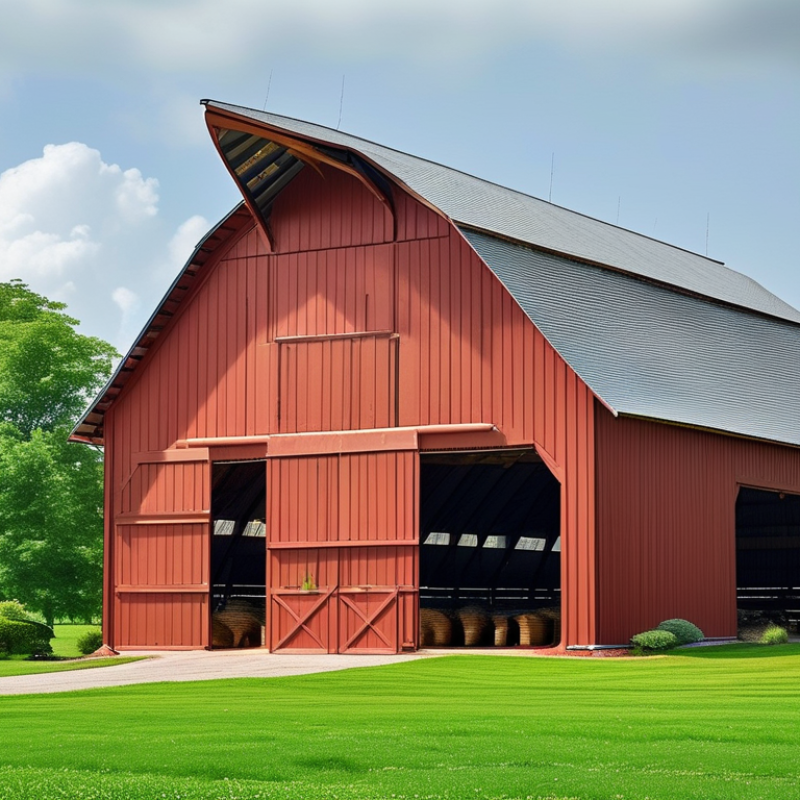
Top 10 Benefits of Steel Frame Barns for Global Buyers?
The modern agricultural landscape is evolving rapidly. A steel frame barn has emerged as a practical solution for farmers and buyers worldwide. These structures offer remarkable benefits that appeal to diverse needs.
Steel frame barns provide durability, weather resistance, and reduced maintenance costs. They can withstand harsh conditions, ensuring longevity and reliability. Unlike traditional wood barns, steel structures resist pests and rot, which can be a significant concern. This can save money in the long run, a factor that many overlook initially.
However, some buyers may be hesitant. Initial costs can be higher than timber options. Yet, when considering lifespan and maintenance savings, steel frame barns often outperform their wood counterparts. Reflecting on these aspects reveals that investing in steel frame barns can be a wise decision for those seeking sustainable and efficient farming solutions.
Top Benefits of Durability in Steel Frame Barns for Buyers
Steel frame barns offer significant advantages in durability, making them a wise investment for global buyers. Research shows that metal structures can withstand harsh weather conditions better than traditional wooden barns. For instance, steel can endure winds up to 150 miles per hour. This resilience translates to lower maintenance costs over time, as buyers spend less on repairs and replacements.
Additionally, steel is resistant to pests and decay. Unlike wood, steel does not rot or get infested by insects. A report from the American Institute of Steel Construction (AISC) highlights that steel frame buildings have a lifespan of over 50 years. This longevity presents sustainability benefits, reducing the need for frequent rebuilding.
However, not every buyer considers the initial cost. Steel frame barns can be more expensive upfront than wooden options. This price difference may deter some buyers. It’s crucial to analyze long-term benefits versus short-term costs. Durability plays a vital role in this decision, impacting overall value in the long run. Investing in a steel frame structure ensures a reliable shelter for livestock or equipment, promoting peace of mind amid unpredictable weather patterns.
Cost-Effectiveness: How Steel Frame Barns Save Money Long-Term
Steel frame barns are gaining popularity among global buyers for their long-term cost-effectiveness. These structures tend to be more durable than traditional wooden barns. According to industry data, steel buildings can last up to 50 years with minimal maintenance. In contrast, wooden structures often face issues like rot, termite damage, and warping, leading to increased costs over time. The initial investment in steel may be higher, but the longevity reduces the necessity for frequent repairs.
Additionally, steel frame barns are energy-efficient. They can incorporate insulation systems that keep barns cooler in summer and warmer in winter. Reports indicate that energy savings can reach 30% annually when compared to conventional barns. This efficiency translates directly into cost savings. Furthermore, the adaptability of steel structures means less waste during construction. A significant 90% of steel is recyclable, making it a sustainable option for eco-conscious buyers.
A challenge to consider is the upfront cost of materials and construction. Some may find steel frame barns less appealing due to initial expenses. Buyers need to weigh these costs against long-term benefits. While maintenance costs for wooden structures can accumulate over time, prospective owners must reflect on their specific needs. Ultimately, investing in a steel frame barn could prove more economical in the long run, emphasizing the importance of thorough research and planning.
Design Flexibility: Customization Options for Steel Frame Barns
Steel frame barns offer unparalleled design flexibility for global buyers. Customization options make these structures highly versatile. According to a recent report by the Metal Building Manufacturers Association, steel frame buildings can be uniquely tailored to suit various agricultural needs, ranging from livestock housing to equipment storage. Buyers can select specific dimensions, roof styles, and even interior layouts that best fit their operations.
One noteworthy aspect of customization is the ease of expanding or modifying the barn. Many steel frame barns can incorporate additional sections without major renovations. This flexibility is crucial for growing businesses as needs change. A study by the American Institute of Steel Construction highlighted that modifications can often be completed faster on steel structures compared to traditional materials, reducing downtime for farm operations.
However, it’s important to consider potential challenges. Custom designing may lead to cost overruns if not managed well. Additionally, aesthetic preferences might sometimes clash with structural efficiency. Buyers should carefully weigh their needs against budget constraints. In any design process, these reflections are essential to ensure a successful outcome that meets both functional and financial goals.
Top 10 Benefits of Steel Frame Barns for Global Buyers
| Benefit | Description | Customization Options |
| Durability | Steel frames resist weather and pests, ensuring longevity. | Options for coatings and finishes to enhance lifespan. |
| Design Flexibility | Can be easily designed to fit various needs. | Variety of sizes and layouts available. |
| Cost-Effectiveness | Lower maintenance costs over time compared to wood. | Options for pre-engineered kits to reduce labor costs. |
| Eco-Friendly | Made from recyclable materials. | Customizable to incorporate green technologies. |
| Safety | Steel is non-combustible, providing better fire resistance. | Custom features for safety enhancements like firewalls. |
| Versatility | Suitable for various agricultural and commercial uses. | Customizable interiors for different functional spaces. |
| Quick Assembly | Steel frames can be erected quickly. | Pre-fabricated components for expedited construction. |
| Aesthetic Appeal | Modern designs can enhance farm or property appearance. | Range of colors and finishes for personalized style. |
| Low Maintenance | Minimal upkeep required compared to traditional materials. | Custom features to reduce maintenance needs. |
| Investment Value | High resale value due to durability and utility. | Flexible designs that can meet future needs. |
Environmental Sustainability of Steel Frame Structures
Steel frame structures offer remarkable environmental benefits. They utilize recycled materials, reducing the demand for new resources. For example, a report from the World Steel Association indicates that recycled steel can reduce carbon emissions by nearly 58% compared to manufacturing from virgin materials. This reflects a significant commitment to sustainability.
Furthermore, steel frame barns are highly durable and require lower maintenance, reducing their long-term environmental impact. Studies show that steel buildings can last up to 50 years or more. This longevity means fewer resources are needed for replacements or repairs. However, the production of steel does have energy-intensive processes, which can pose challenges.
The efficiency of steel framing also encourages better energy management. Insulated steel structures can reduce heating and cooling costs by up to 40%. Despite ongoing advancements, there is still a need for improved energy reduction strategies in steel production. Overall, the balance between benefits and challenges highlights the importance of innovation in creating more sustainable steel framing options for the future.
Enhanced Safety Features of Steel Frame Barns for Global Markets
Steel frame barns are increasingly recognized for their enhanced safety features in various global markets. These structures offer superior resilience against harsh weather conditions, such as strong winds and heavy snow. They are built to withstand natural disasters better than traditional materials. As a result, property owners can feel secure knowing their investments are well-protected.
Fire resistance is another significant advantage. Steel does not ignite easily, which reduces the risk of fire spreading within the barn. This feature is crucial for those storing flammable materials or livestock. Additionally, steel frame barns can be designed with increased structural integrity, minimizing the chances of collapse. This elevates safety for both humans and animals.
However, there are challenges to consider. The initial costs can be higher compared to wood frame barns, which may deter some buyers. Furthermore, moisture management needs special attention. Steel can rust if not properly maintained. Owners must invest time and resources into regular inspections and maintenance. Despite these challenges, the safety features often outweigh the drawbacks for many global buyers.