Best Steel Plant Crane Options for Your Manufacturing Needs?
In the dynamic landscape of steel manufacturing, the role of an efficient steel plant crane cannot be overstated. Industry reports indicate that well-chosen cranes can improve productivity by as much as 25%. Selecting the right crane is essential for maximizing operational efficiency and ensuring safety in heavy material handling.
With the current demand for steel projected to grow by 3% annually, the need for reliable lifting equipment is pressing. Steel plant cranes are engineered to minimize downtime and enhance workflow. They play a crucial role in moving steel beams and coils, impacting the overall production cycle.
However, not all steel plant crane options are equal. Evaluating specifications, load capacities, and maintenance requirements is complex yet necessary. Some manufacturers may overlook these details, leading to costly inefficiencies. A crane that won't meet your needs can hinder progress and safety. Choosing wisely is paramount for both current operations and future growth.
Overview of Steel Plant Cranes and Their Applications
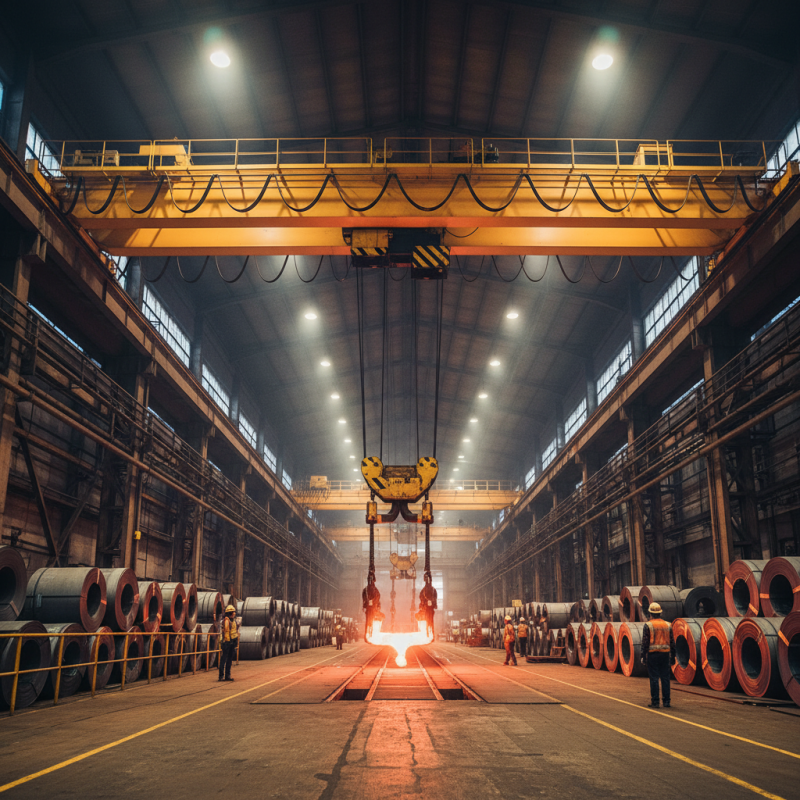
Steel plant cranes are vital in managing heavy loads and materials. These cranes streamline operations, increasing efficiency and productivity. Companies often rely on them to move steel slabs, coils, and finished goods throughout the manufacturing process. The choice of crane can significantly impact workflow.
Several types of cranes serve steel plants. Bridge cranes, for example, traverse a fixed path overhead. They can lift thousands of pounds, making them ideal for heavy-duty tasks. Gantry cranes, on the other hand, offer a more versatile option. Their mobility allows them to handle loads in various locations. Understanding the specific needs of a plant is crucial.
Safety is another critical area to consider. Steel plant operations involve high risks. Cranes must be operated correctly to avoid accidents. Regular maintenance and inspections help ensure reliability. However, operators sometimes overlook training. This gap can lead to mistakes that put workers at risk. Investing in proper training can mitigate these issues.
Best Steel Plant Crane Options for Your Manufacturing Needs
| Crane Type |
Load Capacity (Tons) |
Span (Meters) |
Lift Height (Meters) |
Application |
| Bridge Crane |
20 |
25 |
10 |
Material Handling |
| Gantry Crane |
15 |
30 |
8 |
Outdoor Materials Storage |
| Jib Crane |
5 |
6 |
4 |
Assembly and Maintenance |
| Overhead Crane |
25 |
20 |
12 |
Steel Fabrication |
| Stacker Crane |
10 |
15 |
10 |
Automated Storage |
Key Factors to Consider When Choosing a Steel Plant Crane
Choosing the right steel plant crane involves several key factors. Weight capacity is crucial; it must meet your heaviest load requirements. Cranes that can handle loads far beyond your maximum needs might be unnecessary, leading to extra costs. Consider the height and reach as well. Ensuring the crane fits your facility’s layout is vital for efficiency.
Durability is another important element. Cranes in steel mills face harsh environments. High-quality materials will withstand the demanding conditions, ensuring a longer lifespan. However, finding a balance between durability and cost is challenging. Sometimes, lower-priced options seem appealing but can lead to more repairs over time.
Safety features must not be overlooked. These can significantly impact operations and worker safety. Automatic braking systems, overload switches, and emergency stop buttons are essential. Lack of these features might save money upfront but can lead to serious accidents. Reflecting on your facility's unique needs will help guide your decision.
Best Steel Plant Crane Options for Your Manufacturing Needs
This chart illustrates the key factors to consider when choosing a steel plant crane, showcasing dimensions like capacity, height, span, speed, and cost. Selecting the right crane is crucial for maximizing efficiency in manufacturing processes.
Types of Cranes Suitable for Steel Manufacturing Facilities
In steel manufacturing, choosing the right crane is crucial.
Overhead cranes are common in this industry.
They provide excellent lifting capacity. These cranes can move heavy steel plates and beams efficiently.
However, selecting the right model requires careful consideration. Factors like load weight,
span, and type of materials play a vital role.
Jib cranes are another option. They offer flexibility in tight spaces.
These cranes are perfect for loading and unloading smaller items. Their design allows for quick maneuverability.
However, they have limitations in lifting capacity. Understanding these limitations is essential for optimized operations.
Mobile cranes also find a place in steel facilities.
They can transport materials across the site quickly. Yet, their stability can be a concern, especially on uneven surfaces.
Operators must assess the ground conditions before use. Reliability is key in steel manufacturing,
so thoughtful selection of crane types is necessary.
Safety Features and Regulations for Steel Plant Cranes
When selecting steel plant cranes, safety features are paramount. Cranes must comply with stringent regulations to ensure smooth operations. Operators often overlook the significance of maintenance checks. Regular inspections help identify wear and tear, ultimately safeguarding your workforce.
One critical safety feature is the weight limit indicator. This system alerts operators when loads approach maximum capacity, preventing accidents. Another essential feature is the emergency stop button, crucial in urgent situations. It’s vital to train your staff on these features to enhance overall safety.
Tips for enhancing safety include conducting daily pre-operation checks and fostering a culture of safety awareness. Encourage workers to voice concerns about equipment. A proactive approach can lead to a safer working environment. Always document incidents and inspections. This practice improves accountability and highlights areas needing attention. Remember, safety is an ongoing commitment.
Maintenance Best Practices for Optimal Crane Performance
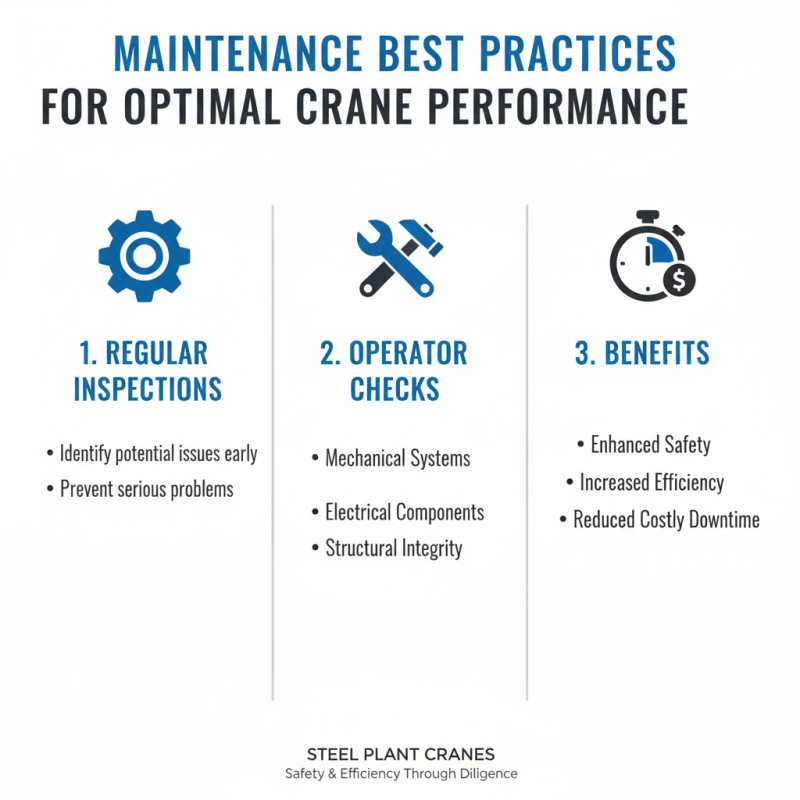
Proper maintenance of steel plant cranes is crucial for safety and efficiency. Regular inspections play a vital role in identifying potential issues before they become serious problems. Operators should check mechanical systems, electrical components, and structural integrity. This step may seem tedious, but neglecting it can lead to costly downtime.
Another key practice is scheduling routine lubrication of moving parts. Greasing joints and bearings reduces friction and wear. It’s a small task that can enhance crane performance significantly. Operators often overlook it during busy periods. Yet, it’s essential to prevent mechanical failure.
Training for staff is equally important. They should understand how to operate the cranes correctly and recognize early signs of wear. However, many overlook ongoing education once they’re trained. Consistent learning prevents mistakes that can disrupt operations. Engaging staff in maintenance discussions can also foster a culture of safety and awareness.