How to Choose the Best Hydraulic Crane for Your Business?
Choosing the right hydraulic crane is crucial for any business in the construction or logistics industries. Expert John Stevens, a renowned hydraulic crane specialist, once said, “Selecting the right crane can dramatically improve efficiency and safety.” With numerous models and specifications available, making an informed decision is vital.
Hydraulic cranes offer remarkable lifting capabilities, but not all are suited to every task. Understanding your specific needs is essential. Factors include load capacity, reach, and the environment in which the crane will operate. A mismatched hydraulic crane can lead to operational challenges, safety risks, and increased costs.
Furthermore, it is important to consider maintenance requirements and support services from manufacturers. Investing in a crane without assessing these factors may lead to regrets down the line. Evaluating options carefully can prevent mistakes that impact your business's effectiveness in the long run. Your choice of hydraulic crane should enhance your operations, not complicate them.
Identifying Your Business Needs for a Hydraulic Crane
When choosing a hydraulic crane, understanding your business needs is crucial. Consider the type of lifting tasks you regularly perform. Are you moving heavy equipment or materials? The weight capacity of the crane must align with your heaviest loads. For instance, a crane that lifts 10 tons may not suffice for jobs exceeding this limit, leading to delays or safety hazards.
Evaluate the space where the crane will operate. Does your facility have limited room? Compact cranes or those with a smaller turning radius might suit such environments. Accessibility also matters. Can the crane fit through doorways or work in tight spots? Each element plays a role in how effectively the crane will function in your operational context.
Reflect on the operational frequency of the crane. A crane used daily may require more robust features than one deployed sporadically. Maintenance needs should also be a consideration. Complex cranes may offer great capabilities but could demand extensive upkeep. Balancing power and practicality can help in making a sound decision.
Understanding Different Types of Hydraulic Cranes Available
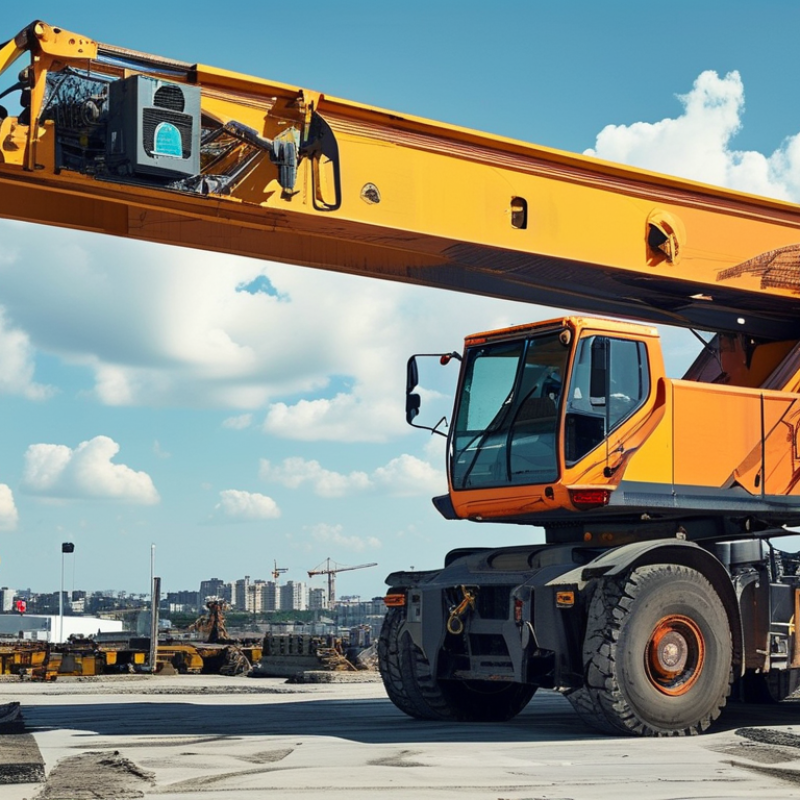
When selecting a hydraulic crane for your business, understanding the different types available is essential. Hydraulic cranes can be categorized into several types, each designed for specific tasks. For instance, truck-mounted cranes are versatile and can be easily transported to various job sites. They are suitable for construction and maintenance applications. On the other hand, crawler cranes offer excellent stability and lifting capacity, making them ideal for heavy-duty tasks.
Additionally, mobile hydraulic cranes provide flexibility and quick setup. These cranes are perfect for dynamic environments where space and time are limited. However, they often have limitations in lifting height and capacity compared to their larger counterparts. It's crucial to evaluate the specific requirements of your projects before deciding.
Keep in mind that each type has its trade-offs. For example, while crawler cranes are robust, they may require more space and time to set up. Spotting these nuances is vital. A thorough assessment of your business needs, job locations, and potential challenges can guide you in making an informed choice.
Evaluating Load Capacity and Range for Your Specific Applications
When evaluating a hydraulic crane, load capacity is crucial. It determines what weight the crane can lift safely. Understand your specific applications and requirements before making a decision. Different projects may require varying capacities. For instance, a construction site may frequently handle heavy beams, while an event setup could require lighter lifts. Calculate the maximum weight you expect to lift to find the right model.
Range is another key factor. It impacts how far the crane can reach while lifting. A crane with a limited range may not suffice for large projects. Assess the height and distance needed for your operations. Sometimes, lifting requirements change as projects evolve. Reflect on your past projects to ensure you're choosing a crane that meets future demands.
It's also important to consider the crane's stability. How does it perform under different conditions? A crane may have high load capacity on paper, but its real-world effectiveness can differ. Do you often work on uneven ground? How about wind and weather factors? Understanding these elements can prevent unsafe situations. Rethink your past experiences to improve future crane selections.
How to Choose the Best Hydraulic Crane for Your Business? - Evaluating Load Capacity and Range for Your Specific Applications
| Model |
Load Capacity (tons) |
Max Working Radius (meters) |
Height (meters) |
Weight (kg) |
Power Type |
| HC-500 |
50 |
30 |
22 |
12000 |
Diesel |
| HC-400 |
40 |
28 |
20 |
10500 |
Electric |
| HC-600 |
60 |
35 |
25 |
15000 |
Diesel |
| HC-300 |
30 |
25 |
18 |
9000 |
Electric |
Considering Mobility and Stability Factors in Crane Selection
When selecting a hydraulic crane for your business, mobility and stability are crucial factors. According to industry reports, cranes that are easily transportable can significantly reduce operational downtime. A mobile crane can access diverse work sites, improving efficiency. However, a trade-off exists; increased mobility may reduce overall stability, especially on uneven ground. Assessing the terrain where the crane will operate helps determine the right balance.
Consider the weight and span of the loads you will lift. A crane's stability depends on its ability to distribute weight evenly. For example, cranes with a wide base and lower center of gravity typically offer better stability. Research from the Crane Safety Institute shows that cranes with support outriggers can enhance stability without sacrificing mobility. This design allows for more versatile operational capabilities.
Tips: Always inspect the crane's load chart. It provides essential data on load capacity at various boom angles. Engage with experienced operators for insight into specific mobilization strategies. Evaluate weather conditions, as high winds can affect crane stability. Regular maintenance checks can also mitigate operational risks, ensuring safe and reliable crane performance.
Budgeting and Cost Considerations for Purchasing a Hydraulic Crane
When purchasing a hydraulic crane, budgeting is essential. The upfront cost is just one part of the equation. Consider additional expenses such as maintenance, fuel, and insurance. These costs can add up over time, and neglecting them can impact your financial health. Evaluate how often the crane will be used and how it fits into your current workflow.
Assessing your budget also means comparing prices and features. While lower prices can be tempting, they may not always offer the best value. Analyze the specifications that matter to your business. Factors like lifting capacity and reach can greatly influence effectiveness. Gathering quotes from multiple sources can highlight discrepancies in pricing and service.
Finally, it’s wise to consult industry experts or peers who have hands-on experience. They can offer practical insights that are often overlooked in sales pitches. User experiences can help you avoid potential pitfalls. It’s also important to review your long-term financial strategy. Investing in the right crane should align with your overall business goals and not lead to financial strain.