Why Choose the Best Screw Unloader for Your Operations?
In today’s industrial landscape, efficiency is key. The choice of equipment influences productivity significantly. When it comes to material handling, a Screw Unloader stands out. This device enables seamless transfer of bulk materials, enhancing operational flow.
Selecting the best Screw Unloader can seem overwhelming. Many options flood the market, each claiming superiority. However, the effectiveness of each unit varies. Factors like design, capacity, and maintenance are crucial. Reliable equipment saves time and reduces costs. Unloaders that underperform can lead to frustrating delays.
Expert insight reveals that the right Screw Unloader can transform operations. Investing in quality ensures durability and fewer breakdowns. Reflecting on past experiences, some users may have encountered challenges with inadequate models. Careful evaluation of features is essential for optimal performance. Embracing the right technology leads to better outcomes.
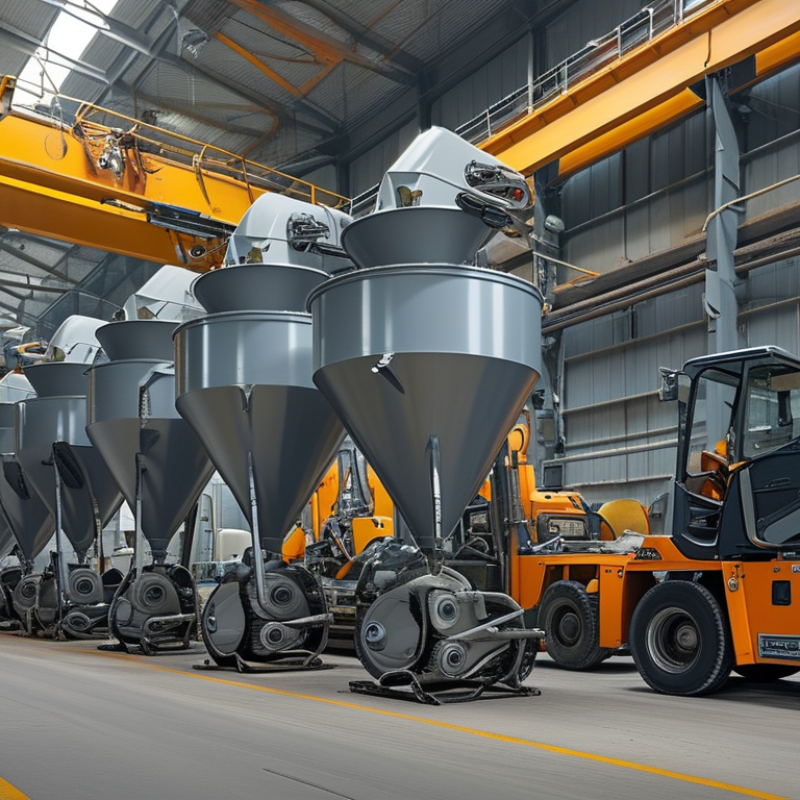
Understanding the Functionality of Screw Unloaders in Operations
Screw unloaders play a vital role in various industrial operations. They facilitate the efficient transfer of bulk materials from silos or containers to processing equipment. Each component of a screw unloader is designed to optimize flow and minimize material degradation. This functionality ensures that operations run smoothly, with less downtime.
In terms of design, screw unloaders come in various configurations. They can accommodate different types of materials, from granules to powders. However, not all unloaders handle every material effectively. Operators may find that certain unloaders struggle with specific bulk densities or flow characteristics. Understanding these nuances is key to enhancing operational efficiency.
Installation and maintenance issues arise, highlighting the importance of proper training. Staff must learn to recognize signs of wear in the system. Preventive measures can prolong the life of the equipment, but problems often go unnoticed until it's too late. Regular monitoring is crucial for maximizing performance and reducing unplanned outages. A well-maintained screw unloader can lead to improved productivity and cost savings.
Key Advantages of Using High-Quality Screw Unloaders
When looking to optimize your operations, investing in a high-quality screw unloader can make a significant difference. These machines enhance efficiency and reduce downtime, allowing for smoother material handling. Their robust design enables the transportation of various bulk materials effectively, making them suitable for diverse applications.
One key advantage is the precision in unloading. This accuracy minimizes waste and ensures that the right amount of material is delivered each time. It leads to better cost management and resource allocation. High-quality screw unloaders also have a longer lifespan. Investing in durability means fewer replacements and lower maintenance costs over time.
Tips to consider: Always assess the operational needs before purchasing. Understand the material characteristics you will be handling. Conduct regular maintenance checks to ensure optimal performance. Flaws can appear in any machine, and addressing them promptly can prevent bigger issues down the line. Select control systems that provide feedback for real-time adjustments. This proactive approach can enhance productivity in unforeseen circumstances.
Factors to Consider When Selecting a Screw Unloader
When selecting a screw unloader, there are key factors to consider. Start with the material being handled. The properties of the material can affect the unloader's efficiency. A screw unloader suitable for fine powders may not work well with larger granules. Understanding the compatibility can prevent operational issues and ensure smooth processing.
Next, assess the capacity requirements. Think about the volume of material that needs to be unloaded regularly. An under-capacity unloader can lead to bottlenecks. Oversized models can become uneconomical. Balancing capacity with actual needs will save time and money in the long run.
Consider the ease of maintenance as well. A complex unloader can increase downtime for repairs and cleaning. Simple designs may allow quicker access for service. However, don’t overlook advanced features that enhance performance. Misjudging the right balance can lead to inefficiencies. Each operational context is unique, and careful evaluation is critical to achieving optimal performance.
Why Choose the Best Screw Unloader for Your Operations?
Comparative Analysis of Screw Unloaders vs. Other Unloading Systems
When evaluating unloading systems, screw unloaders stand out for their efficiency and versatility. In comparison to pneumatic or gravity unloaders, screw unloaders often deliver materials with reduced spillage and minimal energy consumption. A 2021 report from the Bulk Handling Equipment Association indicates that screw unloaders can achieve up to 90% operational efficiency in handling bulk solids.
Screw unloaders utilize a continuous helix, allowing for a steady flow of materials. This design is particularly beneficial for handling viscous or cohesive materials where other systems may struggle. Studies show that screw unloaders typically have a lower maintenance frequency, with average downtime reduced by 30% compared to traditional systems. However, factors like improper sizing and inadequate installation can hinder performance.
Tips: Always assess the specific characteristics of your materials. Understand flow properties to optimize your choice of unloader. Regular maintenance and inspections can significantly extend the lifespan of your equipment, ensuring consistent productivity.
Maintenance Tips for Maximizing Screw Unloader Performance
Maintaining a screw unloader is crucial for its optimal performance. Regular checks on the motor and gears can prevent unnecessary downtime. Dust and debris accumulation can lead to failures. Cleaning the components weekly keeps the system efficient.
Lubrication also plays a key role. Use the recommended grease to ensure smooth operation. Over-lubrication can attract dirt, while under-lubrication can cause wear. Monitoring lubricant levels and replacing them as needed keeps everything running well.
Calibration ensures that the unloader operates within optimal parameters. Improper adjustments can result in reduced performance. Take time to review the machine's settings periodically. This proactive approach can help avoid larger issues down the line. Regular training for operators can also contribute to better outcomes. Engaging with staff about maintenance fosters a culture of care and responsibility.
Why Choose the Best Screw Unloader for Your Operations? - Maintenance Tips for Maximizing Screw Unloader Performance
| Dimension | Value | Importance |
| Screw Diameter (mm) | 50 | Critical for material flow rate |
| Max Load Capacity (kg) | 300 | Determines throughput capability |
| Power Consumption (kW) | 5 | Affects operational costs |
| Operating Temperature (°C) | 180 | Material compatibility |
| Maintenance Frequency (weeks) | 4 | Ensures consistent performance |
| Material Compatibility | Polymer, Metal | Prevents damage to the unloader |