How to Choose the Best Artificial Lift Technologies for Oil Wells?
Choosing the right Artificial Lift Technologies is crucial for optimizing oil wells. According to recent industry reports, around 75% of the world's oil production utilizes some form of artificial lift. This accounts for more than 15 million barrels per day. Various technologies exist, each with its strengths and weaknesses.
Many operators face dilemmas when selecting the best methods. For instance, Electric Submersible Pumps (ESPs) are efficient but costly to maintain. Gas Lift, on the other hand, is cheaper but may underperform in certain conditions. Operators must consider factors like well depth, flow rates, and production goals. Mistakes in selection can lead to significant financial losses.
The future of oil production may hinge on advancements in Artificial Lift Technologies. New techniques continue to emerge, yet operators must remain vigilant. Understanding the complexities of each option is vital. A hasty choice could mean the difference between success and failure in a field. Thus, careful analysis and planning are essential for sustainable production.
Understanding Artificial Lift Technologies in Oil Extraction
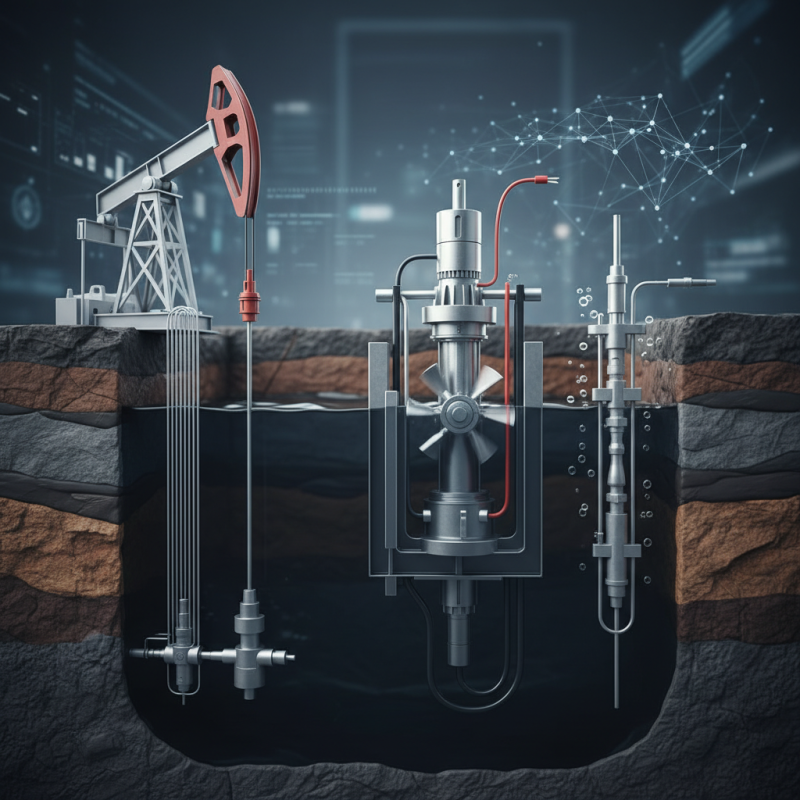
Artificial lift technologies play a critical role in the oil extraction process. They boost production when reservoir pressure declines. Common types include electric submersible pumps (ESPs), beam pumps, and gas lift systems. Each has its own set of advantages and challenges. For instance, ESPs are efficient but can be costly to maintain. Reports indicate that around 80% of oil wells use some form of artificial lift, showcasing its importance.
One vital aspect to consider is the well's depth and production levels. A report from the Society of Petroleum Engineers highlights that wells over 5,000 feet often prefer hydraulic lift methods. However, not all technologies suit every well. Many operators struggle with choosing the right technology. It's essential to analyze production data continuously. Poor decisions can lead to decreased output and increased operational costs.
Moreover, the maintenance of these systems requires attention. Unchecked failures can lead to significant downtime. Inadequate monitoring reveals flaws in technology. Some reports suggest that operators can improve recovery rates by up to 30% with regular maintenance and proper technology selection. Being informed leads to better choices, but the complexity of each system poses risks.
Key Factors to Consider When Choosing Artificial Lift Solutions
Choosing the right artificial lift technology for oil wells is crucial. Several factors impact this decision. Key considerations include the depth of the well, fluid characteristics, and production rates. The American Petroleum Institute reports that around 70% of oil wells require artificial lift. Thus, making an informed selection is essential.
Tip: Evaluate well performance data. Understand your well’s production profile. It helps determine the most suitable lifting method. For example, gas lift works well in lower-pressure wells, while electric submersible pumps (ESPs) excel in high-volume applications.
Another factor is energy efficiency. Reports show that Artificial Lift Systems can account for up to20% of total energy usage in oil production. Choosing a more efficient system can lead to significant cost savings. Review operational costs and maintenance needs. The wrong choice can lead to frequent breakdowns, impacting output.
Tip: Consider the total cost of ownership, not just the initial investment. Analyze long-term benefits versus short-term savings. A poor decision could result in unnecessary expenses and operational delays. Continuous assessment of well conditions is vital for optimal performance.
Comparison of Different Artificial Lift Methods and Their Applications
When selecting artificial lift technologies for oil wells, understanding the different methods is crucial. Each method offers unique advantages and challenges. For example, electrical submersible pumps (ESPs) are widely used. They provide high efficiency and handle large volumes of fluid. However, they require significant electrical power, which can limit their application in remote areas.
Another method is gas lift, which uses gas to reduce fluid density. This technique is effective in wells with high gas and low liquid production rates. While gas lift can be economical, its dependency on gas availability can pose issues. It may not be suitable for all oil reservoirs, highlighting the need for careful evaluation.
Finally, rod pumps are common in traditional oil fields. They are simple and reliable but may not perform well in deeper wells. These pumps can struggle with high viscosity fluids. Each method needs tailored assessment. Factors such as depth, fluid type, and production goals significantly impact the choice of technology.
Choosing the right artificial lift tech is more than a science; it's about finding balance and compatibility.
Assessing Well Performance and Reservoir Conditions for Lift Selection
Selecting the right artificial lift technology for oil wells is essential. The choice can significantly impact production rates and overall economics. Assessing well performance is a critical step in making this decision. Understanding the current production levels, fluid characteristics, and reservoir pressure can refine the selection process.
Reservoir conditions play a pivotal role. For example, is the reservoir under pressure? Are there heavy oils involved? These factors influence lift requirements. A well with high gas-to-oil ratios requires different methods compared to one producing heavier crudes. Analyzing these details can reveal mismatches in lift technologies that might initially seem optimal.
In some cases, the well's performance may struggle under certain lift methods. Operators must be willing to experiment and adapt. Perhaps the chosen method does not deliver the expected results. This reality calls for frequent reassessments. It is vital to remain flexible, learning from both successes and failures in lift technology applications.
How to Choose the Best Artificial Lift Technologies for Oil Wells?
| Artificial Lift Technology | Well Performance Indicators | Reservoir Conditions | Recommended Application |
| Electrical Submersible Pumps (ESP) | High flow rate, stabilized production | Liquid-rich, high-pressure reservoirs | Deep wells with declining pressure |
| Rod Lift | Moderate flow rates, cyclic production | Low to moderate-pressure reservoirs | Shallow to medium-depth wells |
| Gas Lift | Variable flow rate, efficient gas usage | Gassy reservoirs with low viscosity | Wells with gas availability |
| Progressing Cavity Pumps (PCP) | Consistent flow rates, low viscosity | High-viscosity or heavy oil reservoirs | Heavy oil production |
| Plunger Lift | Intermittent flow, low maintenance | Gas lift and condensate wells | Wells with fluctuating production |
Economic Evaluation of Artificial Lift Technologies for Oil Wells
Artificial lift technologies play a crucial role in optimizing oil well productivity. Each technology comes with distinct economic implications. The right choice can significantly influence extraction costs and overall efficiency. Industry reports indicate that implementing effective artificial lift systems can enhance oil recovery rates by up to 30%. However, the selection process is multifaceted and can sometimes lead to unexpected outcomes.
Here are a few tips for evaluating the economic viability of artificial lift technologies. First, analyze the initial investment against projected output increases. A common mistake is overlooking long-term maintenance costs. Research shows that improper management of these costs can lead to budget overruns by as much as 25%. Secondly, consider the geological characteristics of the oil field. Each field presents different challenges that may require unique solutions, which could affect profitability.
It's essential to reflect on the real-world performance of these technologies. Reports indicate a discrepancy between projected and actual performance. Many operators must reassess their choices based on field data and performance metrics. Continuous monitoring and adaptation can lead to better economic outcomes and enhanced operational efficiency.
Economic Evaluation of Artificial Lift Technologies for Oil Wells