2026 How to Choose the Best Truck Mounted Crane for Your Needs?
Choosing the right truck mounted crane is crucial for various industries. An expert in the field, John Stevens, states, "Selecting the right truck mounted crane can make or break a project." His words highlight the importance of understanding your specific needs.
A truck mounted crane provides mobility and versatility for heavy lifting tasks. They are widely used in construction, logistics, and even emergency services. However, making the wrong choice can lead to inefficiencies and safety concerns. It’s essential to evaluate payload capacity, reach, and operational environment carefully.
In the search for the perfect crane, consider your operational demands and the terrain you'll be navigating. A truck mounted crane might seem straightforward, but the multitude of options can be overwhelming. Take time to reflect on your project requirements before deciding. Knowing what you need is half the battle.
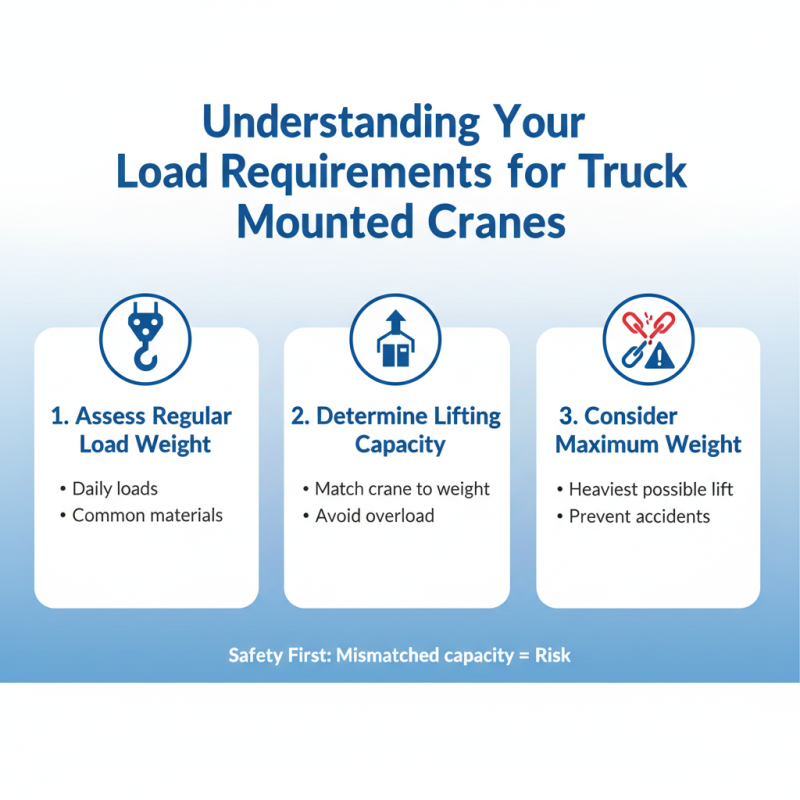
Understanding Your Load Requirements for Truck Mounted Cranes
When choosing the right truck mounted crane, understanding your load requirements is essential. Start by assessing the weight of your regular loads. This will help you identify the lifting capacity you need. Think about the maximum weight you might lift. Mismatched capacity could lead to accidents.
Next, consider the size and type of loads. Are they bulky or awkwardly shaped? This aspect influences your crane's configuration. Some cranes excel at lifting heavy but compact loads, while others handle larger, lighter items better. Reflect on the frequently used attachments as well. They play a critical role in effective lifting.
Think about the environment too. Will you operate in tight spaces? Or will it be open fields? Your crane needs to maneuver well in these areas. Pay attention to height and reach requirements as well. Not all tasks require the same capabilities. Each project's specifics should guide your choice, ensuring you make an informed, reliable decision.
Evaluating Crane Specifications and Capabilities
When evaluating crane specifications, capacity is a key factor. Most truck-mounted cranes have capacities ranging from 5 to 30 tons. This variation caters to diverse operational needs. For instance, a vehicle equipped with a crane rated at 15 tons is ideal for construction projects that require moderate lifting power. However, a more robust model might be necessary for heavy-duty applications like industrial maintenance or oil field operations.
Reach and load charts are equally important. The maximum height typically varies from 40 to 100 feet depending on the model. Operators must analyze job site requirements carefully. A crane with limited horizontal reach may struggle in open spaces, leading to inefficiencies. Additionally, truck stability is affected by load placement. Research shows that improper load management leads to accidents in 20% of crane operations.
Furthermore, features such as rotation angles and speed should not be overlooked. A crane that rotates 360 degrees offers flexibility for various tasks. However, high-speed models can compromise precision. Identifying the right balance between speed and control is crucial for safe operation. Understanding these specifications helps in making an informed choice that aligns with specific project demands.
Comparison of Lift Capacity for Truck Mounted Cranes
Considering Truck Compatibility and Stability Factors
When selecting a truck mounted crane, compatibility is essential. The truck’s weight capacity and engine power must align with the crane’s requirements. A crane that exceeds the truck's limits can lead to serious safety concerns. Ensure that the truck’s chassis can support the crane's configuration. This includes checking the axle load distribution. An improperly balanced setup can cause tipping during operations.
Stability is another crucial factor. Look for cranes with a solid base and effective stabilization systems. The type of terrain where you’ll operate also impacts stability. Soft or uneven ground demands cranes with enhanced stabilizing features. A crane that performs well on asphalt might struggle on gravel. Regular assessments of both truck and crane performance are necessary. This helps identify potential issues before they affect safety.
Choosing a truck mounted crane isn’t just about lifting capacity. It's a blend of technical specifications and practical application. Consider the crane's reach and functionality. Opt for a model that fits your specific operational needs. Look for feedback from other users. Their experiences can offer valuable insights. It’s essential to reflect on your project requirements while evaluating options.
Examining Safety Features and Compliance Standards
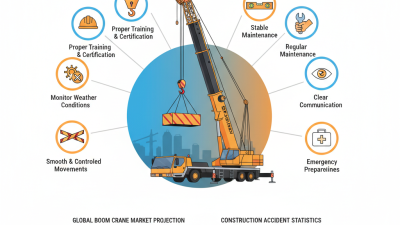
When selecting a truck-mounted crane, safety features should be a top priority. The Occupational Safety and Health Administration (OSHA) emphasizes the importance of complying with established safety standards. Cranes must meet compliance criteria to ensure safe operations. Critical features like load moment indicators and anti-two block systems are essential. These technologies help prevent accidents while lifting heavy loads.
According to a recent report by the Crane Manufacturers Association of America, nearly 50% of crane accidents occur due to operator error or equipment failure. Ensuring that your crane is equipped with state-of-the-art safety features is crucial. A well-designed truck-mounted crane boosts operator confidence and reduces risks on-site. Regular inspections and maintenance, along with advanced safety technologies, can prevent many incidents.
Moreover, training plays a vital role in safety compliance. Operators must understand how to use safety features effectively. A crane with robust safety mechanisms is only as effective as the knowledge behind its operation. Failure to prioritize proper training can lead to dangerous situations, impacting not just the operator but the entire worksite. Decisions around equipment should always consider how they enhance safety and compliance.
2026 How to Choose the Best Truck Mounted Crane for Your Needs? - Examining Safety Features and Compliance Standards
| Feature |
Description |
Compliance Standard |
Safety Rating |
| Load Capacity |
Maximum weight the crane can lift |
ASME B30.5 |
4/5 |
| Stability Features |
Wholly supported base and outriggers |
OSHA Regulations |
5/5 |
| Operator Controls |
User-friendly interface for ease of operation |
ISO 9001 |
4/5 |
| Safety Systems |
Emergency shut-off, alarms, and overload protection |
CEC/CSA standards |
5/5 |
| Inspection Features |
Easy access for regular maintenance and checks |
ANSI standards |
4/5 |
| Weight |
Total weight of the crane affects fuel efficiency and transport |
N/A |
3/5 |
Assessing Budget and Maintenance Costs for Your Crane Options
When selecting a truck-mounted crane, budget and maintenance costs are critical factors. Industry reports indicate that operational costs can exceed $25,000 annually for maintenance alone. Understanding these expenses can prevent budget overruns. A clear assessment allows businesses to align their financial plans with their crane options.
Consider the initial purchase price in relation to anticipated maintenance costs. For example, a crane costing $150,000 might require about 15% of its value annually for upkeep. This includes regular inspections, parts replacement, and unforeseen repairs. Poor maintenance can lead to more significant issues, increasing costs even further.
Many operators overlook downtimes caused by equipment failures. Industry statistics reveal that unplanned downtime can cost companies upwards of $1,500 per hour. Thus, investing in reliable equipment can mitigate these risks. It's important to evaluate warranties and service agreements. They can add significant value over the crane's lifespan. Balancing up-front costs with long-term expenses is vital for making informed decisions.