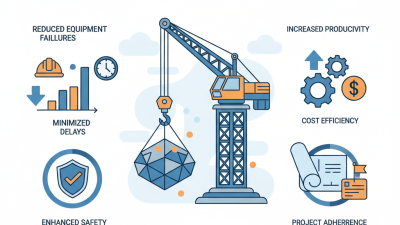
How to Choose the Right Heavy Lift Crane for Your Construction Project
When embarking on a construction project that requires the transport of heavy materials, selecting the right heavy lift crane is paramount. According to Dr. Emily Hartman, a leading expert in crane operations and project logistics, "Choosing the appropriate heavy lift crane can significantly impact the efficiency and safety of your project." This statement underscores the importance of understanding the specific requirements of your construction endeavors and matching them with the capabilities of various cranes available in the market.
Heavy lift cranes are designed to handle substantial loads, and their selection should be guided by several factors, including the weight and dimensions of the loads, the site conditions, and the intended lifting height. Moreover, the latest advancements in crane technology provide a variety of options, making it essential for project managers to educate themselves on the available equipment. Engaging in thorough research and consultation with industry experts can lead to informed decisions that will enhance the overall success of construction operations.
Ultimately, the choice of a heavy lift crane is not merely a logistical consideration but a strategic decision that can influence timelines, budgets, and safety protocols. By approaching the selection process with careful consideration and expert guidance, construction professionals can ensure that their projects proceed smoothly and efficiently.
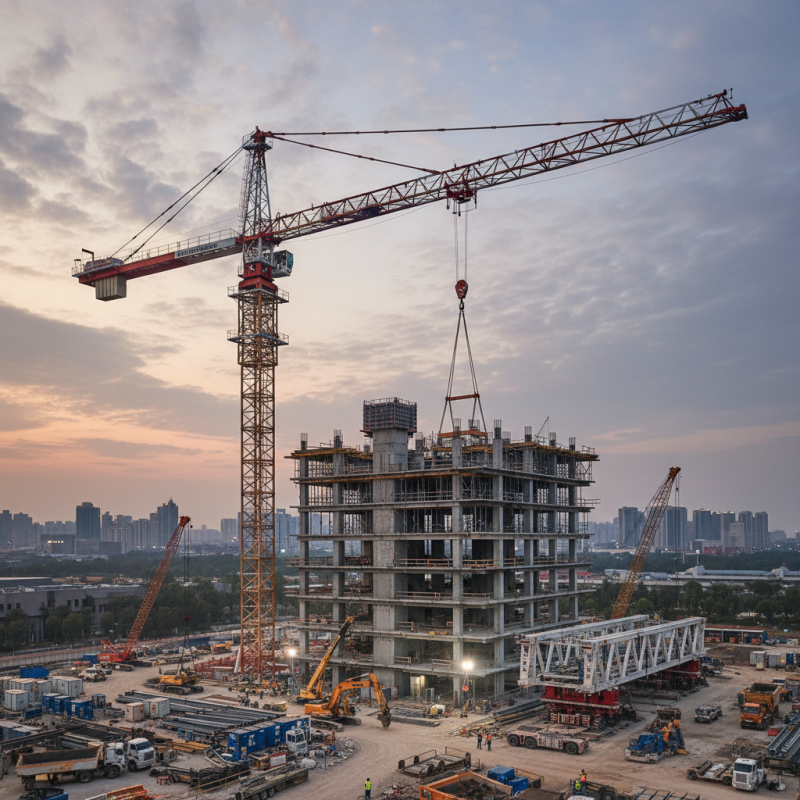
Understanding the Types of Heavy Lift Cranes Used in Construction
When selecting a heavy lift crane for your construction project, understanding the different types available is crucial. Heavy lift cranes are specialized machines designed to handle large and heavy loads efficiently. There are several types, each tailored to specific tasks and environments. The most common types include Crawler Cranes, All-terrain Cranes, and Tower Cranes.
Crawler cranes are ideal for rough terrain and soft ground due to their tracked design, which distributes weight over a larger area, preventing ground damage. They offer excellent stability and can lift significant loads at various heights, making them suitable for heavy construction and infrastructure projects.
All-terrain cranes are versatile machines that combine the features of both truck-mounted and crawler cranes. They are capable of moving smoothly on public roads and off-road conditions, making them a favored choice for projects requiring mobility and flexibility. These cranes are perfect for construction sites with varying terrain, offering ease of setup and operation. In contrast,
tower cranes are primarily used for vertical lifting in urban construction settings, where they provide exceptional height and reach. Their design allows for maximum load capacity at substantial heights, making them indispensable for high-rise buildings and large structures. Understanding these crane types' strengths and limitations will help you make an informed decision tailored to your project's specific needs.
Key Specifications to Consider When Selecting a Heavy Lift Crane
Choosing the right heavy lift crane for your construction project involves careful consideration of various key specifications that impact efficiency, safety, and overall project success. One of the foremost specifications is the crane's lifting capacity, which often ranges from 30 to 3,000 tons, as reported by industry experts. It's essential to assess the weight of the materials to be lifted and ensure that the chosen crane can handle these loads without risking structural failures or safety hazards. Additionally, understanding the crane's maximum reach, or boom length, is crucial, as it determines how far it can lift loads from its base while maintaining stability.
Another critical element to consider is the type of heavy lift crane, such as mobile or tower cranes, each suitable for different site conditions. According to the *International Journal of Heavy Machinery*, site conditions like accessibility, ground stability, and the radius of operation can significantly influence crane choice. Moreover, crane features such as counterweights and wind resistance ratings should not be overlooked, as they enhance performance in varied environments.
**Tips:** When selecting a heavy lift crane, always evaluate the project timeline, as some crane types can be set up quickly, allowing for more efficient workflows. Consult with professionals to conduct a risk assessment that includes environmental factors, ensuring compliance with local construction regulations. Lastly, consider hiring crane operators who are certified and experienced to optimize safety and operational efficiency on-site.
How to Choose the Right Heavy Lift Crane for Your Construction Project
| Specification |
Description |
Importance |
| Lifting Capacity |
Maximum weight the crane can lift, usually measured in tons. |
Crucial for ensuring the crane can handle the heaviest loads on site. |
| Boom Length |
Length of the crane's boom, typically impacting reach and lifting height. |
Important for jobs requiring extended reach or height. |
| Operating Radius |
Distance from the center of the crane to the load. |
Essential for positioning the crane effectively on site. |
| Height Under Hook |
The vertical distance from the ground to the hook of the crane. |
Critical for projects involving significant vertical lifting. |
| Stability Features |
Includes outriggers and counterweights. |
Vital for safe operation, especially under maximum load. |
| Control System |
Type of controls (manual, remote, or automated). |
Affects ease of use, precision, and operator safety. |
| Transportability |
How easy it is to transport the crane to different sites. |
Influences project timelines and logistics. |
| Cost |
Overall price including purchase, rental, or operational costs. |
Ultimately, budget constraints will affect the selection of equipment. |
Assessing Load Capacity Requirements for Your Project's Heavy Lifting Needs
When embarking on a construction project that involves heavy lifting, the first step is to assess the load capacity requirements specific to your needs. Understanding the weight and dimensions of the materials to be lifted is crucial, as these factors directly influence the selection of a heavy lift crane. Take into account not just the static weight of the load, but also any dynamic loads that may occur during lifting, transporting, or placing the materials. This assessment will inform you how much lifting capacity is necessary to ensure safety and efficiency throughout your project.
It is also important to consider the environmental conditions and site constraints that may affect crane operation. Terrain type, accessibility, and overhead obstructions can all impact the choice of crane and its load capacity. For instance, a project located on uneven ground might require a crane with a higher lift capacity or additional stability features to safely maneuver heavy loads. By thoroughly evaluating these factors, you ensure that the selected crane will meet the demands of your project, allowing for a smoother operation and helping to prevent potential delays caused by equipment limitations.
Analyzing Crane Reach and Maneuverability for Job Site Efficiency
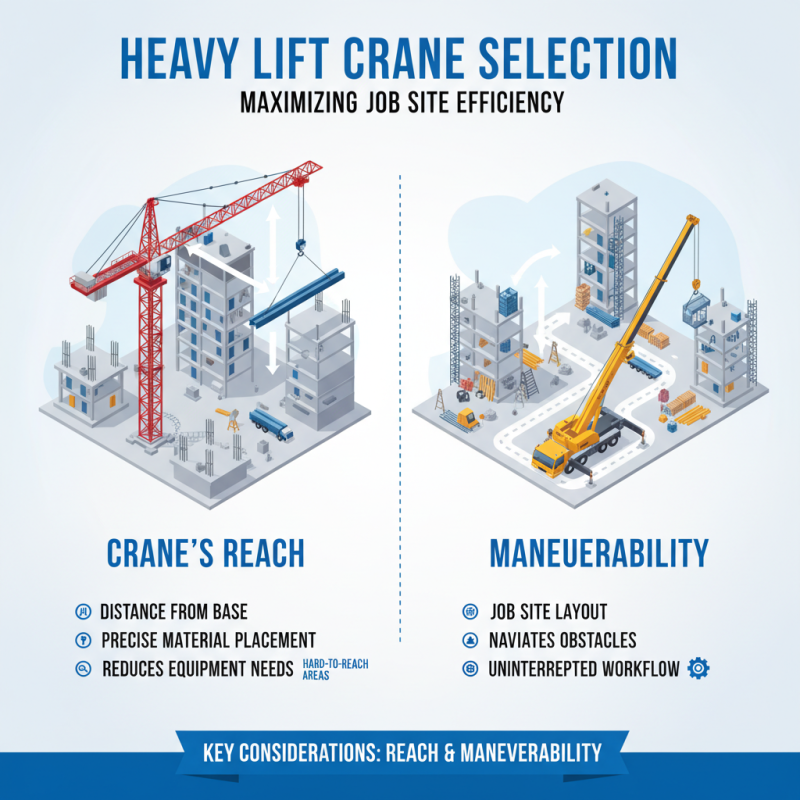
When selecting a heavy lift crane for your construction project, analyzing the crane's reach and maneuverability is crucial for maximizing job site efficiency. The reach of a crane determines how far it can extend from its base, impacting its ability to lift and place materials precisely where they are needed. A crane with a considerable reach can access hard-to-reach areas, reducing the need for additional lifting equipment and thereby streamlining operations. Consider the specific layout and constraints of the job site when evaluating reach; ensuring that the crane can perform its tasks without obstruction is essential for maintaining workflow.
Maneuverability is equally important, as it affects how well the crane can navigate the construction site. Heavy lift cranes are often required to operate in tight spaces or uneven terrain, making flexibility a key factor in their effectiveness. Cranes equipped with advanced steering capabilities can reposition quickly, minimizing downtime and enhancing productivity. Additionally, assessing the ground conditions, overhead obstacles, and surrounding structures can help determine the most suitable crane type for the job. Ultimately, a thorough evaluation of both reach and maneuverability will lead to more informed decisions, ensuring that your construction project progresses smoothly and efficiently.
Evaluating Safety Standards and Regulatory Compliance for Heavy Cranes
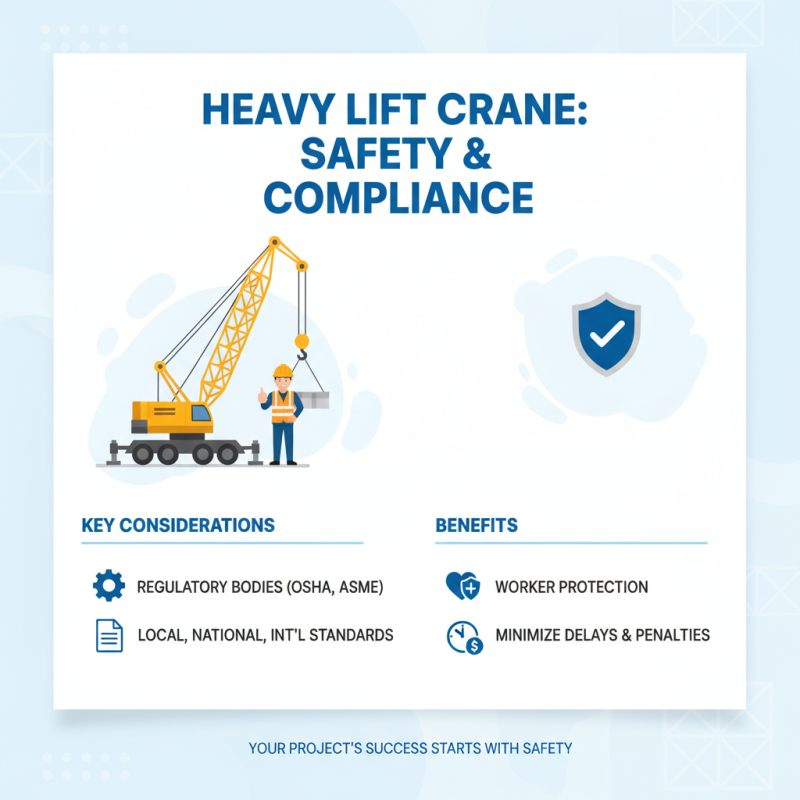
When selecting a heavy lift crane for your construction project, one of the foremost considerations is ensuring that the equipment meets all relevant safety standards and regulatory compliance requirements. This involves researching the specific regulations imposed by local, national, and international bodies regarding crane operation. Adhering to these guidelines not only protects the workforce but also minimizes the risk of project delays and financial penalties. Understanding the standards established by organizations such as OSHA or ASME can provide a clear framework for safety expectations.
Additionally, verifying that the crane has been properly certified and inspected is crucial. This includes reviewing documentation that verifies compliance with safety standards, such as load testing reports and maintenance records. Engaging with professional bodies or hiring knowledgeable consultants can further bolster the decision-making process. Ensuring compliance with safety regulations contributes to a smoother workflow and enhances the safety culture on the construction site, ultimately leading to more successful project outcomes.