How to Choose the Right Heavy Lift Crane for Your Project?
Choosing the right heavy lift crane for your project is crucial. The demands of a project can be intense. A suitable crane ensures efficiency and safety. Heavy lift cranes come in various sizes and capabilities. Each project has unique needs, from lifting capacity to maneuverability. It's essential to match the crane to your specific requirements.
Consider the project site. Is it spacious or confined? Will the crane need to navigate obstacles? These factors influence your choice. Furthermore, understanding the weight and dimensions of the loads is vital. Heavy lift cranes operate differently based on these specifics.
Reliability in crane operation is paramount. Poor decisions can lead to accidents or delays. Engaging with experts can help guide your choice. Their insights are invaluable in this complex selection process. As you weigh your options, reflect on past projects. Analyze what worked and what didn’t. This reflection is key to making informed decisions about heavy lift cranes for future projects.
Understanding the Basic Types of Heavy Lift Cranes Available
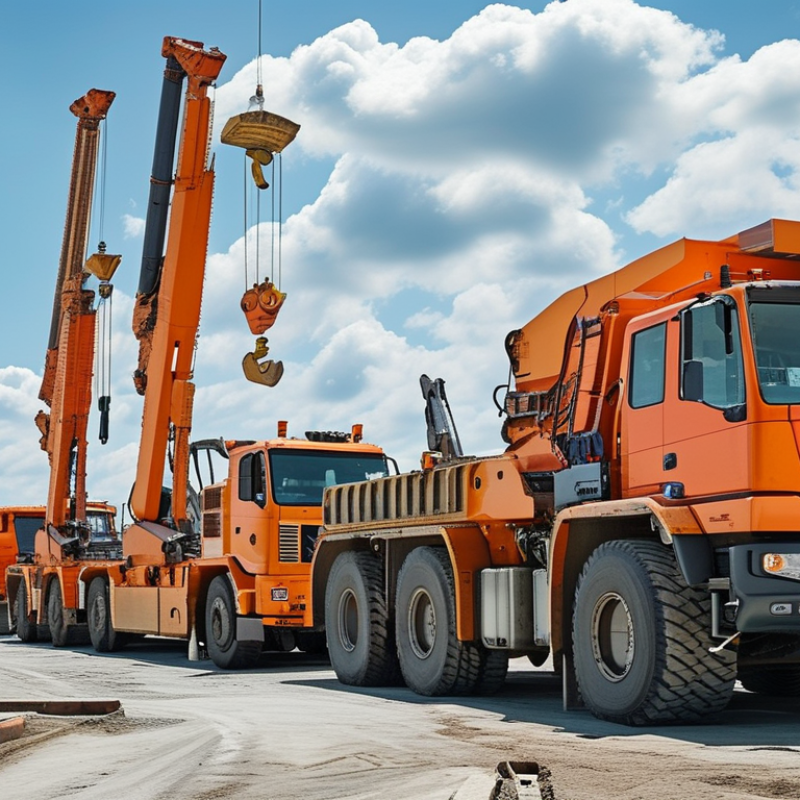
Heavy lift cranes are essential for large-scale construction projects. Understanding their types is crucial before making a choice. There are several basic categories of heavy lift cranes, each designed for specific tasks.
The mobile crane is versatile and can easily move around the site. It is suitable for various terrains and boasts quick setup times.
Tower cranes are another popular type, often used in urban construction. They can lift large weights, but their placement is fixed. Unlike mobile cranes, they require careful installation and planning.
Another type is the crawler crane, known for its stability on uneven surfaces. It uses tracks instead of wheels, allowing it to navigate challenging environments. However, these cranes are less mobile compared to others.
Reflecting on these options can help in selecting the right crane. It’s important to assess the project's requirements and constraints. A deep understanding of each type's strengths and weaknesses is key.
Assessing Project Requirements and Load Specifications
When choosing a heavy lift crane, understanding your project requirements and load specifications is crucial. First, assess the weight of the loads you need to lift. The American Society of Civil Engineers reports that lifting capabilities vary widely among cranes, with some designed for loads up to 1,600 tons, while others can handle only a few hundred. This variance makes accurate assessment essential in selecting the right equipment.
Consider also the dimensions of your loads. Cranes come with specific reach limits. For example, a crane with a 100-foot radius may not be adequate for projects requiring extended reach. Additionally, analyze the terrain and site conditions. Rough or unstable ground can impact crane stability, requiring models with specific features like outrigger supports.
Lastly, always factor in the safety protocols outlined by the Occupational Safety and Health Administration (OSHA). Compliance ensures that lift operations adhere to safety standards. The reality is, many projects face unexpected challenges that can increase costs or lead to unsafe working conditions. Investing time in evaluating these specifications can prevent costly mistakes down the line.
Evaluating Crane Capacity and Reach for Optimal Performance
When selecting a heavy lift crane, understanding capacity and reach is crucial. The crane's capacity refers to the maximum weight it can safely lift. This varies by model and type. Assess your project's weight requirements carefully. Do not underestimate the load; include all attachments and rigging in your calculations.
Reach is another vital consideration. It determines how far a crane can lift and position a load. A crane with inadequate reach may limit your operational flexibility. Consider the height of the project site and potential obstacles. Factor in the radius required to maneuver loads. Conducting simulations can help identify potential issues.
Sometimes, miscalculations occur. Projects may require adjustments as conditions change. Evaluating crane specifications against project demands can reveal mismatches. It can lead to delays or increased costs. Engage with experienced professionals to ensure accuracy. Effective communication about needs and constraints is essential.
How to Choose the Right Heavy Lift Crane for Your Project?
| Crane Type |
Max Lifting Capacity (Tons) |
Max Reach (Meters) |
Applications |
| All Terrain Crane |
120 |
50 |
Construction, Offshore, Heavy Equipment |
| Crawler Crane |
150 |
60 |
Heavy Lifting, Infrastructure, Wind Farm |
| Telescopic Crane |
80 |
40 |
Urban Construction, Power Plants, Shipyards |
| Rough Terrain Crane |
70 |
30 |
Mining, Remote Locations, Off-Road Projects |
| Floating Crane |
200 |
80 |
Marine Construction, Dredging, Salvage Operations |
Considering Site Conditions and Accessibility for Crane Operation
Choosing the right heavy lift crane involves careful consideration of site conditions and accessibility. Assessing the ground surface is crucial. Soft or unstable soils can be problematic. If the ground can’t support the crane’s weight, you may face costly delays. Evaluate the area for any obstructions, like power lines or nearby buildings. These can hinder crane operations and create safety hazards.
Accessibility is another key factor. Ensure the crane can reach the work site easily. If the site is in a congested area, plan for space to maneuver. Installation may not go as planned if access is limited. Check roadways, overhead clearance, and any barriers.
**Tips:** Measure the dimensions of the site. This will help identify potential access issues early. Also, assess the weather conditions during the planned operation time. Poor weather can complicate crane handling. Remember, sometimes it's necessary to rethink the project timeline to ensure safety and efficiency. Making adjustments might cause initial frustration, but it pays off later.
Heavy Lift Crane Capacity Based on Site Conditions
Analyzing Budget Constraints and Rental Options for Cranes
When planning a heavy lift project, budget constraints often dictate the type of crane you can afford. Renting a crane might seem more accessible, but it’s crucial to analyze all associated costs. The rental fee is just the starting point. Consider additional expenses like transportation, setup, and potential insurance. These costs can accumulate quickly, straining your budget.
You might think choosing the cheapest option makes sense. However, this choice can lead to complications. A crane that lacks the necessary capacity could delay your project, increasing costs. Always evaluate your specific lifting requirements. Engage with experts to understand the true costs of leasing versus buying. They can provide insights into rental options that fit your needs without overspending.
It's essential to reflect on your project's size and complexity. A bespoke approach can save money in the long run. Take time to weigh different rental contracts. Some might offer flexible terms that accommodate your project timeline. Others may impose strict penalties for delays. Consider potential outcomes and prepare for unexpected changes. Proper planning will make your project more reliable and efficient.