How to Choose the Best Heavy Crane for Your Project?
Choosing the right heavy crane can significantly impact your project’s success. Industry expert John Peterson, a leading authority in heavy construction, once stated, "A well-chosen heavy crane is crucial for efficiency." This insight underscores the importance of selecting the right equipment.
When considering a heavy crane, several factors come into play. The size and weight of your load are vital. An incorrect choice can lead to project delays or safety hazards. Additionally, the terrain where the crane operates should be evaluated. It's not just about having a powerful crane; it's about having the right one for your specific needs.
There are various types of heavy cranes available. Each serves its purpose but may not be suitable for every project. This complexity can be overwhelming. Many overlook the nuances of crane specifications. Conducting thorough research and consulting with experts can yield significant benefits. Ultimately, the right heavy crane can enhance productivity and ensure safety on your site.
Factors to Consider When Selecting a Heavy Crane
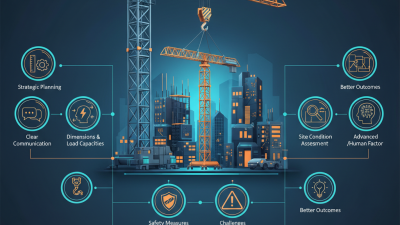
Choosing the right heavy crane for your project involves careful consideration of various factors. First, the load capacity is paramount. Cranes vary significantly, with some capable of lifting up to 1,600 tons. Assess the maximum weight you need to lift based on your project's requirements. Ensure you factor in the weight of the materials and any additional equipment.
Another critical consideration is the crane's reach and height. This directly impacts your aerial workspace. For example, some cranes have a reach of over 300 feet. Projects in urban settings often mandate cranes that can maneuver within tighter confines. Additionally, terrain plays a significant role. A rough surface may limit the crane's stability and capacity; understanding the ground conditions is crucial.
Safety ratings also cannot be overlooked. According to industry reports, approximately 55% of crane accidents occur due to improper selection or neglecting to assess site conditions. Cranes must meet compliance with safety standards, ensuring reliability and protection on your job site. Always refer to certified reports and manufacturer guidelines for detailed specifications. This careful evaluation can make the difference between project success and costly setbacks.
How to Choose the Best Heavy Crane for Your Project? - Factors to Consider When Selecting a Heavy Crane
| Factor |
Description |
Importance Level |
| Load Capacity |
The maximum weight the crane can lift safely. |
High |
| Height Reach |
The maximum height the crane can reach during operation. |
Medium |
| Working Radius |
The maximum horizontal distance from the crane’s center that it can lift loads. |
High |
| Type of Crane |
Different types include lattice boom, telescopic, and crawler cranes. |
Medium |
| Site Conditions |
Assessment of ground conditions, space constraints, and environmental factors. |
High |
| Operator Experience |
The skill and experience level of the crane operator can significantly affect safety and efficiency. |
High |
| Rental vs. Purchase |
Deciding whether to rent or buy based on the project duration and budget. |
Medium |
Understanding Different Types of Heavy Cranes Available
When selecting heavy cranes for a project, it's essential to understand the various types available. Tower cranes, commonly seen on construction sites, excel in lifting heavy materials to great heights. They offer a stable base and can extend to significant heights, making them ideal for skyscraper projects. However, they require ample space and can be costly to set up.
Crawler cranes are another option. Their ability to move on uneven terrain makes them versatile. They have a wide stance for stability but can be cumbersome in tight spaces. These cranes are perfect for projects that require movement across rough ground.
Consider the following when choosing a crane type. Think about the load capacity and height requirements of your project. Assess the site layout and environmental conditions. Each crane has unique features that suit different scenarios. Asking for expert advice may save you from unexpected issues. Balancing the right crane with your project's demands is crucial for efficiency and safety. Remember, the most expensive option isn't always the best one. Reflect on your specific needs to make a sound decision.
Assessing Load Capacity and Project Requirements
Choosing the right crane for your project revolves around understanding load capacity and specific requirements. Load capacity is a crucial factor in crane selection. According to the American Crane and Hoist Association, many operations exceed their rated load capacity, leading to potential safety hazards. It's essential to match the crane's capacity with the heaviest load expected. Cranes come with varying capacities, ranging from a few tons to over a thousand tons.
Assessing project requirements involves analyzing the job site's conditions and load dynamics. For instance, consider if the crane will maneuver in tight spaces. Will the surface conditions support heavy equipment? A report from the Crane Manufacturers Association of America states that over 30% of crane-related incidents result from improper site assessment. This indicates the importance of thorough planning and reflection on potential site limitations before commitment. Ensuring that all these elements align may necessitate a reevaluation of initial plans, especially when complexities arise during execution.
Evaluating Crane Reach and Operational Radius
When selecting a heavy crane, evaluating its reach and operational radius is crucial. A crane's reach determines how far it can extend its boom while lifting loads. For instance, a crane with a 30-foot radius may limit your ability to position materials effectively on a job site. Misjudgment can lead to delays or safety risks.
According to the Heavy Equipment Manufacturers Association, choosing a crane with ample reach can increase efficiency by up to 20%.
Operational radius also impacts lifting capacity. A crane's load limit decreases as its reach increases. Data from the International Association of Heavy Equipment Operators shows that cranes can lose up to 50% of their lifting capacity at greater distances. This trade-off needs careful consideration. Knowing how far you need to reach without exceeding these limits ensures safe operations and optimal performance.
Project specifics may require specialized cranes, especially when space is limited. Assess your site’s layout, surrounding obstacles, and the weight of loads. A comprehensive analysis helps avoid costly mistakes. Overlooking these factors can result in increased downtime and potential equipment failure.
Budgeting for Crane Rental and Operational Costs
When budgeting for crane rental and operational costs, clarity is key. Start by assessing the specific demands of your project. The weight of the materials, the duration of the lift, and site conditions all influence costs. For instance, a heavier load requires a more robust crane, driving up rental expenses. Consider working with an experienced team to accurately estimate these factors. Their insights can prevent overspending on unnecessary rental features.
Additionally, operational costs often go beyond the crane rental itself. Factor in the skilled labor needed for safe operation. This is not just about hiring any operator; you need someone with a proven track record and relevant qualifications. Often overlooked are insurance and maintenance fees. These can accumulate quickly, especially in long-term projects. Reflecting on these aspects can help avoid financial surprises, ensuring your project stays within budget.
Sometimes contractors underestimate the total costs. This can lead to restrained budgets mid-project, causing delays. It's essential to create a realistic financial plan that takes potential issues into account. Balancing high-quality equipment and costs is not always straightforward. Seeking advice and industry expertise can greatly reduce the risk of financial missteps.