How to Choose the Right Carbon Steel Pipe for Your Needs?
Choosing the right Carbon Steel Pipe is essential for various applications, including construction and manufacturing. The global carbon steel pipe market was valued at approximately $55 billion in 2020, according to industry reports. This sector is projected to grow steadily due to increasing infrastructure development needs.
When evaluating carbon steel pipes, consider key factors, such as strength, corrosion resistance, and cost. These pipes are categorized based on specifications outlined by standards organizations such as ASTM and API. For example, API 5L specifies requirements for pipes used in the oil and gas industry. Specifications can significantly impact the selection process.
It's crucial to note that not all carbon steel pipes are created equal. Minor differences in grade and coating can lead to substantial performance variations. This complexity means it's vital to consult experts or detailed resources during your selection process. Remember, making an informed choice can enhance durability and efficiency in your projects.
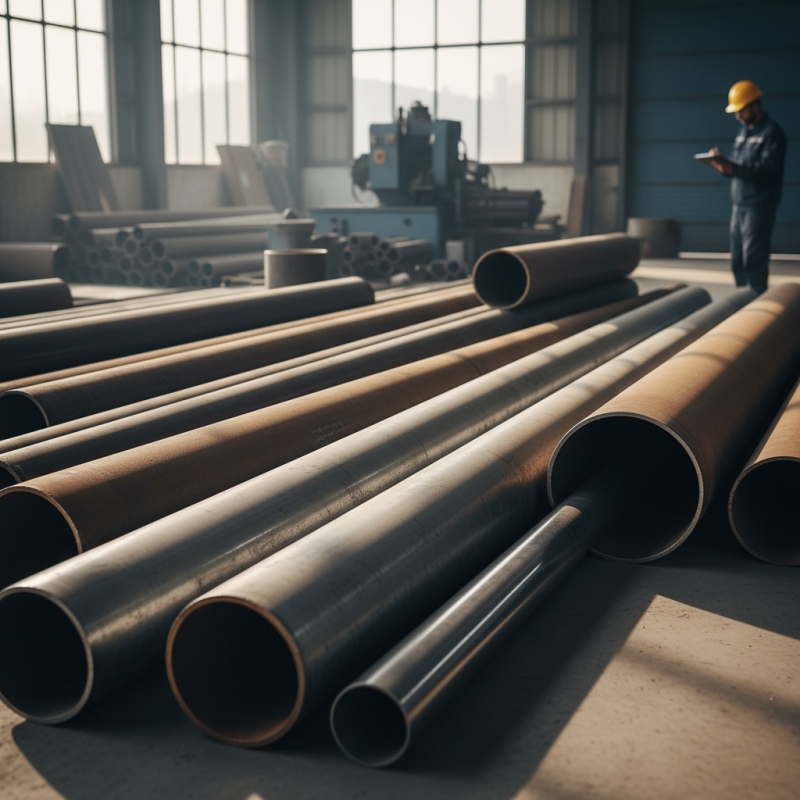
Understanding Carbon Steel Pipe Specifications and Grades
When selecting a carbon steel pipe, understanding specifications and grades is crucial. Carbon steel pipes are classified based on their chemical composition and mechanical properties. The American Society for Testing and Materials (ASTM) specifies multiple grades, such as ASTM A106 and ASTM A53. Grades determine the pipe's strength, ductility, and suitability for various applications.
For instance, ASTM A106 is well-suited for high-temperature applications. It can withstand temperatures up to 750°F. In contrast, ASTM A53 is generally used in structural applications and has lower tensile strength. A report by the World Steel Association highlights that over 1.5 billion tons of steel were produced in 2021, with carbon steel making up a significant portion. This underlines its importance in construction and infrastructure.
However, it is vital to consider factors like welding, corrosion resistance, and intended environment. Not all pipes meet every requirement. Sometimes, a grade that seems appropriate may not hold up under certain conditions. Experts recommend consulting with engineers before making decisions. Their insights can help avoid costly mistakes.
How to Choose the Right Carbon Steel Pipe for Your Needs? - Understanding Carbon Steel Pipe Specifications and Grades
| Specification | Grade | Typical Uses | Wall Thickness (inches) | Diameter Range (inches) |
| ASTM A106 | Grade B | High-temperature service | 0.375 - 0.750 | 2 - 48 |
| ASTM A53 | Grade B | Structural applications | 0.120 - 0.500 | 1.5 - 30 |
| ASTM A252 | Grades 1, 2, 3 | Piling, foundations | 0.250 - 0.500 | 6 - 36 |
| ASTM A500 | Grade B | Structural steel tubing | 0.250 - 0.625 | 1.5 - 30 |
| API 5L | Grade X42 | Oil and gas pipelines | 0.250 - 0.750 | 6 - 48 |
Identifying Your Project Requirements for Carbon Steel Pipes
When selecting carbon steel pipes, understanding your project requirements is crucial. Different projects have varying demands. For instance, if your application involves high pressure, robustness is essential. A report by the American Society for Testing and Materials (ASTM) highlights that carbon steel pipes can withstand pressures ranging from 100 to over 1,500 psi, depending on the grade. Knowing the maximum pressure your project will encounter helps narrow your options.
Additionally, consider the environment where the pipes will be used. Corrosive substances can drastically affect longevity. According to a study published by the National Association of Corrosion Engineers (NACE), unprotected steel can corrode in just a few months in high-salinity environments. This data emphasizes the importance of protective coatings or selecting a more resilient pipe grade for certain locations.
Another factor to weigh is the diameter and length of the pipe. A project might require custom lengths, which typically demand a longer lead time. Some suppliers don’t stock off-size options, which can lead to project delays. Balancing these requirements while ensuring compliance with safety standards further complicates the decision-making process. It’s essential to make informed choices and assess all factors critically.
Carbon Steel Pipe Specifications for Different Applications
Evaluating Pipe Size, Thickness, and Pressure Ratings
When selecting the right carbon steel pipe, it's crucial to evaluate pipe size, thickness, and pressure ratings. The American Society for Testing and Materials (ASTM) recommends specific dimensions for various applications. For instance, standard pipe sizes range from 1/8 inch to 12 inches in diameter. Frequently, industries prefer pipes with larger diameters for transporting high volumes of fluids.
Pipe thickness, measured in wall thickness, is vital for structural integrity. The schedule number indicates the thickness of the pipe. A higher schedule number means a thicker wall, leading to better pressure resistance. For example, Schedule 40 is often adequate for moderate pressure applications, while Schedule 80 is better for higher pressure systems.
Tip: Always verify the pressure ratings before making a purchase. The American National Standards Institute (ANSI) provides guidelines on pressure ratings that can help narrow down options. Additionally, review the intended application. Sometimes, a slight adjustment in thickness can significantly affect durability and performance.
Another factor is the potential for corrosion over time. While carbon steel is strong, it can rust if not properly maintained. Evaluating its application environment may reveal the need for protective coatings or higher-quality steel grades. Keep in mind that decisions should be based on comprehensive assessments, not just price alone. The right choice ultimately balances cost, safety, and operational efficiency.
Exploring Different Coatings and Finishes for Durability
When selecting carbon steel pipes, the choice of coatings and finishes is crucial for enhancing durability. Various coatings, such as galvanized, epoxy, or polyurethane, provide unique benefits and protective qualities. Research from the American Institute of Steel Construction (AISC) suggests that properly coated pipes can extend service life by over 50%. This figure emphasizes the importance of selecting the right coating to withstand environmental stresses.
The finish of a carbon steel pipe also impacts its performance. Smooth finishes reduce friction and improve flow rates. However, they may not be as resistant to corrosion. Conversely, rougher finishes can enhance adherence for certain coatings, improving overall durability. According to recent industry studies, corrosion-related failures account for nearly 40% of all pipeline issues. This statistic underlines the need for careful consideration of both the coating and finish when selecting pipes.
Choosing the right coating is not just about protection; it also affects maintenance. Some coatings require regular inspection and touch-ups. Others may offer a longer lifespan but are more expensive upfront. Balancing these factors can be challenging. It's essential to weigh cost against durability for effective long-term results.
Comparing Cost-Effectiveness and Availability of Carbon Steel Pipes
When selecting carbon steel pipes, cost-effectiveness and availability are crucial factors. Carbon steel pipes are widely used in various industries due to their strength and durability. According to a report from the World Steel Association, carbon steel comprises approximately 95% of total steel production. This high availability translates to competitive pricing.
The cost-effectiveness of carbon steel pipes is influenced by their material properties. They can withstand high pressures and temperatures. As per market analysis, the average price of carbon steel pipes is significantly lower than that of stainless steel. For instance, in 2022, the price per ton of carbon steel was around $1,200, compared to stainless steel's $2,500. However, prices can fluctuate based on market demand and production costs.
Availability varies by region. In the U.S., large diameter carbon steel pipes are often in stock, while certain specialty grades may be harder to find. Smaller suppliers might not carry extensive inventories, making it essential to assess local availability before purchasing. Understanding these dynamics helps ensure you choose the right pipe for your project while staying within budget.