How to Choose the Right Company Crane for Your Project Needs?
Choosing the right company crane is crucial for your project's success. A crane's capacity, height, and reach can determine the efficiency of your work. Each project has unique demands, so understanding these needs is essential.
Consider the type of materials you'll lift. Different cranes suit various tasks. For instance, a mobile crane might be ideal for construction sites, while a tower crane works better for tall structures. It's easy to overlook specifications. Educate yourself on load charts and operating ranges to avoid costly mistakes.
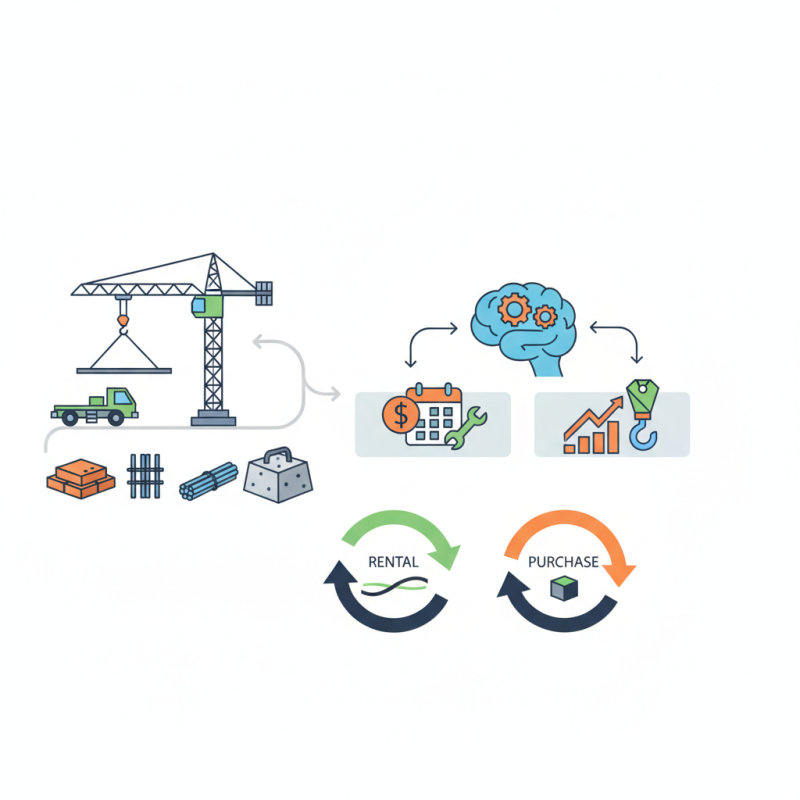
It's also important to evaluate rental versus purchase. Renting offers flexibility, while buying could be a long-term investment. Take your time to reflect on your project timeline and budget. This decision can significantly impact your overall project efficiency, so don’t rush. Ultimately, your choice of a company crane should align with your specific requirements for the best outcome.
Factors to Consider When Selecting a Company Crane for Your Project
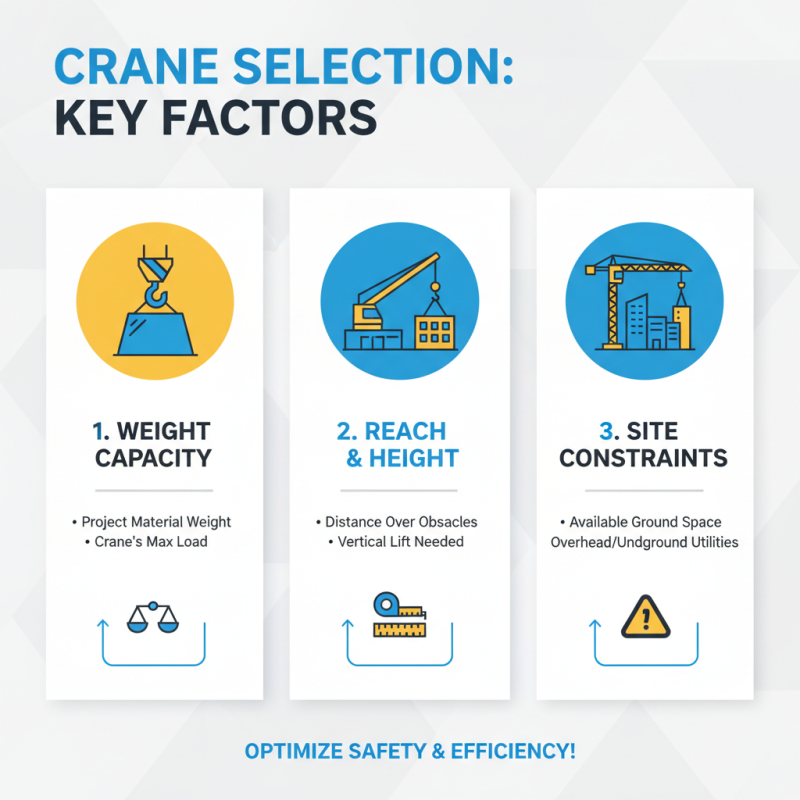
When choosing a company crane, several factors come into play. The size of the crane is crucial. You need to assess the project's weight capacity. A crane that is too small may not lift materials effectively. If it’s too large, it could damage the site or create safety risks. Additionally, consider the crane's reach. Some projects require cranes that can extend over obstacles. This can complicate your choice if space is tight.
Another important aspect is the crane's mobility. Is it required to move frequently throughout the project? If so, a mobile crane may be best. Alternatively, a stationary crane could work if the location allows. Daily operations can be disrupted if the crane cannot move easily. It’s essential to think about the environment. Factors like weather conditions or terrain can impact a crane's performance.
Safety features should not be overlooked. Ensure the crane has reliable safety mechanisms. Training for operators is also a consideration. Their skills can dramatically affect project efficiency. Reflecting on these factors often helps in making better decisions, avoiding common pitfalls.
Types of Cranes Available for Different Construction Needs
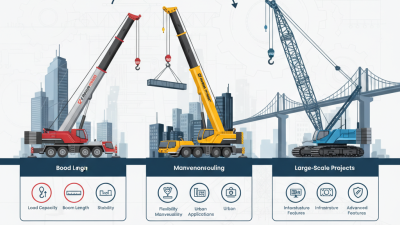
When choosing a crane for a construction project, understanding the types available is crucial. Tower cranes are ideal for high-rise buildings. These cranes provide excellent height and reach. They can lift heavy materials to great heights with ease. However, they require a larger footprint and time for setup.
Mobile cranes are versatile and can be moved around the site easily. They are perfect for smaller projects or when space is limited. But their lifting capacity may not match larger cranes. The trade-off between stability and mobility is something to think about. If the project demands more heavy lifting, rough terrain cranes may be the solution. They can navigate uneven ground but often come with higher operating costs.
There are also specialized cranes, like bridge cranes used in large warehouses. They optimize space and improve workflow. Each type has its strengths and weaknesses, so reflection on project needs is vital. What works for one project may not be suitable for another. Choosing the right crane requires careful evaluation of space, weight, and operational needs. This decision can significantly impact the efficiency and safety of your project.
Evaluating Load Capacity and Reach for Your Specific Application
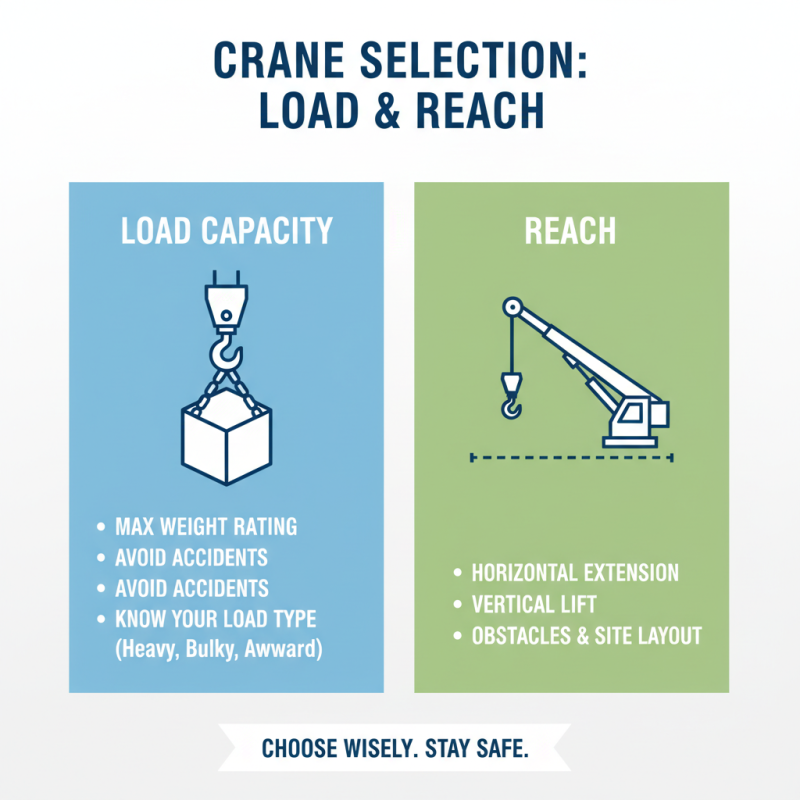
When choosing a crane for your project, evaluating load capacity is essential. Each crane comes with a specified maximum load it can lift safely. This detail is vital for avoiding accidents. Think about what you need to lift. Is it heavy, bulky, or awkward? Knowing your load will help in selecting the right crane.
Reach is another critical factor. Understanding how far the crane can extend is crucial for your workspace. A crane that cannot reach the desired height or distance will hinder your project. Take measurements of your site and visualize where the crane will operate. This way, misunderstandings about space limitations can be addressed before they become problems.
Consider the terrain where the crane will function. Ground conditions affect stability and load capacity. Uneven surfaces might lead to unexpected challenges. Also, reflect on your project timeline. Finding the right crane isn’t just a technical task; it requires careful thought. Sometimes, a too-quick decision can lead to setbacks. Evaluate your choices thoroughly to ensure success.
Understanding Rental vs. Purchase Options for Cranes
When deciding between renting or purchasing a crane, understanding your project needs is essential. Rental options typically include daily, weekly, or monthly rates. According to the Crane Market 2022 report, 60% of projects opt for rental, mainly due to lower initial costs and flexibility. Rentals allow for adjustments based on project timelines and changing demands. However, this could mean facing availability issues during peak seasons.
Purchasing a crane offers long-term benefits for ongoing projects. If your operations require heavy lifting regularly, ownership can lead to significant cost savings over time. The associated maintenance and insurance can become overwhelming, though. The Equipment Leasing and Finance Association found that about 30% of small firms struggle with upkeep costs, often leading to extended downtime.
Tips: Evaluate your project duration before deciding. If it lasts less than a year, consider renting. Make sure to inspect both models and costs carefully. Analyze all hidden costs that could arise from both options. This simple step can prevent unexpected budget issues later on.
Crane Usage in Construction Projects
Safety Standards and Regulations for Crane Operations in Projects
When working with cranes, safety is paramount. Every project requires adherence to safety standards and regulations to ensure everyone’s well-being. Local regulations often specify the necessary safety training for operators. Compliance with these standards is not optional; it is essential for protecting lives and property.
Consider your site conditions when selecting a crane. Not every crane is suited for every environment. For instance, outdoor sites may expose equipment to wind and unstable ground. Cranes must be able to operate safely under these conditions. Poor choices can lead to accidents and structural failures.
Tips: Always check if the crane operator possesses the required certifications. Operators need to understand the equipment's limitations. Regular maintenance checks can identify potential hazards before they become serious issues. Prioritize safety gear on-site, like helmets and harnesses. Encourage open communication among team members regarding safety concerns.
How to Choose the Right Company Crane for Your Project Needs? - Safety Standards and Regulations for Crane Operations in Projects
| Crane Type |
Load Capacity (tons) |
Max Lift Height (meters) |
Operating Radius (meters) |
Compliance Standards |
Safety Features |
| Tower Crane |
10 |
50 |
16 |
OSHA, ANSI |
Anti-collision device, load indicator |
| Mobile Crane |
25 |
40 |
14 |
ASME, ISO |
Stability monitoring system |
| Crawler Crane |
40 |
60 |
20 |
EN 13000 |
Emergency stop, overload protection |
| Rough Terrain Crane |
30 |
22 |
12 |
ISO, OSHA |
Leveling alarms, visual load indicators |