How to Choose the Right Precision Crane for Your Project Needs?
Choosing the right precision crane is crucial for project success. The right equipment can enhance efficiency and safety on site. However, many overlook important factors in this decision.
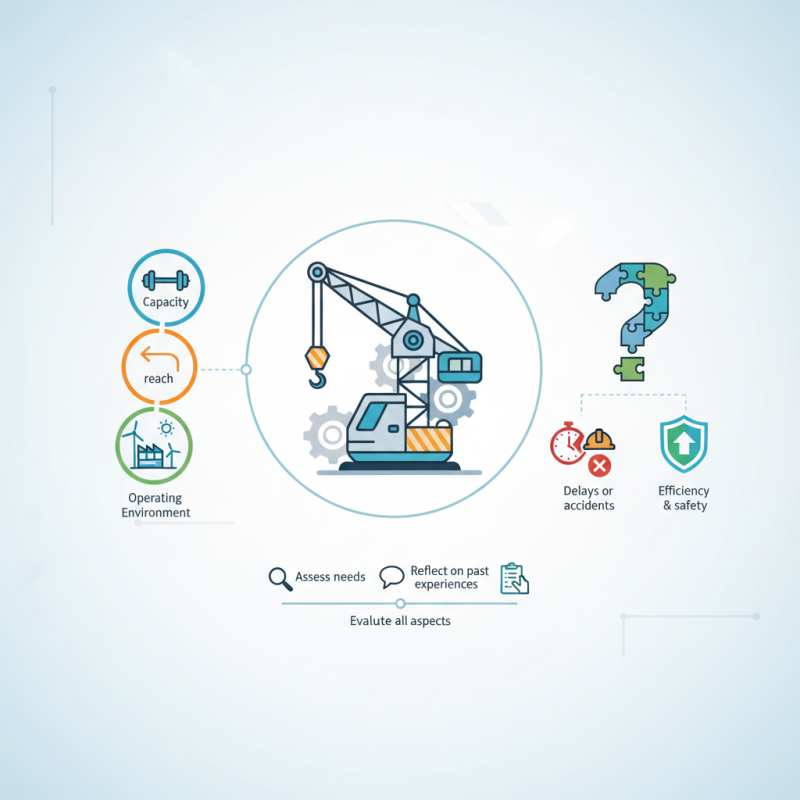
Precision cranes come in various sizes and capabilities. Each type serves specific functions and applications. Selecting the wrong model can lead to delays or accidents. It's vital to assess your project's unique requirements.
Consider factors like load capacity, reach, and operating environment. A crane that seems perfect on paper may not fit your actual needs. It's important to reflect on past experiences. Perhaps a previous project taught you valuable lessons. Be wary of rushing into a decision. Take time to evaluate all aspects before committing.
Understanding the Different Types of Precision Cranes Available
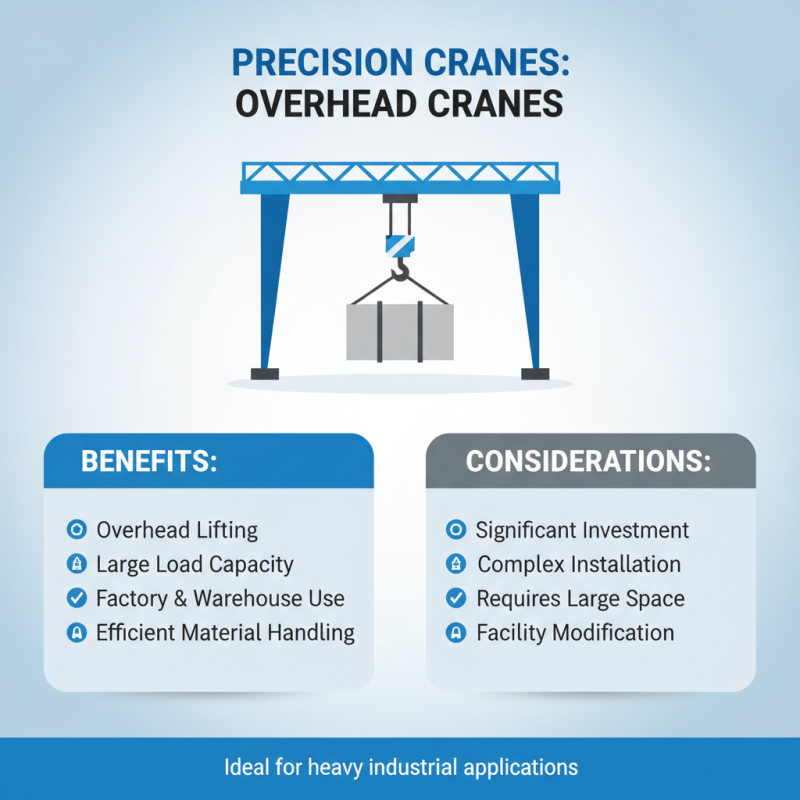
When choosing a precision crane, it's essential to understand the types available. Overhead cranes, for example, are great for factories and warehouses. They provide overhead lifting capabilities and can handle large loads with ease. However, they require a significant investment in installation and space.
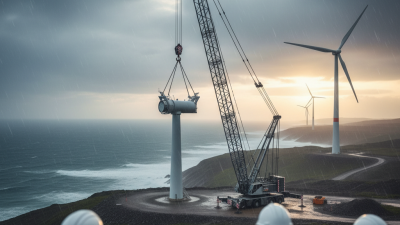
Another option is the mobile crane, known for its versatility. Mobile cranes can travel on-site and are ideal for construction projects. Yet, they may not be as precise under heavier loads. Keep in mind that the trade-off between mobility and stability is crucial. Consider the worksite's layout and if there’s enough space for proper operation.
Articulating cranes also offer flexibility with their multi-joint arms. They can navigate tight spaces, making them suitable for various applications. However, their reach is limited compared to traditional cranes. Users might find it challenging to balance precision and load capacity at times. Evaluating your specific project needs is vital for making an informed decision.
Assessing Your Project Requirements and Specifications
Choosing the right precision crane starts with a clear understanding of your project requirements. Consider the weight of the loads you intend to lift. This information helps narrow down options. For example, a light-duty crane might suffice for smaller components. However, heavy machinery will require a more robust solution.
Next, evaluate the working environment. Is it indoors or outdoors? Will space restrictions impact the crane's maneuverability? Think about dimensions carefully. Sometimes, cranes operate in tight spots. Additionally, assess the height of the lift. Knowing the maximum lift height required is critical.
Another essential factor is the frequency of use. Will the crane be in constant operation or used occasionally? Frequent use may justify a more durable model. However, training your team effectively is equally vital. A well-trained operator can safely maximize crane capabilities. Ultimately, a thorough evaluation of your project needs will lead to better decision-making. Reflecting on these aspects before choosing a crane can prevent costly mistakes later.
Evaluating Load Capacity and Reach for Optimal Performance
Choosing the right precision crane is essential for any project. Evaluating load capacity and reach is crucial for optimal performance. Start by determining the maximum load weight your project requires. Calculate the weight of all materials, including safety margins. Overestimating is better than underestimating. It prevents accidents and ensures the crane can handle various tasks.
Next, consider the reach of the crane. Analyze the working area. You need to know how high or far the crane must extend. Obstacles like buildings or trees can affect reach. Without proper assessment, you might face delays. Adjusting the crane’s placement later can be time-consuming and costly.
Remember to think about future needs. A crane with limited load capacity may work today but could become inadequate soon. Think about flexibility. Choosing a crane with a bit more capability allows for unexpected changes. Mistakes can happen in planning; it’s part of the process. Reflect on past projects to guide your decisions now.
Considering Safety Features and Compliance Standards
When selecting a precision crane, safety features and compliance standards play a crucial role. It's important to consider how these factors directly impact your project. For instance, look for cranes equipped with overload protection. This feature prevents the crane from lifting more than its rated capacity. A crane that lacks this can lead to accidents.
Compliance with local safety regulations is equally essential. Different regions have varying laws regarding crane operations. Failing to meet these standards may result in hefty fines or project delays. Always verify that the crane meets industry-specific guidelines. Checking for certifications can save you future headaches.
Additionally, consider the environment where the crane will be used. Outdoor conditions can influence safety. For example, windy weather can affect stability. You might need extra features like wind speed monitors. Reflect on your project's specifics and remember that even minor details can significantly impact safety and compliance.
Comparing Costs and Rental Options for Precision Cranes
When selecting a precision crane, costs and rental options play a crucial role. Recent industry reports indicate that rental rates can vary significantly. On average, renting a precision crane costs around $1,000 to $3,000 per day. Factors that influence these rates include crane type, capacity, and location.
It's essential to assess the specific needs of your project. For short-term projects, renting may be more economical than purchasing. However, for long-term use, buying could save costs over time. Bear in mind, maintenance can add up. This unpredictability in expenses can catch even experienced project managers off guard.
**Tips:** Consider negotiating rental prices. Industry surveys show a 15% discount potential when renting for extended periods. Always review the total costs, including insurance and transport. Understanding these elements will empower your decision-making. Lastly, effective planning can mitigate unexpected costs. Thinking ahead can save both time and money.
How to Choose the Right Precision Crane for Your Project Needs? - Comparing Costs and Rental Options for Precision Cranes
| Crane Type |
Load Capacity (tons) |
Rental Cost per Day ($) |
Purchase Cost ($) |
Best For |
| Mobile Precision Crane |
10 |
300 |
60,000 |
Construction Sites |
| Tower Crane |
20 |
600 |
150,000 |
High-Rise Buildings |
| Crawler Crane |
25 |
800 |
200,000 |
Heavy Lifting in Rough Terrain |
| Rough Terrain Crane |
15 |
500 |
120,000 |
Outdoor Construction Projects |
| Articulating Crane |
5 |
200 |
40,000 |
Urban Environments |