10 Essential Tips for Crane Picking Up Crane Operations?
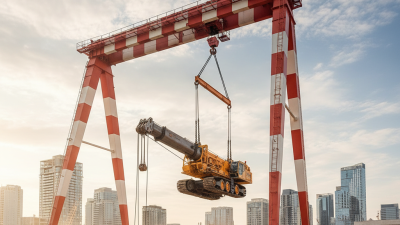
In the world of heavy machinery, the practice of "crane picking up crane" is both fascinating and complex. Industry expert John Tyler, a seasoned crane operator with over 20 years of experience, once stated, "Precision and safety are paramount in crane operations." His insight underscores the critical nature of performing these delicate maneuvers effectively.
Crane picking up crane involves not just skillful navigation but also a deep understanding of engineering principles. Operators must assess weight limits, load stability, and site conditions. A minor oversight can result in serious accidents.
Each lift presents unique challenges. Certain cranes may struggle under specific conditions, leading to potential hazards. Therefore, ongoing training and adherence to safety protocols are essential. The intricacies of crane operations remind us that success relies on experience and constant learning in this equipment-heavy industry.
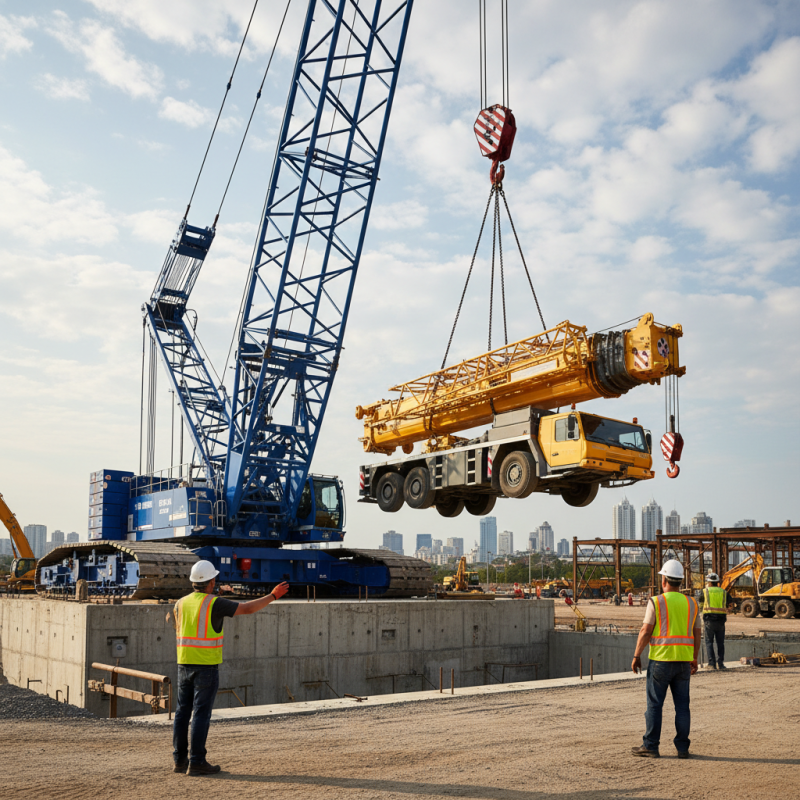
Understanding the Basics of Crane Operations and Safety Protocols
When it comes to crane operations, understanding the basics and established safety protocols is crucial. According to the U.S. Bureau of Labor Statistics, crane accidents resulted in 54 fatalities in 2020. With this statistic in mind, ensuring safety during crane operations is not just important; it is necessary.
One essential tip is to perform a thorough inspection before any lift. Check the crane's condition and make sure all safety devices are functional. Neglecting this step can lead to serious accidents. Another vital aspect is the communication between the crew members. Studies indicate that miscommunication is a leading cause of crane-related accidents. Establishing clear signals and using two-way radios can enhance overall safety during operations.
Proper training is another key element in crane operation safety. According to a report by the National Institute for Occupational Safety and Health, effective training can reduce accident rates significantly. Crane operators and signal persons should receive regular training updates. This consistent focus on education can keep everyone informed about new regulations and safety practices. Remember, safety protocols are there for a reason, and failing to adhere can lead to tragic outcomes.
Importance of Proper Crane Selection Based on Load and Environment
Proper crane selection is crucial for safe operations. Each task requires careful consideration of the load type and the environment. Heavy loads demand cranes with higher lifting capacities. Light loads, on the other hand, allow for more flexibility in crane choice. Operators should consider the weight, dimensions, and shape of the load. A crane that handles a load poorly risks accidents and damages.
Environmental factors also play a significant role. Wind speed, ground conditions, and space availability can impact crane performance. For example, operating in high winds poses risks even for well-rated cranes. If the ground is unstable, appropriate measures are essential to avoid accidents. The distance to the load influences the need for longer reach cranes. Often, this can lead to choosing an unsuitable model, risking efficiency and safety.
Experienced operators know the importance of assessing these factors during crane selection. However, mistakes can happen. Relying solely on specifications can lead to oversight. A thorough site assessment ensures the right crane choice. Engaging in discussion and consultation with experts can only enhance safety and effectiveness. Mistakes in selection can lead to costly delays and potential hazards on the job site.
Load Capacity vs. Environment Impact on Crane Operations
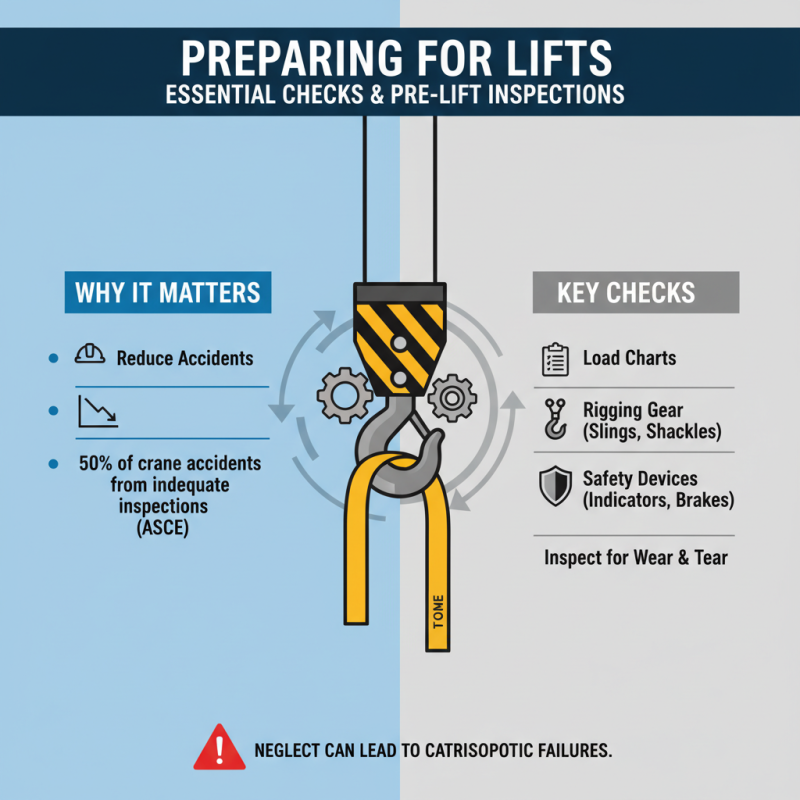
Preparing for Lifts: Essential Checks and Pre-lift Inspections
Preparing for lifts is crucial in crane operations. One of the most critical aspects is conducting thorough pre-lift inspections. According to the American Society of Civil Engineers, nearly 50% of crane accidents occur due to inadequate inspections. It’s essential to check load charts, rigging gear, and safety devices. Every component should be inspected for wear and tear. Neglecting these steps can lead to catastrophic failures.
A practical checklist can help reduce risks. Ensure all operators are certified. Verify that the crane's weight limits are well-understood. Operators should perform routine checks on mechanical systems and visual inspections of rigging. Even minor issues can escalate into dangerous situations. Recent data from industry reports indicates that improper rigging and load miscalculations are factors in 30% of serious crane incidents. Keeping records of inspections serves as proof of diligent safety practices.
Communication is essential. All team members must understand the lift plan. They should know their roles and responsibilities clearly. Regular training sessions can reinforce safety protocols. Despite best efforts, human error persists in the field. A culture of safety and accountability must prevail. The goal is to consistently improve and learn from past mistakes, ensuring safer work environments.
Techniques for Effective Communication During Crane Operations
Effective communication is vital during crane operations.
Proper coordination helps to prevent accidents and ensure safety. According to a report by the Bureau of Labor Statistics,
around 42% of crane-related fatalities involve
improper communication. This statistic highlights the need for clear dialogue among all team members.
One key technique is to establish a standard set of hand signals. These signals provide
non-verbal cues that everyone on site can understand. This method is particularly valuable in noisy environments.
Understanding the signals ahead of time minimizes confusion. Each crew member should practice these signals
regularly. Regular training sessions are essential to reinforce these skills.
Additionally, the use of two-way radios can enhance communication.
A study by the American Society of Safety Professionals indicates that effective radio use can reduce errors
by up to 30%. However, misuse of radios can lead to miscommunication.
It is crucial to establish clear protocols for radio use. Operators should strive for concise messages.
Avoid jargon to ensure everyone comprehends instructions clearly.
Best Practices for Load Handling and Stability During Lifts
Crane operations require precision and caution. Proper load handling is crucial to ensure safety and efficiency. One key aspect is the balance of the load. Loads should be evenly distributed to prevent tipping. An imbalanced load can lead to catastrophic failures. Operators must ensure that the load is properly rigged before any lift begins.
Communication is vital during crane operations. All team members must understand signals and commands. Miscommunication can result in accidents. It's also essential to monitor the environment. Wind, obstacles, and ground stability can all affect stability. Operators should assess these factors continuously. Regular training sessions for the crew can enhance awareness and improve practices.
During operation, it is important to avoid sudden movements. Fluid motions help maintain control. If the load swings or tilts unexpectedly, it can create panic. Operators should practice calming techniques in such cases. Additionally, always reevaluate the lifting plan if conditions change. Keeping a flexible approach can help mitigate risks. Reflecting on past experiences can foster better decisions in future lifts.
10 Essential Tips for Crane Picking Up Crane Operations
| Tip Number |
Tip Description |
Best Practice |
Importance |
| 1 |
Conduct Regular Inspections |
Inspect crane components and rigging before use. |
High |
| 2 |
Understand Load Dynamics |
Know how load weight affects stability and lifting. |
High |
| 3 |
Use Proper Rigging Techniques |
Ensure loads are rigged evenly to prevent imbalance. |
Medium |
| 4 |
Maintain Clear Communication |
Establish hand signals or use radios. |
High |
| 5 |
Account for Environmental Factors |
Consider wind, rain, and ground conditions. |
Medium |
| 6 |
Use Appropriate Crane for Load |
Select a crane that is suitable for the load type and weight. |
High |
| 7 |
Plan Lift Path Carefully |
Map out the lift path to avoid obstructions. |
Medium |
| 8 |
Monitor Load Position During Lift |
Keep an eye on the load to prevent swinging. |
High |
| 9 |
Provide Operator Training |
Ensure all operators are trained and certified. |
High |
| 10 |
Review and Adjust Safety Protocols |
Regularly update safety measures and procedures. |
High |