Exploring the Future: 2025's Largest Crane Innovations and Trends
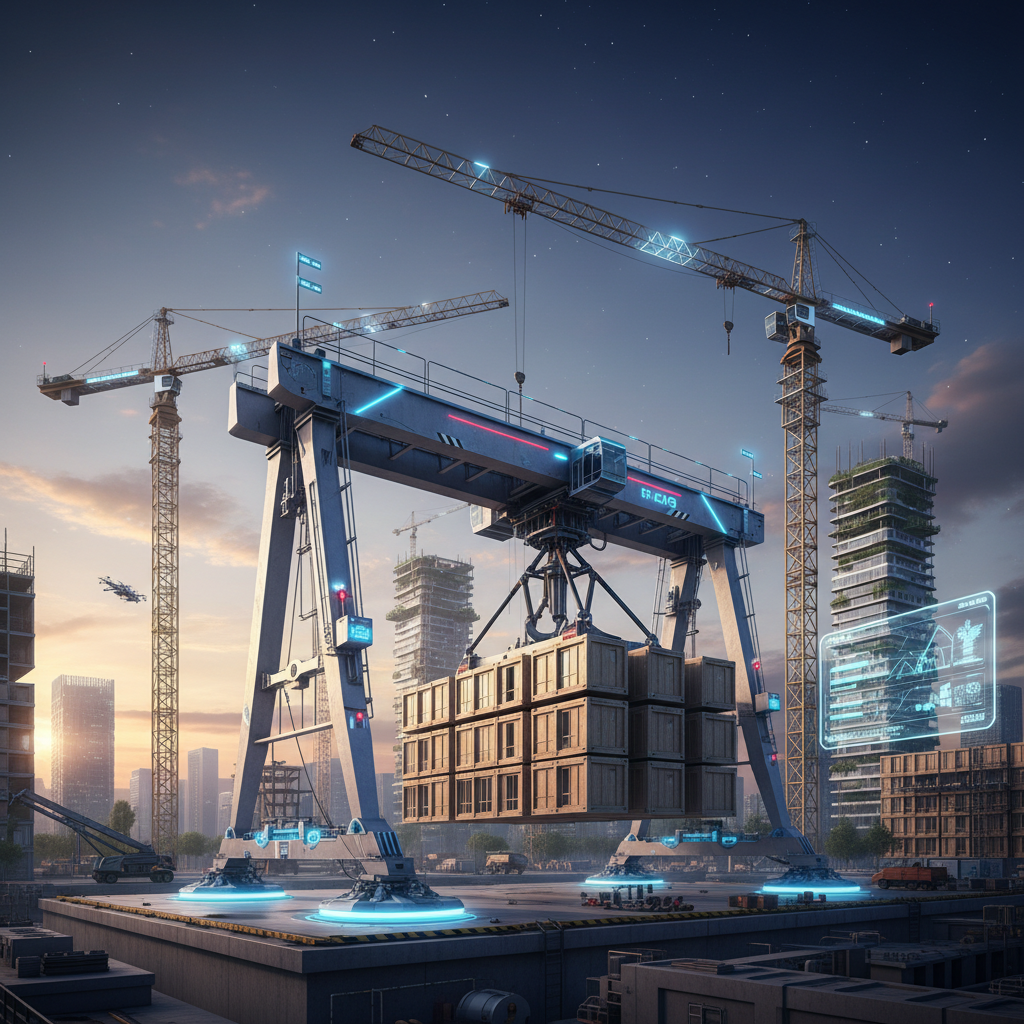
As we look ahead to 2025, the landscape of construction and heavy machinery is poised for remarkable advancements, particularly in the realm of cranes. The largest crane innovations are set to revolutionize the industry, bringing forth not only increased lifting capacities but also enhanced safety features and greater efficiency. This article delves into the anticipated trends that will define the future of crane technology, highlighting the role of digital integration and advanced engineering solutions.
With the demand for larger and more capable cranes, manufacturers are focusing on the fusion of traditional mechanics with cutting-edge technology. From smart sensors that monitor weight loads to automated systems that improve maneuverability, these innovations are changing how projects are executed. Additionally, sustainability practices are becoming more prevalent, influencing the design and operation of the largest crane models to minimize environmental impact.
In exploring these innovations, we will provide tips for industry professionals to stay ahead of the curve, ensuring they are prepared to adopt and adapt to the latest crane technology as it emerges. The future promises to be an exciting time for crane operation, filled with opportunities to enhance productivity and safety on job sites around the globe.
The Rise of Smart Crane Technology: Enhancements in Autonomy and Safety
The construction industry is on the cusp of a major transformation with the rise of
smart crane technology, set to dominate the landscape by
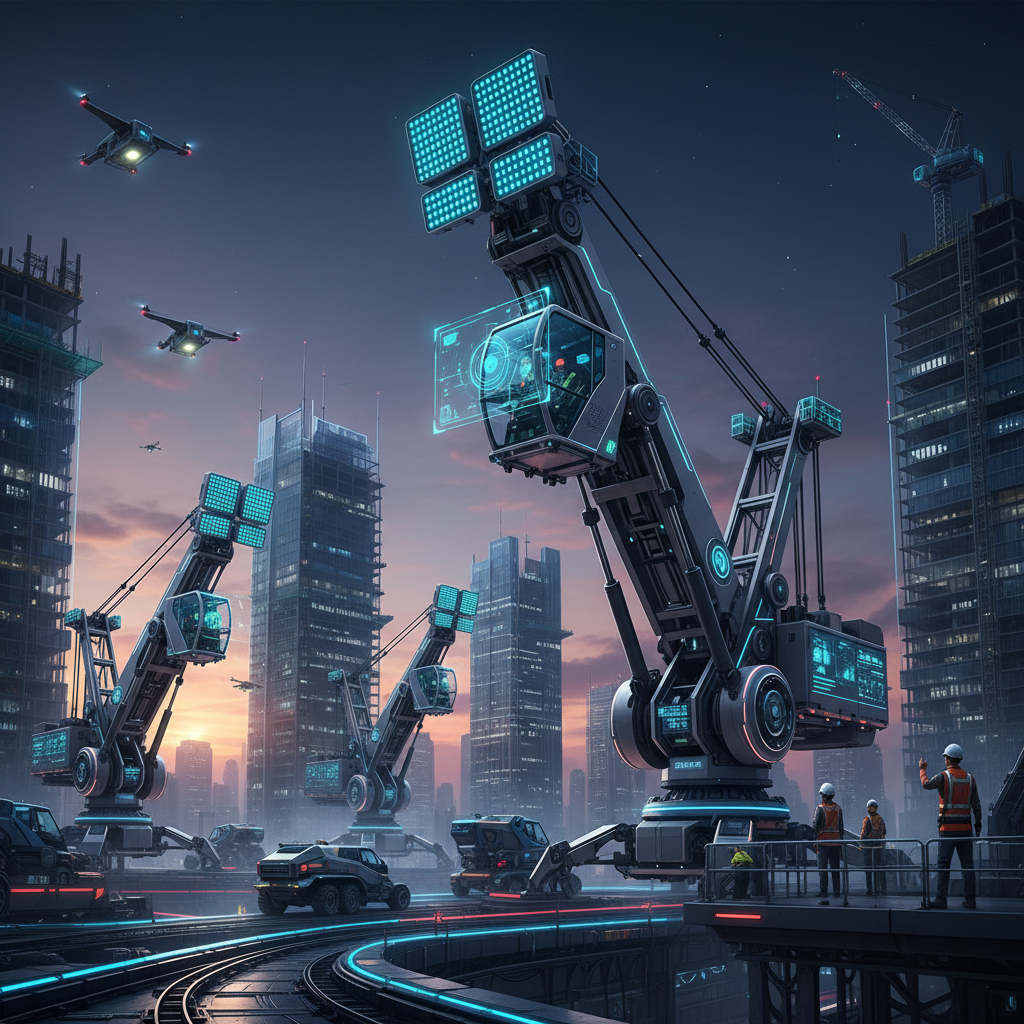
2025. These innovations focus on enhancing both autonomy and safety,
integrating advanced sensors and AI-driven algorithms to optimize crane operations.
Smart cranes can now predict and avoid potential hazards, ensuring a safer work environment while
increasing efficiency.
To maximize the benefits of these advancements, construction companies should consider
investing in training programs for their operators. Ensuring that your team is
well-versed in the capabilities of smart cranes can lead to better utilization of the technology.
Additionally, regular maintenance checks on these systems
are crucial to maintain their optimal functionality and safety features.
Moreover, embracing
data analytics in crane operations can provide insights
into performance patterns and potential risks. Companies can leverage this data to refine their processes,
ultimately leading to more effective project management. As smart crane technology continues to evolve,
staying informed about these trends will be essential for any
organization looking to thrive in the future of construction.
Sustainable Materials: Innovations in Eco-Friendly Crane Design
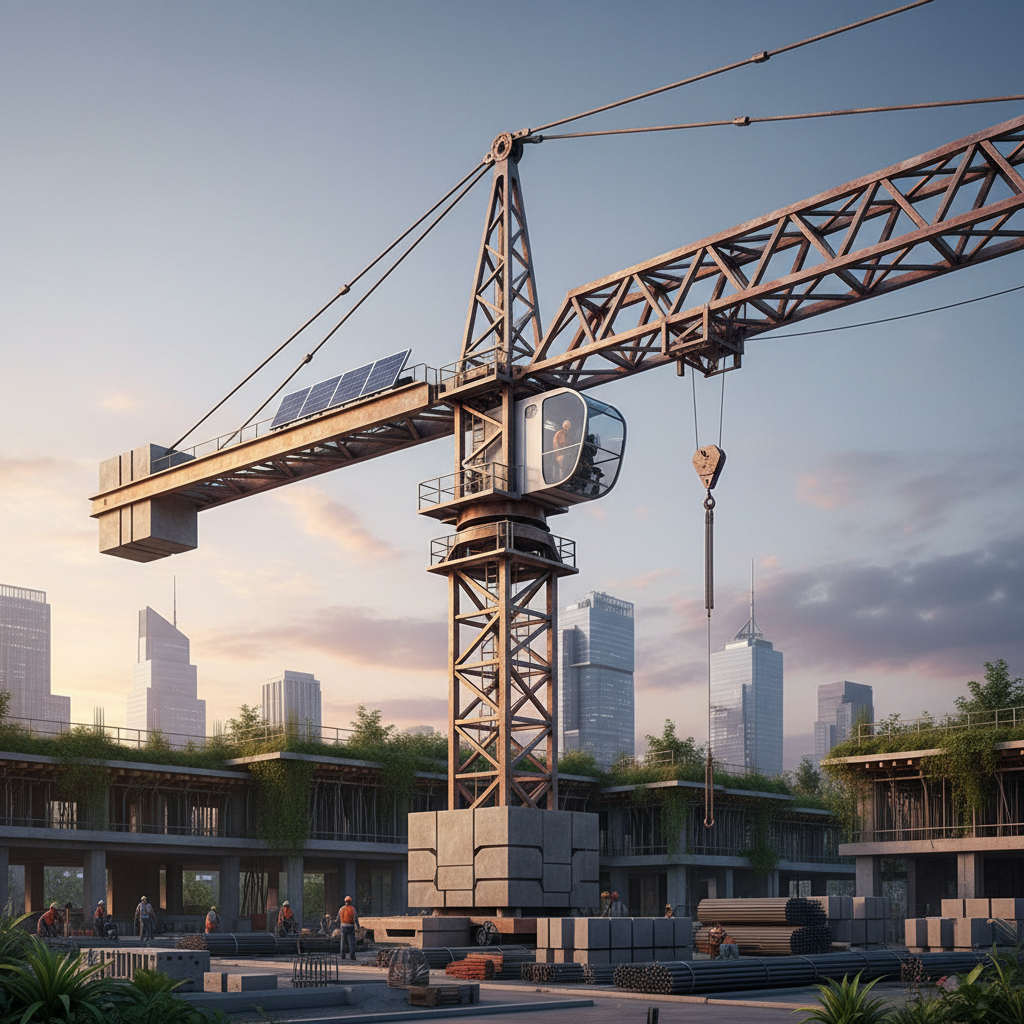
The crane industry is witnessing a significant shift towards sustainable practices, with innovative designs prioritizing eco-friendly materials as we head into 2025. One of the notable trends is the integration of low-carbon concrete and recycled steel in crane construction. These materials not only reduce the environmental impact by minimizing the carbon footprint but also utilize existing resources, eliminating the need for new production. This approach aligns with the broader shift in construction towards sustainability, ensuring cranes are built to last while being gentle on the planet.
Another exciting development is the application of 3D printing technologies in creating greener crane components. By allowing for unique designs and material combinations, 3D printing paves the way for more efficient use of resources and waste reduction. As the industry embraces these advancements, cranes will evolve from traditional heavy machinery into sophisticated, eco-friendly powerhouses, capable of contributing positively to sustainable construction practices worldwide. The upcoming years will undoubtedly reveal innovative solutions that further enhance the eco-friendliness of crane operations, driving the industry towards a greener future.
The Impact of AI and Machine Learning on Crane Operations
As we move toward 2025, the integration of AI and machine learning is set to revolutionize crane operations. Advanced algorithms can analyze vast amounts of data in real-time, optimizing lift plans, increasing precision, and improving overall safety. This technology not only enhances efficiency but also helps in predictive maintenance, ensuring that cranes are in peak condition and reducing downtime significantly.
**Tips for Adopting AI in Crane Operations:**
1. Start small by implementing AI solutions in specific areas before scaling up to full integration.
2. Train your team on the new technologies to maximize their potential and ensure smooth operations.
3. Regularly review the data outputs to adapt and refine the AI's algorithms for your specific operational needs.
Furthermore, drone technology and AI-driven sensors will enable operators to monitor job sites more effectively, identifying potential hazards and streamlining workflow. As the industry evolves, harnessing these innovations will be critical for companies looking to stay competitive and enhance their operational capabilities in an increasingly sophisticated landscape.
Exploring the Future: 2025's Largest Crane Innovations and Trends
This chart illustrates the projected impact of AI and Machine Learning on various aspects of crane operations by 2025, highlighting trends in efficiency, safety, and automation in crane technology.
Trends in Remote Crane Monitoring and Control Systems
The evolution of remote crane monitoring and control systems is set to revolutionize the crane industry by 2025. Enhanced by advancements in Artificial Intelligence (AI), these systems are transforming traditional overhead cranes into intelligent machines capable of autonomous operation. With the integration of AI, operators can remotely monitor crane performance and manage operations in real time, significantly improving operational efficiency and safety on construction sites.
In practice, this technology translates into seamless control capabilities. For instance, an engineer in a control room can effortlessly maneuver a substantial overhead crane with just a touch on a digital interface. This level of precision and control not only boosts productivity but also reduces the risk of human error, which has historically been a concern in heavy lifting operations.
As we look ahead, the adoption of these innovations in remote monitoring will be critical in shaping the future of crane operations, paving the way for smarter, safer, and more efficient construction practices.
Integration of Augmented Reality in Crane Training and Maintenance
The integration of Augmented Reality (AR) in crane training and maintenance is set to redefine the way operators engage with heavy machinery. According to a recent report by Markets and Markets, the global AR market is projected to grow from $15.3 billion in 2021 to a staggering $77.0 billion by 2025, reflecting a compound annual growth rate (CAGR) of 32.3%. This rapid advancement will enable crane operators to visualize real-time data and receive instant feedback, significantly enhancing their training experience and operational safety.
Implementing AR technology enables trainees to interact with lifelike holograms of cranes, providing a risk-free environment to master complex maneuvers. Additionally, maintenance teams can utilize AR tools to overlay diagnostic information onto the equipment, reducing downtime and improving repair accuracy. According to the Construction Industry Institute, companies that leverage AR technology can achieve up to a 30% increase in productivity and a reduction of errors related to maintenance procedures.
Tips for maximizing AR in crane training include ensuring that all operators engage with the technology regularly to enhance retention. Regularly scheduled AR sessions can also help in adapting to new model upgrades and improving troubleshooting skills. Encourage teamwork by allowing multiple trainees to collaborate in AR scenarios, promoting a comprehensive understanding of crane operations and associated risks.
Exploring the Future: 2025's Largest Crane Innovations and Trends - Integration of Augmented Reality in Crane Training and Maintenance
| Innovation/Trend |
Description |
Expected Impact |
Implementation Year |
| Augmented Reality Training |
Use of AR simulations for training crane operators, providing a hands-on learning experience. |
Improved operator training efficiency and safety. |
2025 |
| Remote Monitoring with AR |
Integration of AR with remote sensing technology for real-time monitoring of crane operations. |
Enhanced maintenance and reduced downtime. |
2025 |
| Safety Protocols Integration |
AR tools to overlay safety checks and protocols visibly on the machine. |
Reduction in workplace accidents and improved compliance. |
2025 |
| Predictive Maintenance |
Utilization of AR for visualizing and predicting equipment wear and tear. |
Increased reliability and lifespan of machinery. |
2025 |
| Enhanced User Interfaces |
Development of AR interfaces to simplify crane control and monitoring. |
Greater precision in operations and user engagement. |
2025 |