2026 How to Choose the Best Telescopic Crawler Crane?
Choosing the right telescopic crawler crane is essential for modern construction projects. These cranes combine advanced technology with versatility, allowing them to perform in various environments. Whether you're lifting heavy materials or navigating rough terrains, the right choice can significantly impact efficiency and safety.
When evaluating options, consider factors like load capacity, boom length, and operating range. A reliable telescopic crawler crane should ensure stability while maneuvering. It's important to analyze the manufacturer's reputation and post-purchase support. This equipment demands careful inspection and maintenance.
Many buyers overlook the importance of operator training and safety features. A well-trained operator can maximize the crane's capabilities while minimizing risks. Remember to explore user reviews and expert opinions on different models. This research helps in making informed decisions, ensuring your investment yields significant returns in the long run.
Understanding Telecopic Crawler Cranes: Key Features to Consider
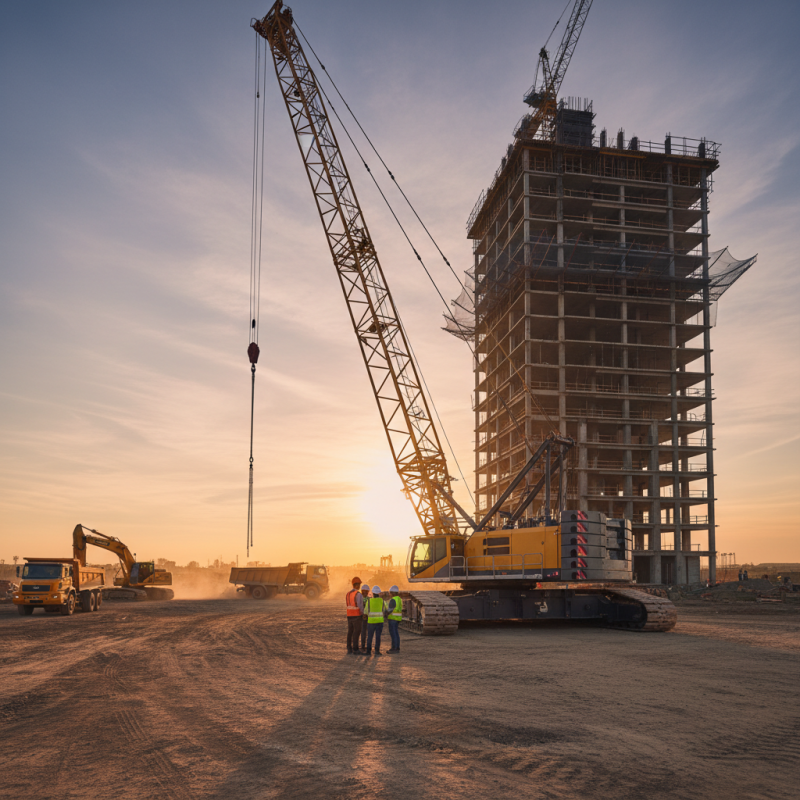
When selecting a telescopic crawler crane, understanding its key features is vital. The lifting capacity is a primary consideration, as it determines the weight the crane can handle. Ensure that the crane can meet or exceed your project’s requirements. A capacity that is too low can lead to accidents and project delays.
Another critical aspect is the crane’s reach. Telecopic cranes typically have a variable boom length, allowing for better versatility on construction sites. An optimal reach prevents the need for multiple setups. Additionally, look at the crawler design. Wider crawlers provide more stability on uneven terrain. However, they may limit access to tighter spaces.
Hydraulic systems play a significant role in the crane's performance. They impact its responsiveness and lifting speed. A crane with lagging hydraulics can slow down workflows. Regular maintenance can improve reliability but require a knowledgeable operator to spot issues early. Before making a decision, take time to evaluate the crane's features thoroughly. Adjustments can lead to improved efficiency but may involve trade-offs in other areas.
2026 How to Choose the Best Telescopic Crawler Crane?
This chart illustrates key features to consider when choosing a telescopic crawler crane, comparing the importance of various features based on industry needs.
Assessing Load Capacity and Stability Requirements for Your Projects
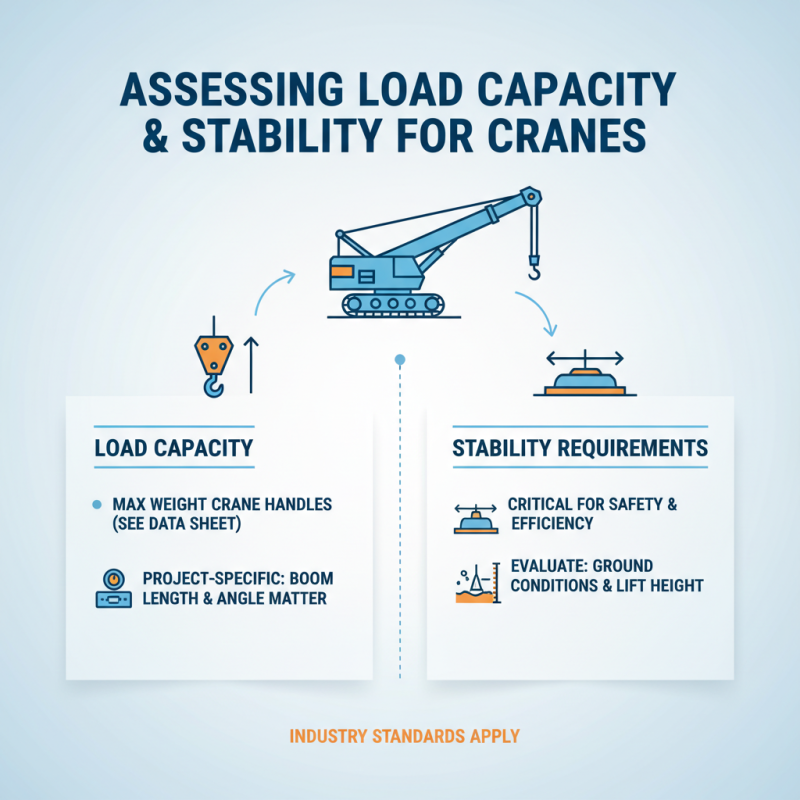
When selecting a telescopic crawler crane, assessing load capacity and stability is crucial. Load capacity determines how much weight the crane can handle. Most models provide data on maximum lifting capabilities. However, understand how this capacity translates to your specific project conditions. For instance, various factors like the boom length and angle influence the actual load that can be safely lifted. According to industry standards, a crane’s stability must be evaluated on both ground conditions and lift height. This ensures safety and efficiency in operations.
**Tip**: Always check the load chart. Use it to match your requirements with the crane’s specifications.
Stability is not just about weight. The ground surface and the crane setup also play vital roles. According to a 2022 industry report, 30% of crane accidents occur due to improper site preparation. Ensure the ground can support the crane’s weight and maximize its workload efficiency. Use outrigger mats if necessary. Take time to assess environmental factors too, including wind speed and nearby structures.
**Tip**: Conduct a thorough site survey. Identify any potential hazards before commencing operations. Being proactive can save time and resources later.
Evaluating Crane Reach and Versatility for Various Job Sites
When selecting a telescopic crawler crane, evaluating its
reach and
versatility is crucial. A crane's reach determines how far it can extend its boom.
This impacts its ability to perform tasks in various environments. For projects in confined urban spaces, a compact crane with a flexible reach is often ideal.
These cranes can maneuver easily and allow for efficient operation without sacrificing power.
Versatility is equally important. Consider a crane with multiple attachments. This flexibility can enhance productivity
across different job sites. Some tasks may require lifting heavy materials, while others need precise placements. A crane that can adapt to various situations provides significant advantages.
However, selecting a highly versatile model may come with increased costs. Reflecting on your budget is necessary.
It’s essential to assess the specific requirements of each project. Not every crane fits every situation. A model that works well in one context may perform poorly in another.
Gaining insights into past experiences can guide better decisions. Seek advice, consult experts, and research options thoroughly.
This approach allows for a well-informed choice that meets project demands effectively.
Analyzing Manufacturer Reputation and After-Sales Service Options
When selecting a telescopic crawler crane, analyzing manufacturer reputation is crucial. A strong reputation indicates reliability and quality. According to a recent industry report, 73% of construction professionals prioritize brands with a proven track record. Look for manufacturers with a background in innovative designs and durable products. Check customer reviews and ratings. This helps gauge the manufacturer's standing in the market.
After-sales service options greatly affect overall satisfaction. Strong support can reduce downtime and maintenance costs. A study found that 58% of crane users experienced decreased efficiency due to poor after-sales service. Evaluate warranty terms and available support services. Does the manufacturer offer regular maintenance checks? How responsive is their customer service? Assessing these factors can guide you to the right choice.
Transparency in service and parts availability is vital. Manufacturers should provide clear information regarding spare parts and support timelines. This transparency builds trust. In the end, a reputable manufacturer with robust after-sales support ensures that your investment in a telescopic crawler crane delivers long-term value.
Budgeting and Cost Considerations When Purchasing a Telescopic Crane
When considering the purchase of a telescopic crawler crane, budgeting is crucial. These machines vary significantly in price based on several factors. Features, lifting capacity, and reach play essential roles in determining costs. Additionally, consider the maintenance and operating expenses. These ongoing costs can impact your budget long-term.
Initial purchase costs may be tempting. Yet, overlooking additional expenses can lead to financial strain. Ensure to check warranties and service agreements. Some options may appear affordable but lead to higher overall expenses. It’s wise to acquire a crane that meets your specific needs without overspending.
Do your research before the purchase. Consulting experts can provide valuable insights. You might find the cheapest option isn't the best. A balance between cost and quality is necessary. Investing time into this process can yield long-term benefits.
2026 How to Choose the Best Telescopic Crawler Crane? - Budgeting and Cost Considerations When Purchasing a Telescopic Crane
| Feature |
Description |
Average Cost (USD) |
Key Considerations |
| Max Lifting Capacity |
The maximum weight the crane can lift |
$200,000 - $400,000 |
Determine the required lifting capacity for your projects |
| Boom Length |
Length of the extending boom arm |
$150,000 - $300,000 |
Consider job site space and height requirements |
| Mobility |
Ability to navigate various terrains |
$50,000 - $100,000 |
Assess ground conditions and transport needs |
| Safety Features |
Safety systems such as alarms and stabilization |
$20,000 - $50,000 |
Investigate compliance with safety regulations |
| Operator Comfort |
Ergonomics of the operator's cabin |
$10,000 - $30,000 |
Evaluate visibility, controls, and climate control |