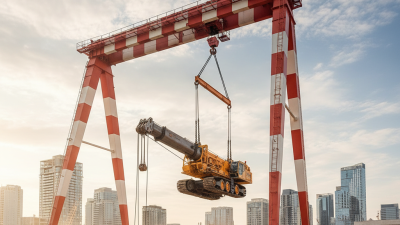
Why is a Crane Picking Up Another Crane Important for Efficiency?
Efficiency in construction hinges on innovative methods. One intriguing strategy is the concept of a crane picking up another crane. This approach can maximize productivity on a job site. It minimizes downtime and optimizes space, allowing crews to work more effectively.
The operation requires skilled professionals who understand the nuances of crane dynamics. Proper coordination is essential to ensure safety and efficiency. While the visual of one crane lifting another may seem excessive, it serves a purpose. It challenges conventional methods and initiates discussions on improvement.
However, this technique is not without its challenges. Operators must consider factors like weight limits and site conditions. Mistakes can lead to costly delays or safety incidents. Embracing new methods like crane picking up crane requires a careful balance of innovation and practicality. Each move demands consideration and reflection on best practices.

Importance of Crane Efficiency in Construction and Heavy Lifting
Crane efficiency plays a crucial role in improving productivity on construction sites. According to the Crane Industry Council of America, the efficiency of cranes can directly impact project timelines and costs. Reducing downtime by even 10% can lead to significant savings, amounting to thousands of dollars. An efficient crane setup enhances workflow, allowing multiple tasks to be performed simultaneously. This is particularly important in urban construction where space is limited.
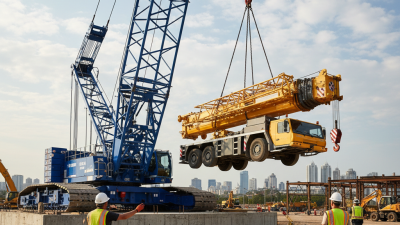
When one crane lifts another crane, it illustrates advanced coordination. It allows for heavier components to be placed quickly, ensuring projects adhere to schedules. However, not every site optimizes their crane usage. Mishaps and delays can occur due to improper training or inadequate planning. The International Journal of Construction Management reports that up to 20% of project delays are attributed to equipment inefficiencies.
Moreover, cranes contribute to worker safety. An efficiently operating crane reduces the risk of accidents, which can be costly. A study by the Occupational Safety and Health Administration (OSHA) indicates that improper crane operation can lead to serious injuries. Nonetheless, many workers lack comprehensive training. This gap reflects the importance of continual education and the need for standardized safety practices.
The Role of Cranes in Streamlining Construction Operations
The use of cranes is pivotal in the construction industry, enhancing operational efficiency significantly. Reports indicate that cranes can increase project productivity by over 30%. This capability allows teams to move heavy materials quickly, reducing time spent on manual labor. In cities with limited space, cranes streamline the layout of sites, enabling simultaneous work on multiple levels.
Cranes like tower varieties excel in urban settings. They lift materials high, fostering vertical construction. This is crucial as ground space becomes rare. A study revealed that utilizing cranes can cut down project delays by 20%. However, reliance on cranes can pose challenges. For example, delays in crane delivery or malfunction can halt progress. Addressing these concerns is essential for long-term efficiency.
Enhancing crane operational capacity remains a focus within the industry. There are discussions regarding automation and smart technologies integrated into crane systems. This could further improve precision in lifting operations. Operators must stay trained to handle advanced systems. The balance between innovation and practical experience is key for optimal efficiency.
Impact of Load-Sharing: Reducing Downtime with Crane Pairing
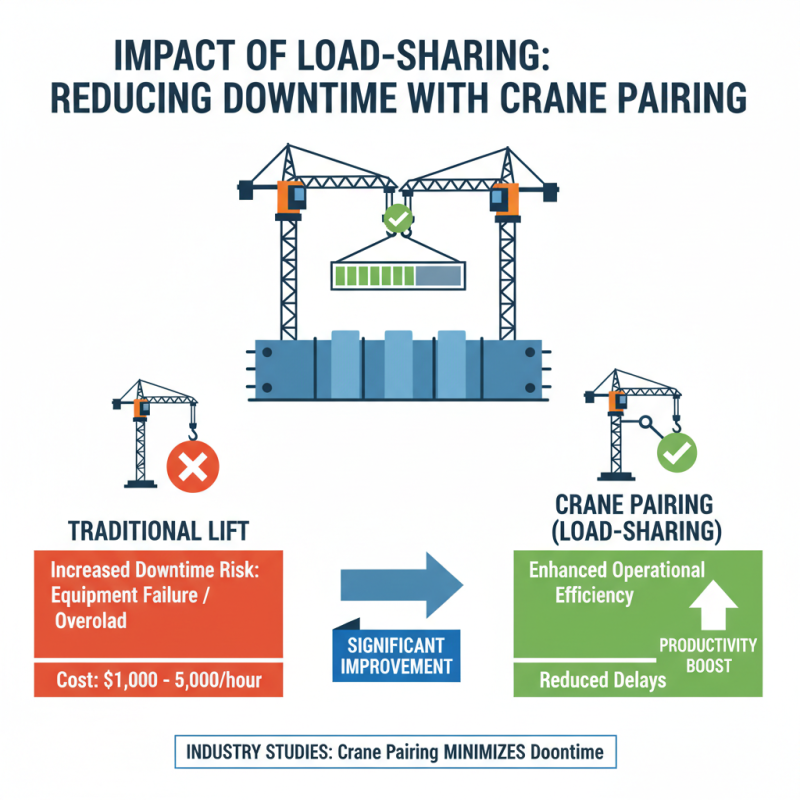
In the construction industry, crane pairing significantly enhances operational efficiency. Load sharing between cranes can reduce downtime. According to industry studies, downtime costs can range between $1,000 to $5,000 per hour. By using two cranes to lift a single load, workers minimize the risk of delays due to equipment failure or overload.
The impact of reducing downtime cannot be underestimated. Projects that efficiently utilize equipment can complete tasks up to 30% faster. For instance, two cranes working in tandem can distribute loads evenly. This reduces strain on individual machines and allows for longer operational periods. Operators report fewer mechanical failures when cranes share work.
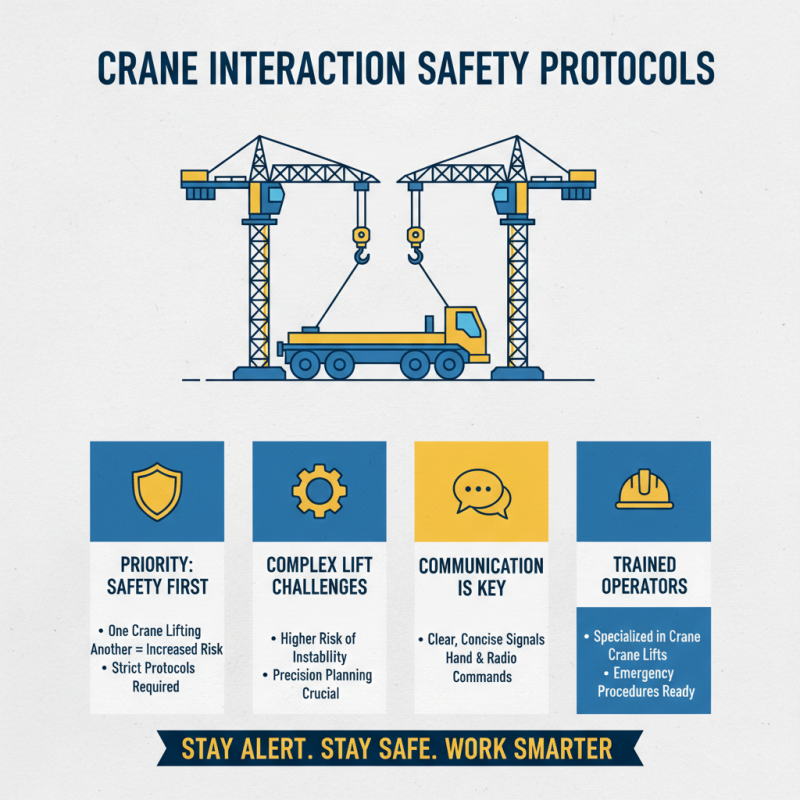
Moreover, using cranes for paired picking requires careful planning. Coordination is essential to avoid accidents. Poor communication can lead to mishaps, negating the efficiency gains. Operators must be well-trained to manage these scenarios. Balancing productivity with safety is a challenge that needs constant reflection and improvement. Adopting a crane pairing strategy highlights the importance of evaluating load conditions regularly.
Case Studies: Improved Project Timelines through Dual Crane Use
Using dual cranes can significantly enhance efficiency on construction sites. In recent case studies, projects that employed this technique reported a reduction in completion time by 20% to 30%. For instance, a high-rise building project in an urban area completed its core structure three weeks ahead of schedule by utilizing two cranes simultaneously. This strategy allowed for the quicker positioning of heavy materials, reducing downtime.
However, the deployment of dual cranes requires meticulous planning. Proper coordination among operators is essential to avoid accidents or inefficiencies. The American Society of Civil Engineers indicates that miscommunication in crane operations can lead to delays, sometimes stretching project timelines up to double. Regular training sessions and clear protocols can mitigate these risks.
**Tip:** Conduct a pre-project meeting with all crane operators to establish clear communication channels. Monitor the workflow closely to address any issues in real-time.
Another critical aspect is site layout. Cluttered or poorly planned sites hinder crane operation. Optimizing site layout can improve crane movement. Data shows well-organized layouts reduce operational delays by up to 25%. Operators should analyze the site frequently, adjusting as needed.
**Tip:** Implement a checklist for site preparation. Identify potential obstacles early to streamline crane operations. This practice can align the workflow better with project schedules.