Why Invest in Steel Plant Cranes for Your Business?
Investing in a steel plant crane can elevate your business operations significantly. These cranes are crucial for handling heavy materials in steel production. They improve efficiency and ensure safety in demanding environments. Choosing the right crane can be overwhelming. Different models serve various purposes. Understanding your needs is essential.
Quality steel plant cranes enhance productivity. They reduce the risk of accidents and delays. However, proper maintenance is often overlooked. Regular inspections ensure the crane operates safely. Ignoring maintenance can lead to costly downtime and repairs.
Incorporating steel plant cranes into your operations requires thoughtful planning. Consider the specific functionalities you need. Investing wisely can lead to long-term benefits. Reliability in such equipment builds trust within your team. It’s not just about lifting heavy loads; it’s about fostering a secure work environment.
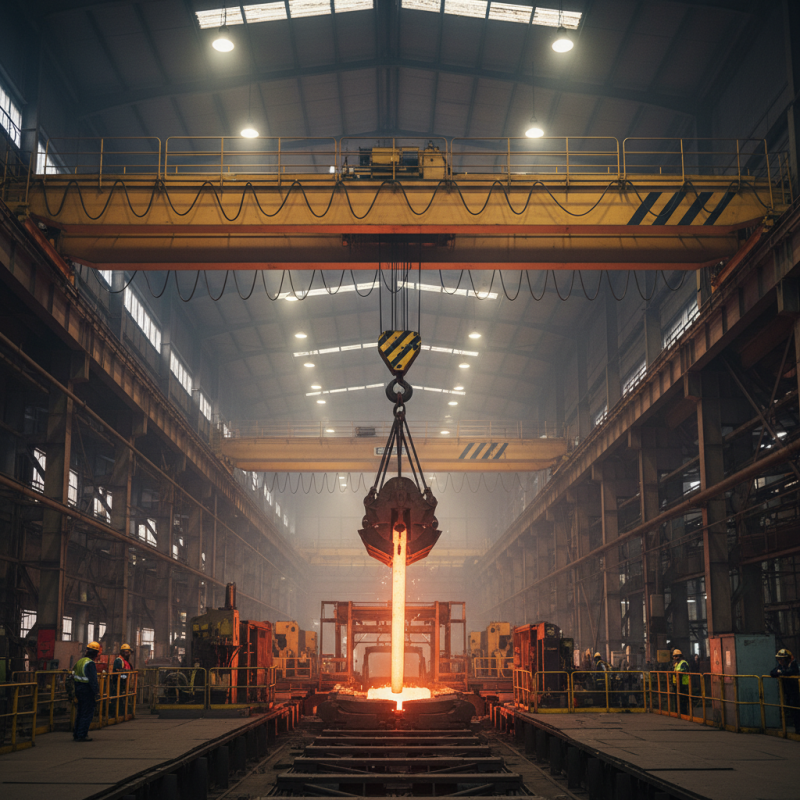
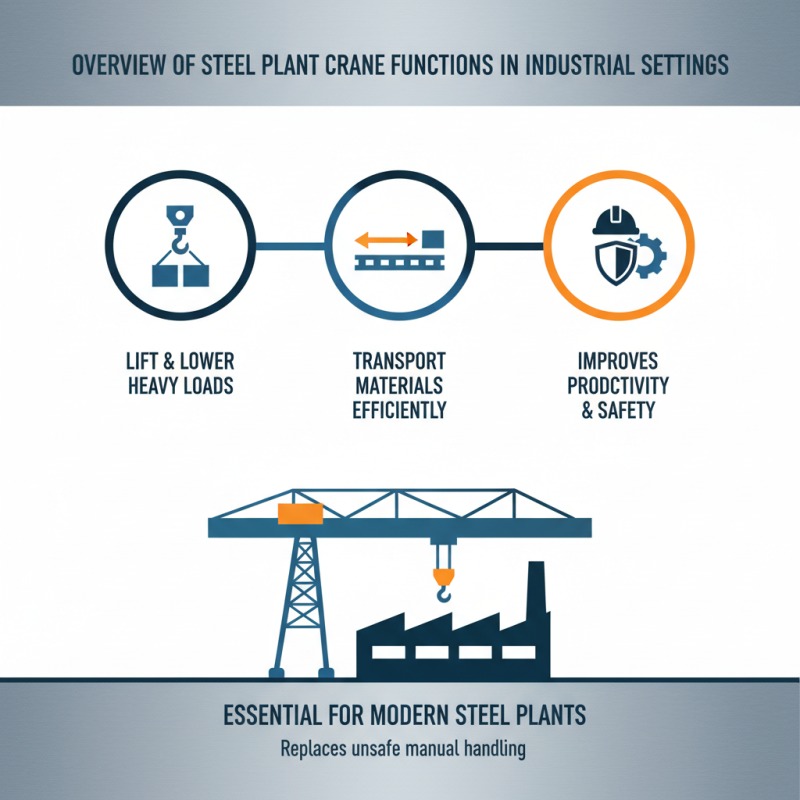
Overview of Steel Plant Crane Functions in Industrial Settings
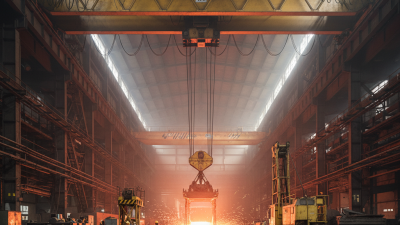
Steel plant cranes are essential for moving heavy materials efficiently. Their primary function is to lift, lower, and transport heavy loads within industrial settings. This capability improves productivity and safety. Workers can rely on these cranes to handle burdens that might be unsafe or inefficient to move manually.
In steel production, cranes manage various materials like steel coils, ingots, and scrap. They work in conjunction with other machinery, facilitating seamless operations. However, relying solely on automated processes may lead to a lack of human oversight. Operators must remain vigilant to prevent mishaps. Regular training for operators ensures they understand crane capabilities and limitations, enhancing safety and operational efficiency.
The installation of steel plant cranes also requires thoughtful planning. Businesses must assess their workspace and optimize crane placement for effectiveness. Improvements in crane design and technology can significantly affect performance. Yet, it is crucial to evaluate these advancements critically. Integration must align with safety regulations and workplace needs to ensure reliability in operations.
Economic Benefits of Investing in Steel Plant Cranes
Investing in steel plant cranes can yield significant economic benefits for businesses engaged in heavy manufacturing. These cranes enhance operational efficiency and productivity, which are crucial for meeting demanding industrial standards. With increased lifting capabilities, they reduce the need for multiple machines, leading to lower maintenance costs. A single crane can handle substantial loads, minimizing downtime and streamlining workflow.
The upfront investment in steel plant cranes may seem daunting. It's essential to consider the long-term returns. Over time, improved logistics reduce labor costs and optimize the use of space. Companies often find that the flexibility provided by cranes allows for better adaptation to production needs. They can quickly respond to changes in workload, addressing potential supply chain issues.
While the advantages are clear, it’s important to evaluate your specific operational needs. Not every facility requires the largest or most sophisticated crane available. Assessing current and future projects can aid in choosing the right equipment. This careful consideration ensures that investments remain aligned with business growth and sustainability goals. However, failure to properly assess needs might lead to overspending or underutilization. Embracing a strategic approach can maximize the benefits of integrating steel plant cranes into your operations.
Why Invest in Steel Plant Cranes for Your Business? - Economic Benefits of Investing in Steel Plant Cranes
| Dimension |
Value |
| Initial Investment Cost |
$250,000 |
| Average Annual Maintenance Cost |
$10,000 |
| Annual Operating Hours |
2,000 hours |
| Expected Lifespan |
20 years |
| Increased Productivity (%) |
15% |
| Reduction in Labor Costs (%) |
20% |
| Return on Investment (ROI) |
8% annually |
| Safety Improvement (%) |
30% |
Safety Enhancements Through Modern Steel Plant Crane Technology
In today’s steel industry, safety is paramount. Modern crane technology offers essential enhancements to ensure safer operations. Advanced features such as anti-collision systems can significantly reduce the risk of accidents. These systems provide real-time data, improving situational awareness for operators. This technology helps prevent mishaps that can lead to injuries or equipment damage.
Another critical aspect is the ergonomic design of newer cranes. Operators face less physical strain when using these machines. This design reduces fatigue, promoting longer, safer working hours. However, it is worth reflecting on the need for proper training. Even the best technology cannot replace knowledgeable, skilled operators. Regular training sessions are necessary to maximize safety benefits.
Moreover, while modern cranes can increase safety, they come with a learning curve. Teams must adapt to these new systems. Transitioning to advanced technology can feel overwhelming. It is crucial for businesses to invest in support and guidance during this period. Balancing technology and human expertise is vital for creating a truly safe environment.
Why Invest in Steel Plant Cranes for Your Business?
The following chart illustrates the safety enhancements provided by modern steel plant crane technology, comparing the incident rates of traditional cranes versus advanced models.
Industry Growth Projections and Demand for Steel Plant Cranes
The demand for steel plant cranes is rising as industries expand. Recent growth projections indicate a steady increase in steel production globally. This surge indicates a need for efficient lifting solutions in manufacturing settings. Companies aim to maximize productivity while ensuring safety in material handling.
Investing in steel plant cranes can greatly enhance operational efficiency. These machines are designed for heavy loads and high speeds. With the right equipment, businesses can reduce downtime and improve workflow. However, choosing the right crane can be challenging. It requires understanding specific operational needs and site conditions.
Reliability is crucial in selecting a crane. Poor-quality equipment can lead to accidents or costly repairs. Regular maintenance also plays a key role in ensuring the longevity of the cranes. As industries innovate, staying informed about the latest technologies will help businesses make wise investments. It's not just about the initial purchase; it's about long-term value.
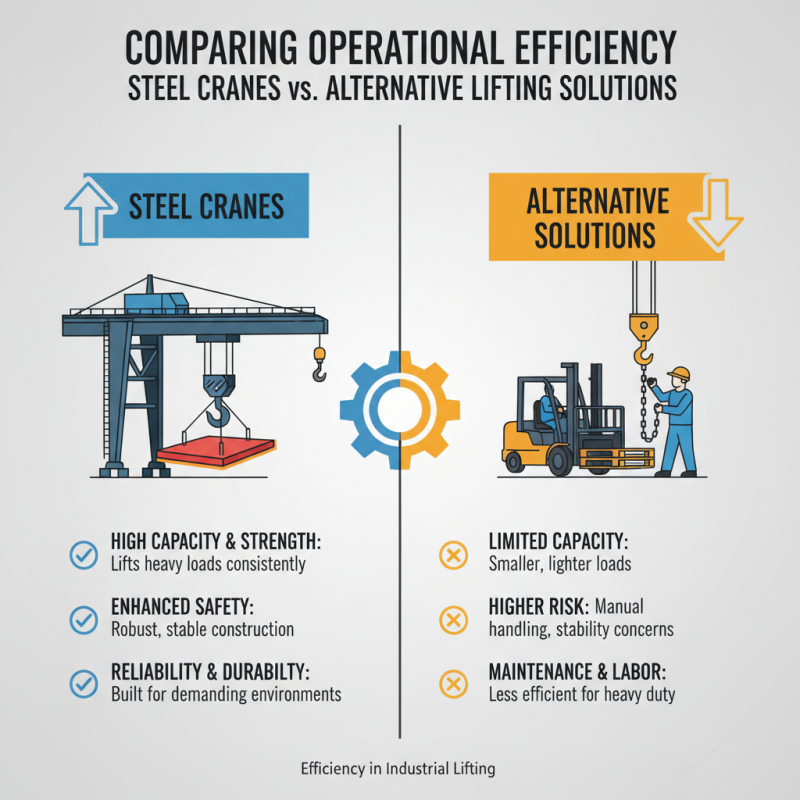
Comparing Operational Efficiency: Steel Cranes vs. Alternative Lifting Solutions
When it comes to lifting solutions in industrial operations, efficiency is vital. Steel plant cranes provide significant advantages over alternative methods. These cranes are designed to handle heavy loads consistently and reliably. Unlike forklifts or manual hoists, steel cranes offer greater lifting power without compromising safety. Their robust construction allows for higher load capacities, making them suitable for demanding environments.
Furthermore, operational efficiency is also influenced by speed and precision. Steel cranes move smoothly along tracks, minimizing delays and ensuring quick turnaround times. While alternatives may require more manual intervention, cranes can be operated with ease, allowing for better workflow management. Not every business needs a steel crane, yet many overlook their benefits. For those handling heavy materials regularly, investing can lead to significant time savings.
Cost is another consideration. Steel cranes represent an upfront investment, but they often prove more economical in the long run. This durability can reduce repair and replacement costs over time. It’s essential to evaluate whether cheaper options offer the same reliability and longevity. The challenge is balancing initial costs against potential savings achieved through increased efficiency and productivity. Investing in the right lifting solution requires careful reflection on your needs and operational goals.