What is a Lattice Boom Crane and How Does it Work?
A lattice boom crane is a vital machine in the construction industry. It features a long, lattice-structured arm, which provides strength and stability. This design allows it to lift heavy loads with precision. Understanding how a lattice boom crane operates is essential for safe and efficient construction.
The crane has many moving parts. Operators must have experience and technical knowledge to handle it correctly. Using a lattice boom crane requires careful planning and execution. Small errors in operation can lead to significant problems. Therefore, training and safety measures are crucial.
Its versatility is impressive. The lattice boom crane can navigate tight spaces and handle various loads. However, its complexity is a double-edged sword. Operators must continuously refine their skills to adapt to changing job site conditions. As with any machinery, constant vigilance is necessary to prevent accidents and ensure reliability.
What is a Lattice Boom Crane?
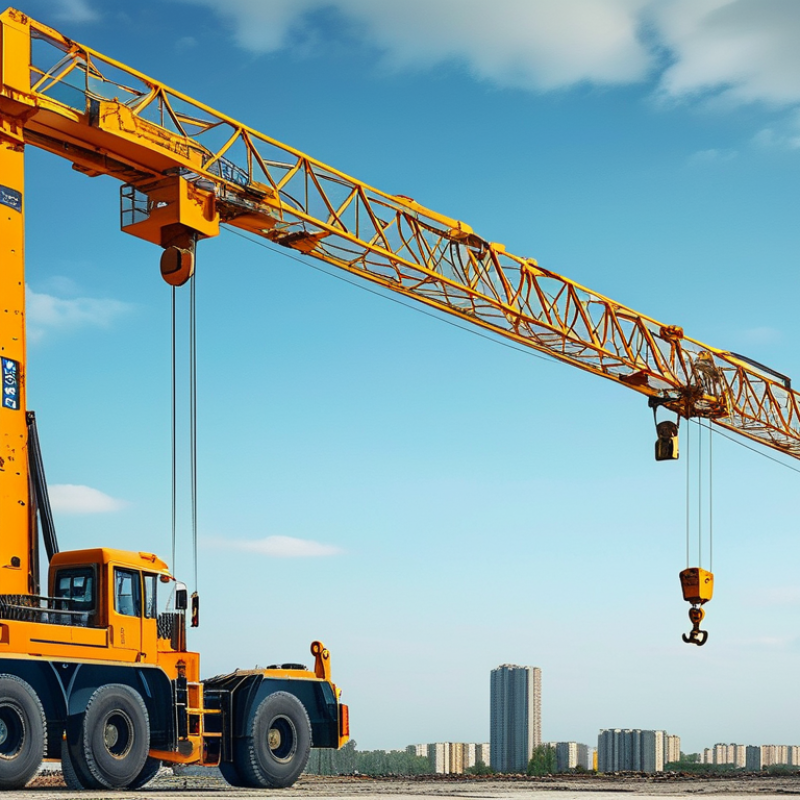
A lattice boom crane is a type of construction equipment known for its unique structure. It features a long, lattice-like arm made from steel sections. This design allows for exceptional strength while keeping the weight manageable. The boom can extend to great heights and lengths, making it ideal for lifting heavy materials, like steel beams or precast concrete. Each section of the boom is connected, allowing for flexibility in placement and operation.
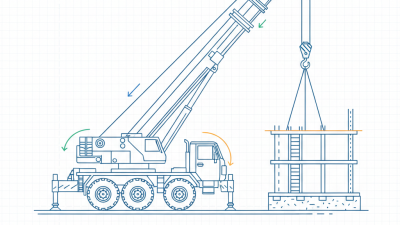
The crane operates using a series of pulleys and hydraulic systems. When the operator raises the boom, the weight is distributed evenly. This balance reduces the risk of tipping over during operation. However, using a lattice boom crane requires skilled operators. They must understand weight limits and proper rigging techniques to ensure safety. This equipment is often seen on construction sites, emphasizing the importance of clear communication and team coordination. Mistakes can lead to dangerous situations, reminding us why proper training is crucial in the industry.
What is a Lattice Boom Crane and How Does it Work?
| Feature |
Description |
| Definition |
A lattice boom crane is a type of crane that features a lattice structure, which provides strength while minimizing weight. |
| Structure |
Composed of interlocking steel bars that create a triangulated framework. |
| Usage |
Commonly used in construction, mining, and heavy lifting applications. |
| Capacity |
Can lift loads ranging from a few tons to several hundred tons, depending on the model. |
| Operation |
Operated using a combination of hydraulic systems and mechanical controls. |
| Advantages |
High lifting capacity, stability, and versatility in various job sites. |
| Limitations |
Requires a large operational footprint and can be less maneuverable than other crane types. |
Key Components of a Lattice Boom Crane
Lattice boom cranes are an essential piece of machinery in construction. They are designed for heavy lifting and can operate in various settings. Their key components include the boom, hoist, rigging, and undercarriage. Each part plays a vital role in ensuring efficiency and safety.
The boom is the long arm that extends to reach high places. It is made up of a series of interconnected lattice structures, which provide strength without excessive weight. This design allows for greater flexibility and mobility on sites where space is limited. The hoist mechanism is responsible for lifting and lowering loads. It relies on powerful motors and pulleys to handle heavy weights. Proper maintenance of this system is crucial to avoid failures.
Rigging includes the ropes, chains, and slings that secure the load. It must be perfectly configured to ensure stability during lifts. The undercarriage provides support and mobility. It consists of tracks or wheels that must be regularly checked for wear and tear. Operators should continually assess the crane’s functionality and address issues promptly. Regular training sessions for crew members can mitigate risks and enhance operational safety.
Mechanics of Lattice Boom Crane Operation
A lattice boom crane is a crucial tool on construction sites. Its design consists of a series of interconnected triangles, providing strength and stability. This type of crane can extend its height and reach with ease, making it effective for various lifting tasks.
The mechanics of a lattice boom crane involve several key components. The boom is the primary lifting arm, which is raised or lowered using pulleys and cables. As the boom extends, the lattice structure allows it to bear heavy loads without collapsing. Operators must manipulate the crane’s controls with precision. Understanding the balance of the load is essential for safe operation.
Always check the load limits before lifting. Load should be within specified weight ranges. It's also important to ensure that all rigging is secure. During operations, be attentive to the surroundings. Watch for overhead hazards and potential obstacles. Regular inspection of the crane is necessary. Look for wear and tear on cables and connections. Keeping a maintenance schedule ensures safe lifting operations.
Applications of Lattice Boom Cranes in Construction
Lattice boom cranes play a vital role in the construction industry. These cranes are known for their high lifting capacity and versatility. They are designed to handle heavy materials, making them indispensable on large job sites. According to a report by the Global Construction Industry Outlook, the demand for lattice boom cranes is expected to grow by 5.5% annually through 2025. This growth is driven by increased infrastructure projects and the need for efficient equipment.
One significant application of lattice boom cranes is in bridge construction. Their ability to extend and reach considerable heights is crucial when lifting beams and girders. In high-rise developments, they help position materials accurately on upper floors. The cranes are also employed in offshore construction projects, where stability and strength are paramount. A recent study noted that about 70% of infrastructure projects utilize some form of crane technology, highlighting their importance in construction efficiency.
While lattice boom cranes are powerful, they require skilled operators. Mistakes can lead to delays and increased costs. Training programs are essential to ensure safety and operational competency. According to industry experts, approximately 30% of crane accidents are linked to operator error. Such statistics emphasize the need for continuous evaluation and improvement in crane operation practices. Adopting rigorous training protocols can mitigate risks associated with their use.
Safety Considerations When Using Lattice Boom Cranes
Lattice boom cranes are essential in construction. However, safety is paramount when operating these machines. Operators must undergo thorough training. Understanding each component of the crane reduces risks. Regular maintenance is equally important. A well-maintained crane minimizes the chances of accidents.
Working at heights presents unique dangers. Ensure that the work area is clear of unauthorized personnel. Establishing safety protocols helps protect workers. Using proper safety gear can prevent injuries. Inspecting rigging and supports is crucial before lifting operations. Identify any potential hazards in advance.
Being aware of weather conditions is vital. High winds can affect stability. Operators should monitor forecasts regularly. Adapting to environmental changes can prevent accidents. Emergency plans must be in place. Each team member should know their role in emergencies. Frequent safety drills can reinforce these plans and ensure everyone is prepared.