What is a Lattice Boom Crane and How Does It Work in Construction
In the dynamic world of construction, the lattice boom crane emerges as a pivotal piece of machinery that plays an essential role in lifting and moving heavy materials. According to industry expert John Stevens, a seasoned crane operator with over 20 years of experience, "The lattice boom crane's design allows it to reach remarkable heights while maintaining stability, making it indispensable for complex construction projects." This intricate structure not only enhances efficiency but also ensures safety on job sites where precision and strength are paramount.
The lattice boom crane, characterized by its distinctive lattice framework, offers significant advantages over traditional cranes. Its lightweight yet robust design allows for greater flexibility and maneuverability. As projects become more ambitious and scale increases, understanding how a lattice boom crane operates is crucial for construction professionals. This introduction will explore the mechanical workings, operational techniques, and applications of this versatile crane type, shedding light on its impact on modern construction practices. With insights from seasoned experts, we aim to provide a comprehensive overview that highlights the importance of lattice boom cranes in transforming the construction landscape.

What is a Lattice Boom Crane?
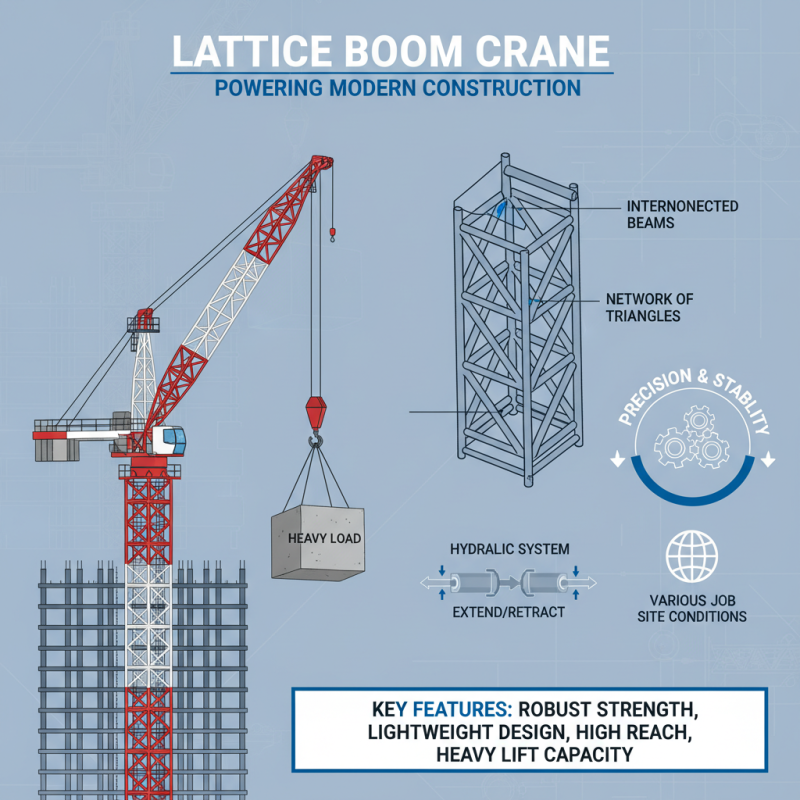
A lattice boom crane is a type of heavy lifting equipment often employed in construction and industrial applications. It is characterized by its distinctive lattice structure, which consists of a network of interconnected beams that create a lightweight yet strong framework. This design allows for extended reach and heavy load capacity while maintaining stability during operations. Lattice boom cranes typically feature a boom that can be extended and retracted, providing versatility for various lifting tasks.
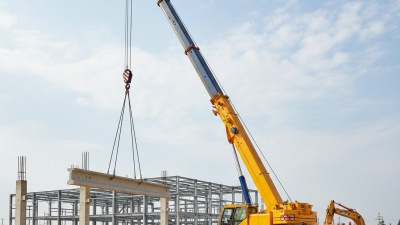
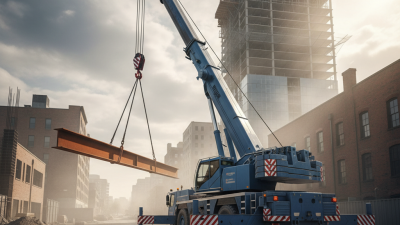
The operation of a lattice boom crane involves rigging the load to be lifted onto a hook or other attachment at the end of the boom. The crane's operator uses a series of controls to maneuver the boom, raising and lowering it as needed. The lattice design helps distribute the load evenly, reducing the risk of structural failure. Due to their size and compatibility with multiple lifting attachments, lattice boom cranes are suitable for tasks like
erecting steel structures, lifting heavy machinery, or placing materials in hard-to-reach areas on construction sites. Their efficiency and capability make them invaluable assets in modern construction projects.
Key Components of a Lattice Boom Crane
A lattice boom crane is a powerful piece of equipment widely used in the construction industry for lifting heavy loads at various heights. The key components of a lattice boom crane include the boom, which provides the primary lifting capability, and the base, which ensures stability during operation. The lattice structure of the boom, typically made from high-strength steel, provides a combination of lightness and strength, allowing the crane to reach greater heights while maintaining the ability to lift significant weights.
One of the crucial features of a lattice boom crane is its counterweight system, which helps to balance the crane and prevent tipping during operation. According to the American Society of Civil Engineers (ASCE), a well-designed counterweight system is essential for ensuring safety and efficiency on construction sites, especially in urban environments where space is limited. Additionally, the operational efficiency of these cranes is enhanced through their rigging systems, which are designed to facilitate quick adjustments for various lifting tasks.
Safety systems are another key component of lattice boom cranes, as they are equipped with limit switches and overload protection mechanisms. These systems monitor the crane's performance and provide warnings to operators if the equipment exceeds safe operating limits. Reports from the Occupational Safety and Health Administration (OSHA) indicate that proper rigging and safety measures can reduce the risk of accidents, emphasizing the importance of understanding the crane’s components and their functions for successful and safe construction operations.
Lattice Boom Crane Load Capacities in Various Construction Scenarios
Mechanism of Operation in Construction
A lattice boom crane is a pivotal piece of equipment in the construction industry, designed for lifting heavy loads with precision and stability. The mechanism of operation primarily hinges on its unique lattice structure, which consists of interconnected beams forming a network of triangles. This construction not only provides robust strength but also keeps the crane lightweight, allowing it to maneuver easily in various job site conditions. The boom can extend and retract thanks to hydraulic systems, which facilitates the crane's ability to reach high elevations and access hard-to-reach areas on construction sites.
The operation of the lattice boom crane is controlled through a sophisticated system of pulleys and winches, enabling the operator to lift and lower loads efficiently. The operator utilizes a cabin equipped with levers and controls to manipulate the crane's movements—this includes the boom's angle and the load's height. The hydraulic power ensures smooth and responsive action, crucial for adjusting the load's position while maintaining safety standards. Furthermore, the crane's stability is enhanced by its counterweights, which balance the load and prevent tipping during operation. This careful engineering allows for versatility in lifting and transporting materials, making the lattice boom crane an indispensable tool in modern construction projects.
Applications of Lattice Boom Cranes in the Industry
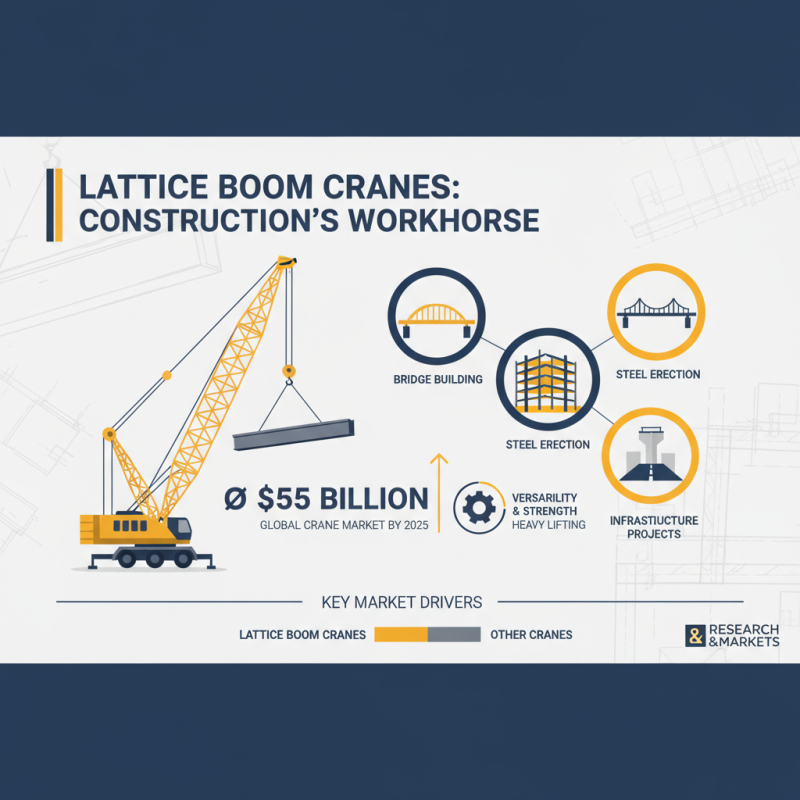
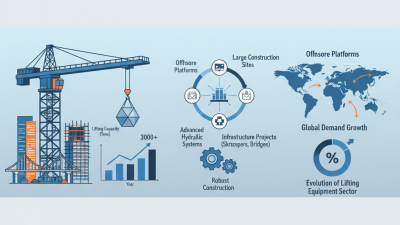
Lattice boom cranes play a vital role in various sectors of the construction industry, owing to their versatility and strength. These cranes are commonly employed in heavy lifting operations, including steel erection, bridge building, and large-scale infrastructure projects. According to a report from Research and Markets, the global crane market is projected to reach $55 billion by 2025, with lattice boom cranes accounting for a significant portion due to their capacity to handle various loads and adapt to diverse project requirements.
In industrial applications, lattice boom cranes are particularly valuable in sectors such as oil and gas, mining, and renewable energy. They are ideal for lifting heavy equipment and materials in challenging environments, often found on construction sites or off-shore platforms. For example, the increased focus on renewable energy has led to a surge in the use of these cranes for the installation of wind turbines, which require precise lifting capabilities. The Cranes Forum states that the demand for lattice boom cranes in this area has grown by nearly 30% in recent years, reflecting a trend towards sustainable construction practices that necessitate robust lifting solutions. As projects become more ambitious and complex, the presence of lattice boom cranes is expected to remain pivotal across the industry.
Advantages and Limitations of Lattice Boom Cranes
Lattice boom cranes are a popular choice in construction due to their distinctive design and functionality, which offer both advantages and limitations. One of the primary advantages of lattice boom cranes is their exceptional lifting capacity, making them ideal for heavy construction projects. The lattice structure provides strength while keeping the overall weight of the crane relatively low, which enhances stability and maneuverability on site. Additionally, their long reach allows them to handle large loads over significant distances, which is particularly useful in urban environments where space is constrained.
However, lattice boom cranes come with limitations as well. Their configuration requires a substantial amount of setup time and a larger footprint compared to other crane types, which can be a disadvantage on projects with tight timelines or limited space. Furthermore, the lattice design may result in increased visibility obstructions for operators, potentially complicating their operation in crowded job sites.
Tips: When using a lattice boom crane, ensure that all safety protocols are strictly followed, which includes conducting thorough inspections before use. Operators should also maintain clear communication with ground crews to prevent accidents and streamline operations. Furthermore, plan the crane's positioning carefully to maximize its reach and efficiency while minimizing the impact on surrounding structures and equipment.