What Is a Steel Plant Crane and How Does It Work?
A steel plant crane is more than a large machine moving heavy steel. It is a controlled system working above furnaces, rolling lines, and storage bays. Its bridge travels along runway rails, while the trolley moves across the bridge. The hoist then raises or lowers the load with measured force. Steel coils, ladles, slabs, and scrap can weigh many tonnes. Precision matters.
As crane engineer John W. Garrison explains, “A crane is only as dependable as its inspection, operation, and maintenance.” That principle shapes every reliable steel plant crane. Motors provide movement, brakes control stopping, and limit switches help prevent dangerous overtravel. Operators also rely on pendant controls, radio systems, cameras, and load indicators. These details may appear ordinary. They are not.
Heat, dust, vibration, and metal splashes create demanding conditions. A crane’s electrical cabinets need protection. Its wheels and rails require regular checks. Wire ropes, hooks, brakes, and drum grooves cannot be judged by appearance alone. Experienced maintenance teams look for unusual noise, uneven motion, heat marks, and small cracks. Those clues often appear before a failure.
The subject is sometimes explained too simply. A steel plant crane does not merely lift and carry. It coordinates structure, power, controls, people, and procedures. Even advanced equipment can perform poorly when inspections become routine paperwork. That is an uncomfortable point, but it deserves attention. Understanding how each part works helps engineers, supervisors, and operators make safer decisions around molten metal and extreme loads.
What Is a Steel Plant Crane?
What Is a Steel Plant Crane?
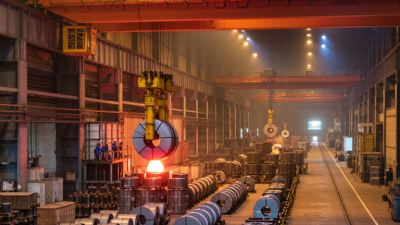
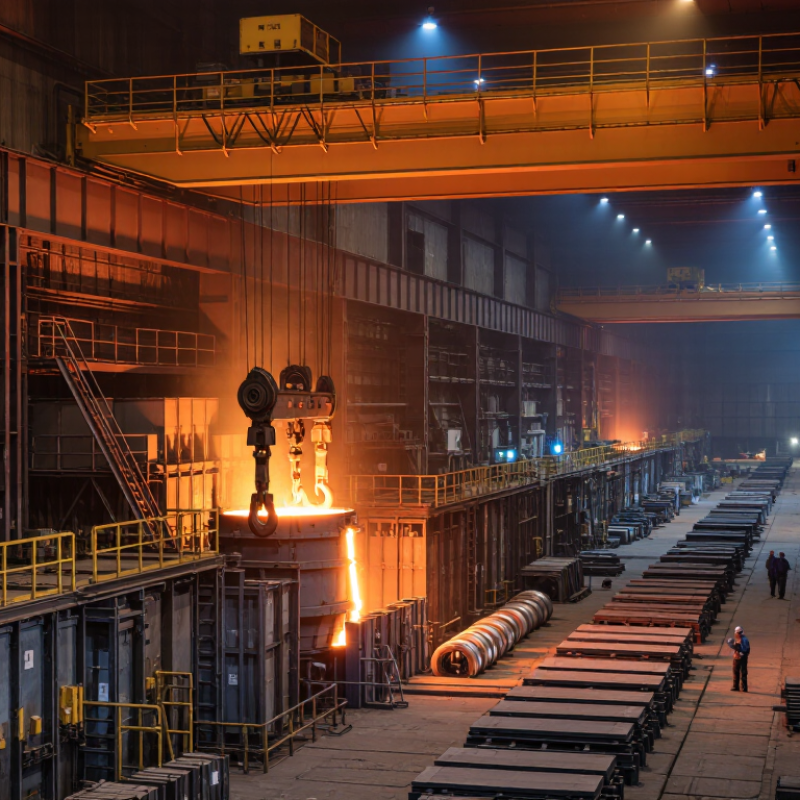
A steel plant crane is a heavy-duty lifting machine designed for harsh steelmaking environments. It moves scrap, molten metal ladles, billets, slabs, and finished coils. Unlike ordinary workshop cranes, it must handle extreme heat, heavy dust, vibration, and sudden load changes. Its main structure usually includes a bridge, end trucks, a trolley, a hoist, and a lifting attachment. The bridge travels along runway rails, while the trolley moves across the bridge. The hoist raises or lowers the load with a wire rope or chain system.
The lifting attachment depends on the task. Ladle cranes use specialized hooks, while magnetic cranes collect steel scrap quickly. A trained operator controls travel, lifting speed, braking, and positioning from a cabin or remote station. Limit switches, load monitoring devices, emergency stops, and mechanical brakes help control risks. These systems support safe operation, but they cannot replace skilled judgment. A damaged rail or worn brake can create serious trouble.
Maintenance teams inspect ropes, hooks, wheels, brakes, electrical panels, and structural welds at planned intervals. Heat can weaken components gradually. Dust can also enter moving parts and sensors. In practice, inspection records are valuable because small changes often appear before failure. No crane is perfect. Even advanced protection systems may respond poorly to neglected maintenance, incorrect loading, or rushed operation. A reliable steel plant crane depends on sound engineering, disciplined operators, and honest equipment checks.
Which Types of Cranes Are Used in Steel Plants?
Steel plant cranes are overhead lifting systems designed for hot, heavy, and irregular loads. They move scrap, molten metal containers, billets, coils, and finished steel across production areas. Unlike general warehouse cranes, they must handle extreme heat, dust, vibration, and demanding work cycles. A bridge travels along runway rails, while a trolley moves across the bridge. Hoists then raise or lower the load with controlled speed.
Several crane types support different steelmaking tasks. Overhead cranes with lifting magnets move steel plates, scrap, and billets quickly. Ladle cranes carry molten-metal ladles between furnaces and casting machines. Their hooks, beams, and electrical systems need heat protection. Charging cranes load scrap or raw materials into furnaces. Slab-handling cranes use strong grabs or magnets to position semi-finished steel. Coil cranes often use C-hooks or specialized lifting devices. Some facilities also use transfer cranes for moving loads between bays. The correct choice depends on load weight, temperature, travel distance, lifting frequency, and available headroom. Small design assumptions can create serious delays.
Tips: Inspect hooks, ropes, brakes, and limit switches before each shift. Confirm the load’s center of gravity. Keep workers outside the suspended-load zone. Heat changes equipment behavior. Check it carefully. Operators should communicate with clear signals and stop when visibility becomes uncertain. Maintenance records should include unusual noise, uneven travel, and repeated overload alarms. Experience matters, but experienced teams can still miss small defects. Pause when conditions change.
What Is a Steel Plant Crane and How Does It Work?
A steel plant crane is a heavy-duty lifting machine used to move raw materials, molten metal, slabs, billets, coils, and finished steel products. Most steel plant cranes use electric motors, hoists, wire ropes, hooks, magnets, grabs, or specialized ladle attachments to lift and transport loads along rails or runways.
Typical Rated Load Ranges by Crane Type
The chart shows representative engineering ranges commonly associated with major steel plant crane applications. Actual capacities depend on the furnace layout, span, lifting height, duty cycle, load temperature, and plant design.
What Are the Main Components of a Steel Plant Crane?
A steel plant crane is a heavy lifting machine designed for hot, demanding production areas. Its main structure is the bridge, usually formed by one or two strong girders. End carriages support the bridge and carry wheels along elevated runway rails. These parts keep the crane stable while moving steel coils, slabs, ladles, or other heavy loads.
The trolley travels across the bridge girder. It carries the hoist, which includes a motor, gearbox, drum, wire rope, and hook. Some cranes use a grab bucket or specialized lifting attachment instead of a standard hook. Brakes hold the load during stops, while electrical panels control movement and power distribution. Pendant controls, remote systems, or an operator cabin may guide the crane through dusty and high-temperature spaces.
Safety components are equally important. Limit switches stop travel before the trolley or bridge reaches an unsafe position. Overload protection helps prevent lifting beyond the rated capacity. Buffers reduce impact at runway ends, and emergency stops allow rapid shutdown. Sensors can monitor position, temperature, and operating conditions.
Small details matter.
From field experience, poor lubrication can create unusual noise before a serious fault appears. Yet inspection schedules are not perfect, and operators may overlook early wear during busy shifts. Regular checks of ropes, hooks, brakes, rails, and electrical connections remain essential. Clear maintenance records also help technicians identify repeated problems instead of treating each failure as an isolated event.
How Does a Steel Plant Crane Lift and Move Materials?
What Is a Steel Plant Crane and How Does It Work?
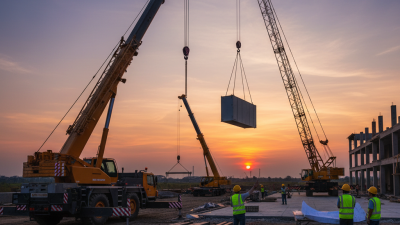
A steel plant crane lifts and moves heavy materials across demanding production areas. Its bridge travels along elevated rails, while a trolley moves across the bridge. A hoist raises or lowers the load with wire ropes, drums, and a lifting hook. Some cranes use magnets for steel plates, coils, or scrap. Others use grabs, beams, or ladle carriers for specialized loads.
Safe lifting begins with a verified load weight and a suitable attachment. The operator checks the load chart, hook condition, ropes, brakes, and travel path. Control systems then coordinate the bridge, trolley, and hoist movements. Variable-speed drives allow gentle starts and stops. This reduces swinging and protects the crane structure. Cameras, alarms, and limit switches provide additional awareness, but they cannot replace trained judgment.
Heat changes the working environment. Ladle cranes may use heat shields and protected electrical components near molten metal. Operators keep the load balanced and avoid sudden direction changes. A suspended coil can rotate unexpectedly if its center of gravity shifts. Even experienced crews must allow for this possibility. In practice, airflow, uneven surfaces, and imperfect visibility can complicate a lift. That is why many facilities use exclusion zones and controlled movement signals. Regular inspections remain essential because small rope damage or brake wear can become serious under extreme loads.
How Are Steel Plant Cranes Operated, Maintained, and Protected?
A steel plant crane moves molten metal, slabs, coils, and heavy equipment across demanding production areas. It uses bridges, trolleys, hoists, hooks, and control systems to position loads accurately. Operators usually work from a cabin, pendant control, or remote station. Each method requires verified training and clear communication.
Safe operation begins with a pre-shift inspection. The operator checks brakes, hooks, wire ropes, limit switches, alarms, and control buttons. Load weight must match the crane’s rated capacity. Sudden starts can swing a ladle or damage nearby structures. Keep people outside the marked lifting zone. Small signals matter.
Tips: Clean dust from sensors and electrical cabinets regularly. Lubricate moving parts according to the maintenance schedule. Inspect ropes for broken wires, kinks, corrosion, or flattened sections. Check brakes under controlled conditions, not only during emergencies. Heat, scale, vibration, and metal dust can shorten component life. Protective shields and heat-resistant cables help, but they are not permanent solutions. Record every defect and repair with dates, findings, and responsible personnel. A second inspection is wise after major repairs. Even experienced teams can overlook gradual wear. That weakness deserves honest review. Proper ventilation, drainage, and fire protection also support reliable crane performance. Never return a crane to service without confirming its safety devices and load controls.