What is a Telescopic Jib Crane and How Does It Work?
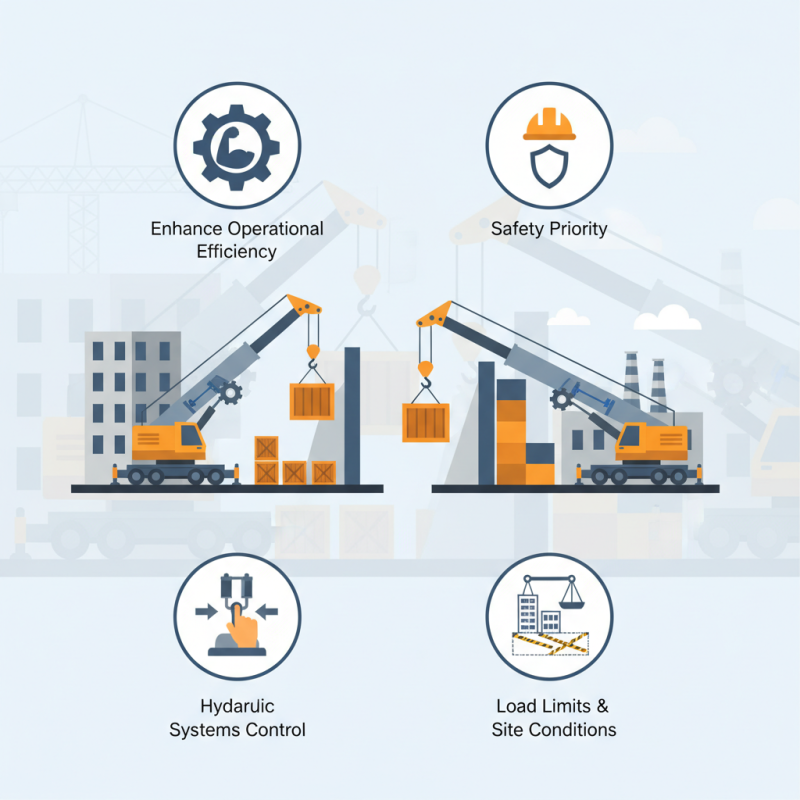
A telescopic jib crane is a unique piece of lifting equipment. It features a sliding arm that extends and retracts. This design offers great flexibility for various lifting tasks. Employing a telescopic jib crane can enhance operational efficiency in construction and manufacturing settings.
These cranes can handle heavy loads in tight spaces. The extended arm reaches over obstacles, allowing better access. However, using a telescopic jib crane requires careful planning and operator training. Safety must always be a priority to prevent accidents and injuries.
Understanding how a telescopic jib crane works is essential. It operates with hydraulic systems that control the arm's movement. Despite its advantages, operators must be aware of the potential risks. Awareness of load limits and site conditions is critical. Proper assessments can prevent mishaps and ensure smooth operation.
What is a Telescopic Jib Crane?
A telescopic jib crane is an innovative lifting solution commonly used in various industries. Its design features a long, extendable arm, known as a jib, that can reach different heights and distances. This flexibility allows it to lift heavy loads in confined spaces. For example, construction sites often benefit from its ability to navigate around obstacles.
The crane works through hydraulic mechanisms that allow the jib to extend and retract smoothly. Operators can easily control the movement from a distance. This operation requires precision. A slight miscalculation could lead to accidents. Maintaining stability is crucial; the center of gravity can shift unexpectedly.
Some users find the crane's functionality sometimes limited. It may not perform well in harsh weather conditions or on uneven surfaces. Operators must always assess the environment before use. Regular maintenance of the hydraulic system is also essential to ensure safe operations. Being knowledgeable about these factors helps everyone stay safe while optimizing efficiency.
What is a Telescopic Jib Crane and How Does It Work?
| Dimension |
Description |
| Max Load Capacity |
Up to 10 tons |
| Operational Radius |
3-15 meters |
| Height Adjustment |
Telescopic mechanism allows height variation |
| Power Source |
Electric or hydraulic |
| Key Applications |
Construction, shipbuilding, and manufacturing |
| Safety Features |
Overload protection, emergency stop button |
Key Components of a Telescopic Jib Crane
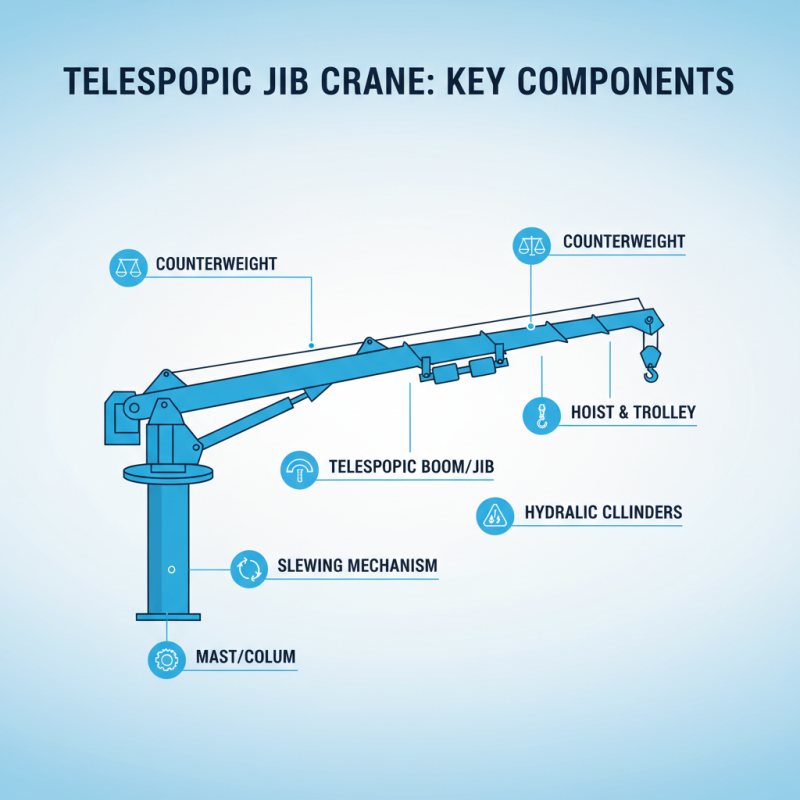
Telescopic jib cranes are versatile lifting machines. Their design allows for a range of motion and height adjustments. This adaptability makes them popular in various industries. The construction of a telescopic jib crane relies on several key components, each playing a crucial role.
The primary component is the jib itself, which is a horizontal arm. It extends outward and can telescope to reach different heights. The base provides stability and support, ensuring the crane remains steady during operation. A hoist is attached to the end of the jib. It is responsible for lifting and lowering loads. The controls enable operators to maneuver the crane smoothly.
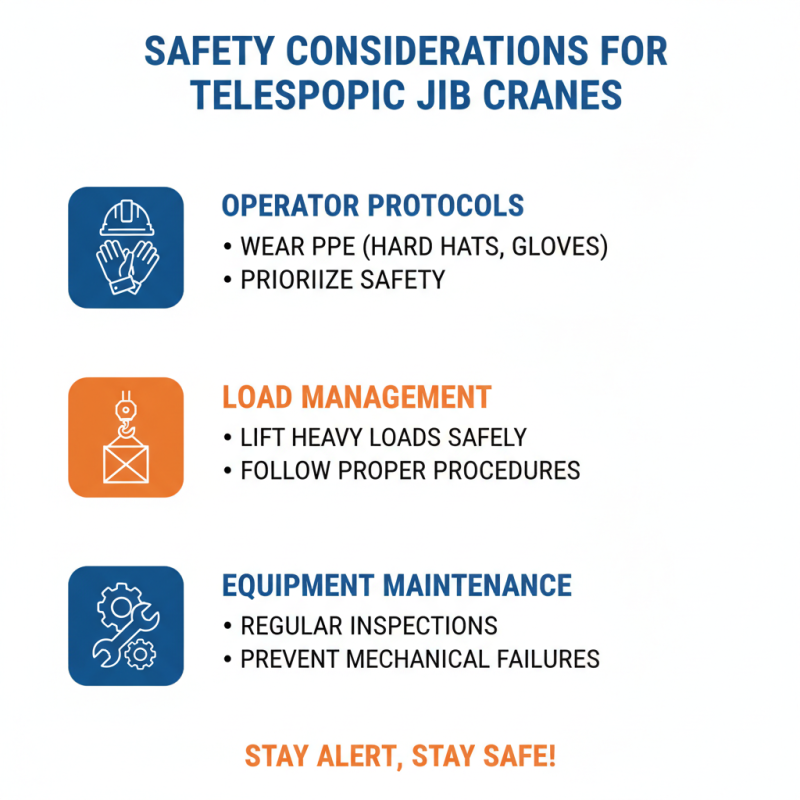
Additionally, the mast gives vertical support. It connects the jib to the ground, reinforcing the structure. Safety features, such as limit switches, prevent overextension. These components work together, but there are challenges. Maintenance can be overlooked, leading to wear and tear. Sometimes, operators might rush, leading to potential hazards. Regular checks are vital to ensure everything functions properly.
Mechanism of Operation for Telescopic Jib Cranes
Telescopic jib cranes are specialized machines designed to handle heavy loads effectively. Their operation hinges on a series of interconnected components that work in harmony. The jib, or arm, can extend and retract, allowing for greater reach and flexibility in lifting materials. This mechanism is powered by hydraulic cylinders, which provide the force needed to move the jib. Understanding how these components interact is crucial for safe operation.
The crane's base is typically fixed or mounted on wheels for mobility. Operators control the crane using joysticks or remote controls, which adjust the jib's angle and extension. This precision offers significant advantages in construction sites and warehouses. However, the potential for human error always exists. Misjudging load weight or jib position can lead to accidents. Regular training and safety measures are essential to mitigate these risks.
Additionally, the telescopic feature can introduce complications. The extension of the jib may affect the crane's stability. Operators must be keenly aware of their surroundings, adjusting for wind or uneven ground. The complexity of the telescopic mechanism calls for attentive maintenance. Any oversight in inspection can lead to malfunctions, endangering both the operator and surrounding workers. Understanding and regularly reviewing operational practices is vital for safety and efficiency.
Applications and Benefits of Telescopic Jib Cranes
Telescopic jib cranes offer remarkable advantages in various industries. Their ability to extend and retract allows for versatile lifting capabilities. This functionality makes them ideal for tight spaces, where traditional cranes may struggle. Construction sites often utilize these cranes to move materials to difficult-to-reach areas. They offer smooth operation and precise control, which are essential in such environments.
In manufacturing, telescopic jib cranes increase productivity significantly. They can handle heavier loads, which reduces the need for multiple equipment. Operators appreciate the flexibility these cranes provide. Additionally, their compact design minimizes the footprint on factory floors. This can lead to better space management. However, operators need proper training to maximize safety and efficiency.
Certain challenges still exist. Maintenance requires diligence to avoid breakdowns. Without routine checks, wear and tear can lead to problems. Also, the operational cost may be higher compared to fixed cranes. Companies must weigh these factors when considering investment. Overall, the benefits often outweigh the drawbacks in many scenarios.
Applications and Benefits of Telescopic Jib Cranes