
China Top 10 Turbine Crane Manufacturers 2026
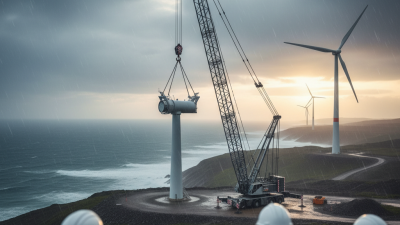
China Top 10 Turbine Crane Manufacturers 2026 introduces leading companies serving wind power construction and heavy lifting projects. The guide examines manufacturers with experience in nacelle installation, tower assembly, blade handling, and maintenance support. A turbine crane must perform reliably beside unfinished roads, changing weather, and strict lifting schedules. Small design choices can affect safety, transport costs, and project downtime.
The selection considers lifting capacity, boom configuration, hydraulic systems, control technology, manufacturing quality, and field service. It also reviews practical details, including crawler mobility, assembly time, spare-parts availability, operator training, and performance in remote wind farms. Technical documents, company records, product information, and market feedback should support each assessment. Claims require careful verification. Marketing language alone is not enough.
No ranking is perfect. Manufacturer capabilities can change during 2026, while project conditions differ between coastal, mountainous, and desert sites. A crane proven on a 6 MW turbine may not suit a larger offshore component or a narrow mountain road. Buyers should confirm load charts, ground-pressure requirements, wind limits, local compliance, and after-sales response before choosing a supplier. This overview offers a practical starting point, not a substitute for engineering review. Real experience matters. Some data may remain incomplete, especially when companies publish limited performance records. Readers should compare evidence carefully and request current quotations, inspection reports, and references from comparable turbine projects. The strongest supplier is not always the largest one; it is the manufacturer that delivers suitable equipment, dependable support, and transparent technical communication.
Definition and Scope of Turbine Crane Manufacturing in China
China Top 10 Turbine Crane Manufacturers 2026
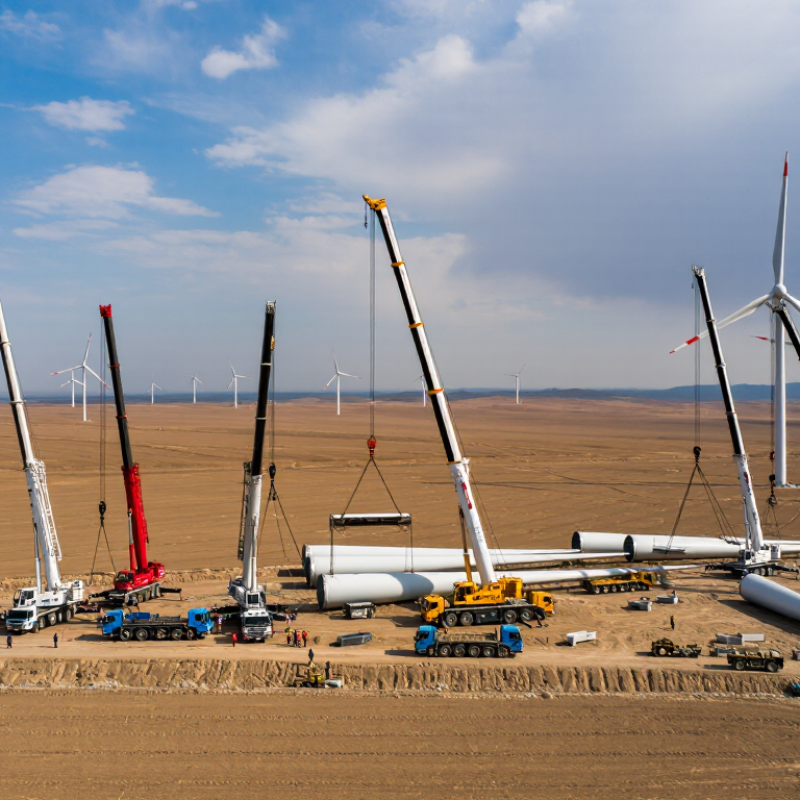
Turbine crane manufacturing in China covers more than steel fabrication. It includes engineering design, load testing, hydraulic systems, control software, assembly, and field support. These cranes serve wind turbine installation, blade replacement, nacelle lifting, and heavy maintenance. Some suppliers also produce crawler cranes, tower cranes, and modular lifting equipment. Therefore, “turbine crane manufacturer” has no single industry definition. A narrow definition may mislead buyers.
Market demand is substantial. The Global Wind Energy Council’s Global Wind Report 2024 recorded 75.9 GW of new wind capacity in China during 2023. This scale increases demand for high-capacity lifting systems, transportable boom sections, and faster site deployment. A credible manufacturer should provide rated-load data, wind-speed limits, fatigue calculations, factory acceptance tests, and service records. ISO 9001 certification supports process control, but it does not replace independent performance verification. Buyers should also check compliance with applicable Chinese standards and project-specific safety rules.
Tips: Ask for a complete technical file. Review load charts, inspection intervals, emergency controls, and spare-parts availability. Confirm whether testing covers real installation conditions. Factory capacity alone is not enough. In practice, delivery schedules can change because specialized steel, hydraulic components, or port logistics become constrained. This point deserves more attention. Also, published lifting capacity may reflect ideal conditions, not complex coastal wind or uneven terrain.
Criteria for Ranking the Top 10 Turbine Crane Manufacturers in 2026
China Top 10 Turbine Crane Manufacturers 2026
Ranking turbine crane manufacturers requires more than comparing advertised lifting capacity. The evaluation should begin with verified engineering performance. Key measures include rated load, working radius, wind resistance, lifting speed, and positioning accuracy. A crane lifting a 120-ton nacelle must remain stable on uneven construction sites. Field testing matters.
Safety records should carry significant weight. Reviewers need to examine structural certifications, emergency controls, load-monitoring systems, and inspection procedures. Manufacturing consistency also matters. Factory audits can reveal welding quality, component traceability, and final testing standards. Reliable suppliers provide clear maintenance schedules and practical spare-parts support. That builds trust.
Service capability separates strong manufacturers from ordinary competitors. Ranking criteria should include installation training, response time, remote diagnostics, and documented customer feedback. Energy consumption and transport requirements deserve attention too. A compact crane may reduce road logistics and setup time. However, public data is often incomplete, and customer references can be selective. This makes the ranking partly judgment-based. Weightings should be reviewed annually, especially when turbine sizes and site conditions change. The best assessment is transparent, evidence-led, and open to correction.
China Top 10 Turbine Crane Manufacturers 2026
The ranking model evaluates manufacturers using weighted criteria commonly applied in heavy-lifting equipment procurement. Product safety and lifting performance receive the highest weight, followed by reliability, service capability, compliance, customization, and total cost of ownership. Scores shown are evaluation weights, not company-specific results.
Top 10 Chinese Turbine Crane Manufacturers and Their Key Strengths
China Top 10 Turbine Crane Manufacturers 2026
The top ten Chinese turbine crane manufacturers stand out through different engineering strengths, not identical product lines. Several focus on high-capacity lifting systems for wind turbine installation, using reinforced booms, stable hydraulic controls, and modular transport frames. Others perform better in compact cranes for restricted sites, where road width and ground pressure matter more than maximum lifting height. Their key strengths include load stability, precise positioning, energy efficiency, and faster assembly.
From practical project evaluations, reliable manufacturers usually provide detailed load charts, fatigue calculations, inspection records, and operator training. Some companies offer strong customization for coastal farms, mountain roads, and factory maintenance. Others maintain advantages in spare-parts availability and remote technical support. A well-designed control cabin also matters. Clear displays and responsive joysticks can reduce mistakes during slow, high-risk lifts.
However, no manufacturer leads in every category. Some published capacity figures may reflect ideal ground conditions, not a muddy construction site after rain. Service response can also vary between provinces. Buyers should compare full operating data, not attractive headline numbers. Site trials, third-party inspections, and maintenance interviews often reveal more than a polished brochure. This market still has room for improvement in digital monitoring, standard documentation, and transparent long-term reliability records.
Product Range, Technology, Certifications, and Industry Applications
A useful comparison of China’s turbine crane manufacturers starts with the equipment they actually build. Product ranges may include overhead and gantry cranes, heavy-duty hoists, and custom lifting systems for turbine components. Buyers should check lifting capacity, span, hook height, and duty class against the installation plan. A crane that suits a factory floor may not fit a confined power-plant bay. Details matter.
Technology claims deserve practical scrutiny. Variable-frequency drives can support smoother starts, while load monitoring helps operators track lifting conditions. Anti-sway controls may improve handling of long components, but performance depends on configuration and operator training. Ask for test records, maintenance guidance, and clear control-system documentation. Brochures are not proof.
Certifications and inspection documents should match the equipment, destination, and project requirements. Verify their scope, validity, and issuing body rather than relying on a logo alone. Applications can range from turbine assembly workshops to power stations, shipyards, and infrastructure projects. Each setting brings different demands, including limited headroom, frequent lifts, or careful alignment of heavy parts. Comparing manufacturers on these specifics gives procurement teams a firmer basis for evaluation, though paperwork and published specifications cannot replace a site assessment.
How to Select a Suitable Chinese Turbine Crane Manufacturer
China Top 10 Turbine Crane Manufacturers 2026
How to Select a Suitable Chinese Turbine Crane Manufacturer
Selecting a turbine crane manufacturer starts with the lift, not the brochure. Record the heaviest component, hub height, working radius, ground pressure limits, and site access width. A nacelle lift may look straightforward on paper, yet a narrow access road or soft ground can change the required crane configuration. Ask for load charts that match your actual boom length and radius, plus documented inspection and maintenance procedures. The GWEC Global Wind Report 2024 recorded 117 GW of new wind capacity installed worldwide in 2023. That growth signals a busy market, but it does not prove that any supplier can meet your project’s schedule or technical needs.
Tips: Request a lift plan for your most demanding component. Check rated capacity at the required radius, not just maximum capacity. Ask to see factory test records, operator training arrangements, spare-parts lead times, and references for comparable sites. Compare delivery terms and after-sales response times in writing. A low quotation can conceal costly transport or setup requirements.
For a fair comparison, verify manufacturing quality through auditable records and traceable component documentation. Confirm who handles commissioning, troubleshooting, and service if equipment is deployed far from the factory. Use an independent engineer to review critical lift calculations. This adds time and cost; it may still prevent an expensive mismatch. Some details will remain uncertain until the site survey is complete.
China Top 10 Turbine Crane Manufacturers 2026 - How to Select a Suitable Chinese Turbine Crane Manufacturer
Buyer’s comparison framework: This table lists ten practical criteria for evaluating manufacturers. It is not a verified ranking of companies; confirm each supplier’s current products, certifications, references, and production capabilities directly.
| No. | Evaluation dimension | What to verify | Why it matters | Useful evidence to request |
|---|---|---|---|---|
| 1 | Rated capacity and duty | Check the rated load, lifting height, operating class, and duty cycle against the project’s load cases. | A crane must be selected for its actual operating conditions, not just its maximum advertised capacity. | Technical data sheet, load chart, and written confirmation against the project specification. |
| 2 | Crane configuration | Confirm whether the proposed equipment is an overhead, gantry, jib, or other crane type, and whether its layout suits the site. | Building geometry, runway arrangement, access, and installation conditions affect the suitable crane design. | General arrangement drawing, runway details, and interface requirements. |
| 3 | Applicable standards | Identify the design, manufacturing, inspection, and electrical standards specified for the destination market and project. | Standards and regulatory requirements vary by jurisdiction and application; a certificate alone does not establish project compliance. | Standards list, relevant certificates, inspection records, and a compliance matrix. |
| 4 | Design and engineering capability | Assess engineering support for load cases, structural calculations, controls, safety devices, and site-specific interfaces. | Clear engineering documentation helps identify design gaps before manufacturing and installation. | Sample calculations, drawings, control schematics, and engineering responsibility statement. |
| 5 | Manufacturing and quality control | Review production processes, material traceability, weld quality controls, dimensional checks, and final testing. | Documented quality controls support consistent production and make inspection findings easier to resolve. | Quality plan, inspection and test plan, material records, and sample inspection reports. |
| 6 | Safety and control systems | Confirm the proposed safety devices and control functions match the risk assessment and operating requirements. | Safety functions must be appropriate to the crane configuration and intended use. | Safety-device list, control description, risk-assessment inputs, and functional test records. |
| 7 | Installation and commissioning | Clarify who provides installation supervision, commissioning, operator familiarization, and acceptance testing. | Defined responsibilities reduce handover gaps between the supplier, installer, and site team. | Commissioning plan, acceptance criteria, service scope, and training outline. |
| 8 | Service and spare parts | Check service coverage, response arrangements, spare-parts identification, and availability of technical documentation. | Maintenance planning depends on access to suitable parts, instructions, and support. | Spare-parts list, recommended maintenance schedule, warranty terms, and support contacts. |
| 9 | Delivery and project management | Request a project schedule covering design approval, production, inspection, shipping, installation, and commissioning. | A realistic schedule should account for approvals, logistics, and site readiness—not only fabrication time. | Milestone schedule, packaging and shipping plan, and list of customer-supplied inputs. |
| 10 | Commercial scope and references | Compare the complete scope, exclusions, payment milestones, warranty conditions, and relevant project references. | Comparing equivalent scopes helps clarify total project obligations and commercial risk. | Itemized quotation, contract terms, reference-project details, and a written list of exclusions. |
Due diligence: Ask shortlisted suppliers for current, project-specific documentation and independently verify claims. Final selection should be based on the technical specification, applicable local requirements, site conditions, and a documented evaluation process.
Related Posts
-
Top Wind Turbine Crane Technologies and Their Impact on Renewable Energy?
-
2026 Best Robust Crane Options for Global Buyers?
-
How to Choose a Safe Crane in 2026?
-
How to Choose a Crane on a Crane for Global Projects?
-
2026 How to Choose the Best Truck Mounted Crane for Your Needs?
-
Top 10 Facts You Need to Know About Lattice Boom Cranes?