What Are the Top 10 Mining Dredge Manufacturers in China?
China’s mining sector depends on equipment that can work steadily in demanding conditions. A Mining Dredge must excavate, pump, and discharge material while handling changing water levels, abrasive solids, and long operating hours. Small design details matter. A poorly matched pump or rapidly worn liner can reduce output and raise maintenance costs.
USGS Mineral Commodity Summaries and World Mining Data provide useful context on mineral production and China’s role in global supply. They do not rank dredge manufacturers or verify company performance. That distinction matters. This overview therefore compares manufacturers through practical indicators: dredging capacity, pump and cutter design, material durability, customization, service support, and documented project experience. René Kolman, Secretary General of the International Association of Dredging Companies, has described dredging as “essential to the world economy.” That broad point is relevant here, though it is not a direct endorsement of any manufacturer.
No ranking is perfect. Catalog specifications can look impressive beside a muddy test pond, yet a real deposit brings variable grain sizes, water conditions, and wear. Buyers should request verifiable references, operating data, and clear maintenance plans before comparing headline capacity. The following list introduces ten Chinese manufacturers associated with mining dredges and related equipment. It is a starting point, not a substitute for technical due diligence.
How Mining Dredges Are Used in China’s Mineral Extraction Industry
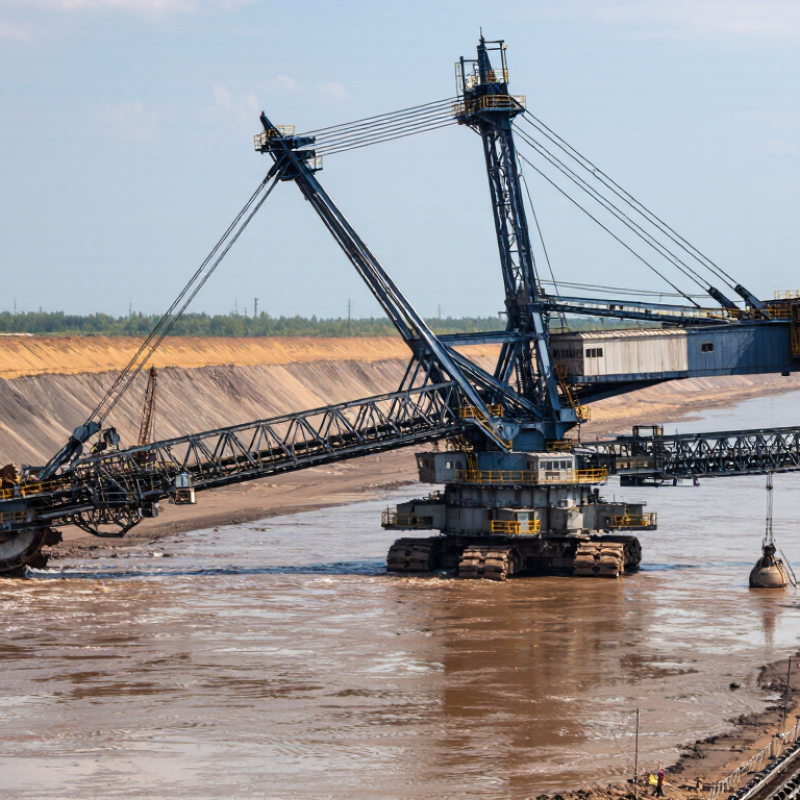
In parts of China, mining dredges support mineral recovery from riverbeds, floodplains, and shallow deposits. These machines loosen submerged material and move it toward onboard screening or separation equipment. They can be useful where deposits are wet, spread out, or difficult to reach with dry excavation. Not every site suits dredging.
Operators may use suction systems for loose sediments, while cutter heads help break compacted layers. After lifting, gravel and sand pass through screens that remove oversized stones. Depending on the ore and process design, gravity separation can concentrate heavier mineral grains. Water often carries fine material to a managed settling area. Small changes in grain size can affect recovery more than expected.
Good planning starts with sampling, water-depth surveys, and estimates of flow conditions. Teams also monitor water clarity, fuel use, equipment wear, and the stability of banks or settling ponds. These checks matter because dredging can disturb habitats or redirect sediment if poorly controlled. Conditions can shift quickly. Rainfall, current, and changing bed levels may force crews to adjust depth or production. Reliable results depend on matching dredge capacity to the deposit, not simply choosing the largest machine.
Criteria for Identifying Leading Chinese Mining Dredge Manufacturers
A useful comparison of Chinese mining dredge manufacturers begins with operating conditions, not catalog claims. Check the stated digging depth, slurry concentration, production rate, and discharge distance against the mine’s actual layout. Ask how these figures were measured. A large capacity number means little if it assumes ideal sediment and a short pipeline. Not always.
Review the dredge’s construction in practical detail. Hull dimensions affect transport and stability; pump selection affects handling of abrasive material. Ask about wear-part replacement intervals, access to the pump, and the time needed for routine maintenance. Request drawings, material specifications, and documented test results. These records help buyers compare suppliers on evidence rather than polished photographs. They do not guarantee identical performance at every site.
Service capability matters after delivery. Look for clear commissioning plans, operator training, spare-parts availability, and realistic response times. References from mines with similar water depth and sediment are more useful than general testimonials. If possible, inspect a working unit or arrange an independent technical review. No checklist is perfect. Local conditions can reveal gaps that factory testing misses, so leave room for questions and revise assumptions when the evidence does not fit.
The Top 10 Mining Dredge Manufacturers in China
The top 10 mining dredge manufacturers in China are best compared by engineering capability, not by rankings alone. A reliable assessment looks at pump capacity, cutter design, hull strength, and the ability to handle changing water levels. Site conditions matter. A dredge built for shallow, sandy deposits may perform poorly in gravel or deeper channels.
Experienced manufacturers typically provide more than a vessel. Their work can include pump selection, pipeline planning, control systems, and operator training. Ask how equipment performs with the material and water depth at your site. Request operating data, maintenance schedules, and details about wear-part replacement. Real measurements help. Catalog figures alone can leave gaps.
The strongest candidates also explain limits clearly. No dredge suits every deposit, and fuel use or downtime can differ from early estimates. That deserves a closer look. Compare service access, spare-part availability, and commissioning support before judging price. Some details may remain uncertain until a site test is complete. A careful comparison of ten suppliers should therefore weigh documented performance and practical support alongside production claims.
Mining Dredge Manufacturers in China: Typical Dredging Depth Ranges
Indicative operating-depth ranges for common dredge types. These are industry-level ranges, not company rankings or specifications; actual capabilities vary by model and configuration.
How the Manufacturers’ Equipment and Services Compare
Comparing ten Chinese mining dredge manufacturers is more useful when buyers examine equipment and support, not just headline capacity. Rankings can vary by project and published specifications. Check cutterhead design, pump curves, suction-pipe dimensions, and wear-liner materials. A powerful pump may still perform poorly if the slurry contains coarse particles or the pipeline is too long. Small details matter.
Ask how each dredge handles changing water depth, abrasive sediment, and daily maintenance. Compare modular pontoon layouts, ladder depth, winch capacity, and control-system visibility from the operator’s station. Request operating data for similar conditions, including flow rate and fuel use. A demonstration can reveal vibration, access problems, or controls that feel awkward. A neat specification sheet can still mislead.
Service differences may matter as much as machinery. Compare commissioning support, operator training, spare-part availability, warranty terms, and response times. Ask which wear parts are stocked locally and how troubleshooting works when internet access is limited. Some manufacturers offer detailed maintenance plans; others may provide less hands-on guidance. That gap deserves attention. Buyers should also confirm what is included in the quoted package, since pumps, hoses, transport, and installation support may be priced separately. No comparison is perfect: site conditions and operator skill can change results considerably.
Key Factors for Evaluating and Selecting a Manufacturer
What Are the Top 10 Mining Dredge Manufacturers in China?
Key Factors for Evaluating and Selecting a Manufacturer
Selecting a mining dredge manufacturer calls for more than comparing purchase prices. Match the dredge’s capacity, pump type, and hull design to your site’s water depth, sediment, and daily output target. Ask for operating data from projects with similar conditions, not just brochure specifications. Check how the manufacturer tests equipment, sources critical components, and documents performance. A clear maintenance schedule and accessible spare parts can matter as much as initial efficiency. Fit matters.
Tips: Request drawings, test records, and a written list of included equipment. Ask who handles commissioning and operator training. Confirm expected wear-part replacement intervals, especially for pumps and cutter components. If an answer sounds vague, ask for measurable details.
Factory visits can help you inspect weld quality, assembly standards, and quality-control records. Still, a clean workshop does not guarantee reliable field performance. Ask to speak with past customers, where possible, and check whether the equipment suited their actual operating conditions. Compare warranty terms carefully; exclusions and response times can change the real cost of ownership. Leave room for uncertainty: sediment and water levels vary, so even a well-matched dredge may need adjustments after installation.