What Are the Top Types of Cold Rolled Steel in 2026?
In 2026, choosing Cold Rolled Steel means looking beyond a product label. The right type depends on how a part will be formed, finished, and used. A smooth, closely controlled sheet may suit an appliance door, while a more formable grade can help produce a stamped panel with fewer defects. Small differences matter.
Common options include commercial-quality low-carbon steel, drawing-quality steel, and deep-drawing grades. These are often selected for progressively more demanding forming work, though exact names and properties vary by supplier and specification. High-strength low-alloy and other high-strength grades offer greater strength for parts where weight or durability matters. They may require different forming setups. A familiar grade is not automatically the easiest one to work with.
This guide compares the main types and explains what their properties mean in practical terms. It considers formability, strength, surface finish, thickness control, and typical applications. For example, a visible cabinet panel may need a clean finish, while a structural bracket may prioritize strength. The best choice also depends on tooling, coating needs, and production volume. Details matter.
Buyers should confirm the applicable grade designation, mechanical-property ranges, and surface requirements with the supplier. A mill test certificate can help verify the delivered material, but it cannot replace checking whether the grade suits the part and process. Terminology can be confusing, and not every description maps neatly across standards. That deserves a closer look before ordering.
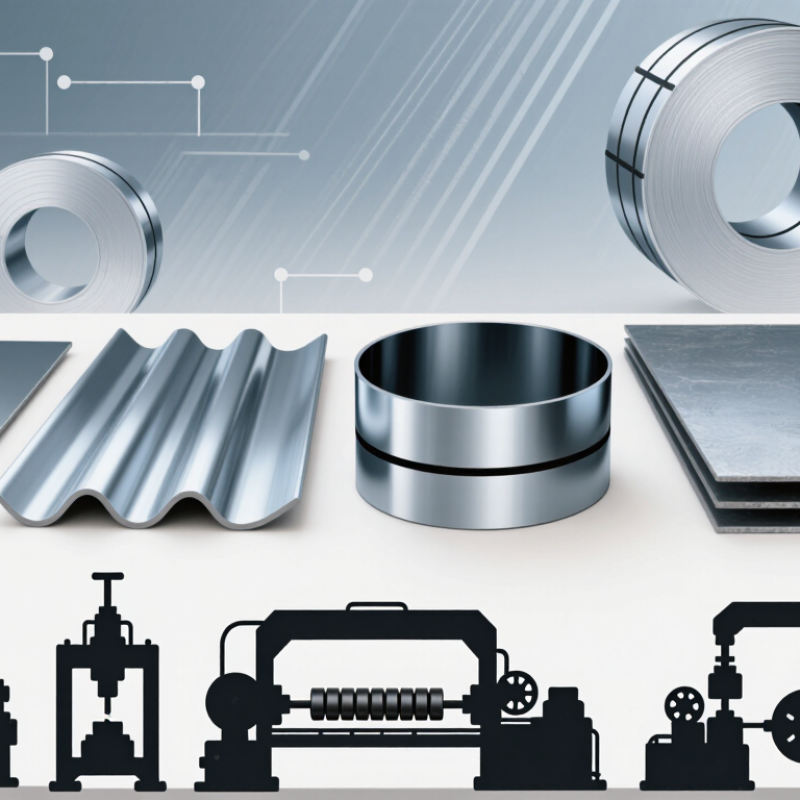
How Cold-Rolled Steel Is Classified in 2026
In 2026, cold-rolled steel is best understood through several classification lenses, not one universal list. Producers reduce hot-rolled steel at room temperature, then anneal or temper-roll it to achieve specified properties. The result may be classified by grade, surface finish, strength, or intended forming work. Labels can vary.
For forming performance, common categories include commercial-quality steel for general bending, drawing-quality steel for deeper shapes, and extra-deep-drawing grades for demanding parts. High-strength low-alloy and other high-strength grades offer greater strength, though they may need different tooling and forming methods. A grade name alone does not promise identical behavior; thickness, chemistry, and processing matter.
Surface and delivery condition also shape classification. Sheets may have matte or brighter finishes, while temper rolling can adjust flatness and surface texture. Coil, sheet, and strip describe product forms, not necessarily separate steel grades. Check the specification. A practical purchasing review should compare the required thickness, coating status, finish, yield strength, and forming needs. This boundary is not always tidy, and naming systems can confuse even experienced buyers. The mill certificate and applicable specification are more dependable than a broad category label.
What Are the Top Types of Cold Rolled Steel in 2026?
How cold-rolled steel is classified: selected ASTM A1008 structural and high-strength grades, compared by specified minimum yield strength.
ASTM A1008 includes several cold-rolled sheet families, such as commercial, drawing, structural, and high-strength low-alloy steels. The chart shows representative structural and high-strength grades; values are specified minimum yield strengths, not typical test results. 1 ksi is approximately 6.895 MPa. Check the applicable standard edition and product specification for exact requirements.
Low-Carbon and Commercial-Quality Cold-Rolled Steel
Low-carbon cold-rolled steel combines a low carbon content with the smooth, controlled finish created by rolling at room temperature. Its relatively good ductility can support light bending and forming, while consistent thickness helps parts fit together. The exact chemistry and performance depend on the applicable grade and production route. Low carbon alone does not guarantee easy forming.
Commercial-quality cold-rolled steel is commonly selected for general fabrication, cabinets, panels, and simple formed components. It can suit parts that need a cleaner surface than hot-rolled sheet, but it is not automatically suitable for deep drawing. Check the specified thickness, surface condition, flatness, and forming requirements before ordering. Small details matter.
A bright sheet may look impressive. That can be misleading. Surface appearance does not confirm that a coil will behave well in a press. For a real production decision, compare the material certificate with the relevant standard, then test a sample using the intended tooling. Even a modest bend can reveal cracking or springback. It is easy to focus on price and overlook edge burrs or handling marks; that choice can create avoidable rework.
Drawing-Quality and Deep-Drawing Steel Grades
Drawing-quality and deep-drawing-quality steels are important cold-rolled options for parts that must stretch or flow into shape. Drawing-quality steel suits moderate forming, such as shallow covers and simple appliance panels. Deep-drawing grades are designed for more demanding shapes, including sinks, drawn housings, and automotive inner panels.
The difference is not just a label. Deep-drawing grades often use low-carbon, closely controlled chemistry, and some are interstitial-free. These features can support consistent forming and reduce the risk of tearing. Buyers and engineers also consider thickness tolerance, surface finish, yield strength, and formability indicators such as r-value and n-value. A smooth coil helps, but it cannot fix a poor die setup.
Test the actual part. A grade that performs well in a standard cup test may still wrinkle around a tight corner or fail after several forming stages. Not always. Confirm the applicable specification, coating, lubrication, and forming conditions with the supplier, then run a practical trial. Small changes in blank shape or press settings can matter more than expected. I would avoid choosing by grade name alone; real production results deserve the final say.
High-Strength, High-Formability, and Specialty Grades
In 2026, cold-rolled steel selection comes down to balancing strength, formability, and the job’s specific demands. High-strength low-alloy (HSLA) grades suit structural parts that need added strength without excessive thickness. Dual-phase and transformation-induced plasticity (TRIP) steels can absorb energy while retaining useful formability. WorldAutoSteel’s 2023 Advanced High-Strength Steel Application Guidelines cover grades with tensile strengths ranging from roughly 440 to 1,500 MPa. That range is broad. Strength alone, however, does not predict how a sheet will behave in a deep draw or tight bend.
For complex shapes, drawing-quality and bake-hardening grades can help limit cracking and improve finished-panel strength. Specialty options include non-oriented electrical steel for magnetic components and coated cold-rolled sheet for improved corrosion resistance. Check the grade’s yield strength, elongation, thickness tolerance, and coating requirements against the actual part design. A detail often missed: tooling radius and lubrication can change forming results, even with the same grade. Data sheets are useful, but they cannot replace a forming trial.
Tips: Request the latest mill test certificate and confirm the test direction, thickness, and tensile properties. Run a small trial before committing to a production batch. If a grade looks ideal on paper, verify it on the shop floor.
How Properties and Applications Differ Across Steel Types
In 2026, cold-rolled steel selection still depends on forming demands, strength, and surface finish. The World Steel Association reported 1,892.2 million tonnes of global crude steel production in 2023 in World Steel in Figures 2024. That scale makes grade choice consequential, though the report does not break production down by cold-rolled grade.
Commercial-quality steel suits simple bends, brackets, and appliance panels. It is relatively easy to form.
Drawing-quality grades offer greater ductility for deeper shapes, such as a stamped sink or vehicle door.
Bake-hardening steel forms readily, then gains strength during paint-bake heating, making it useful for exterior panels.
HSLA steel combines higher strength with relatively low weight, so it can support structural parts and thinner sections. Dual-phase steel pairs a softer ferrite structure with harder martensite. WorldAutoSteel’s Advanced High-Strength Steels Application Guidelines describe DP980 as a 980-megapascal tensile-strength class, suited to demanding automotive structures.
Stronger is not always better. Tight bends may crack, and tooling needs can change. The grade name alone will not predict performance; thickness, coating, and forming conditions matter too. A trial part can reveal what a specification sheet misses.