Top Cranes Picking Up Cranes What You Need to Know?
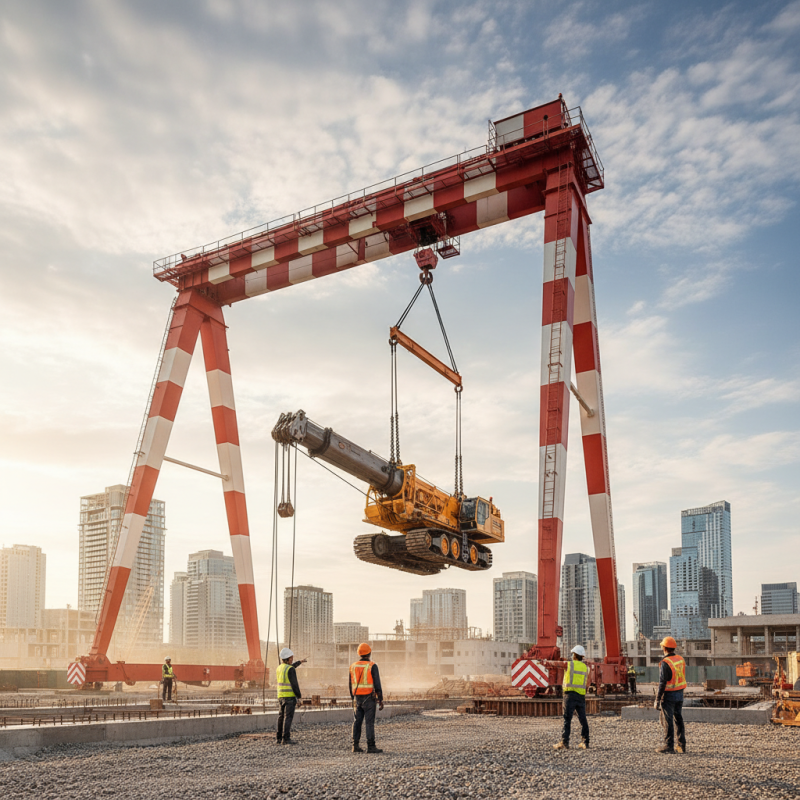
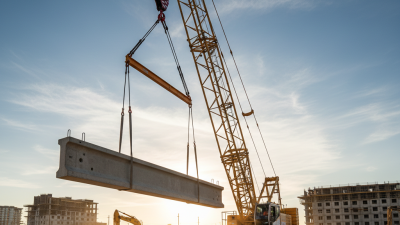
Cranes are essential in construction and heavy lifting. Among them, the concept of "crane picking up crane" stands out. This scenario showcases the versatility and efficiency of crane operations.
Imagine a towering crane delicately lifting another crane from ground level. It’s a fascinating, yet complex task. Safety and precision are crucial. Operators must be skilled and aware of their surroundings. Every move requires careful calculation and timing.
However, this operation isn’t without risks. Mistakes can happen, leading to costly accidents. Awareness of potential hazards is vital. This article will explore different types of cranes involved, the techniques used, and safety measures necessary for successful crane lifting. You'll gain insights into both the practicality and the challenges faced in these operations.
Understanding the Importance of Cranes in Lifting Operations
Cranes play a vital role in lifting operations across various industries. These machines are not just heavy lifters; they are pivotal for safety and efficiency. According to industry reports, crane accidents can happen due to improper use, highlighting the need for skilled operators. In fact, surveys indicate that 50% of all lifting incidents are linked to inadequate training. This underscores the importance of understanding crane operations thoroughly.
Choosing the right crane can greatly affect project outcomes. Different cranes are designed for specific tasks. Tower cranes are excellent for tall buildings, while mobile cranes offer flexibility on-site. Knowing the strengths of each type helps prevent costly delays. A key tip: always consider the load chart for any crane in use. This ensures the selected crane can handle the weight without risks.
When planning a lifting operation, communication is crucial. Everyone on-site should be aware of the lift plan. A lack of clear communication can lead to accidents or miscalculations. Regular safety meetings can help maintain awareness. Another tip: conduct pre-operation checks. This simple step can catch potential issues before they cause problems. The complexity of lifting operations demands attention to detail, and these practices can significantly enhance safety and efficiency.
Top Cranes Picking Up Cranes: What You Need to Know
| Cranes Type |
Max Load Capacity (tons) |
Height (meters) |
Range (meters) |
Applications |
| Tower Crane |
20-60 |
30-100 |
40-80 |
Construction, High-Rise Buildings |
| Mobile Crane |
10-200 |
10-50 |
20-60 |
Construction Sites, Heavy Lifting |
| Crawler Crane |
50-1000 |
20-100 |
30-80 |
Infrastructure Projects, Mining |
| RT (Rough Terrain) Crane |
10-50 |
10-30 |
15-40 |
Landscaping, Construction in Rough Terrain |
| Truck-Mounted Crane |
10-120 |
10-30 |
20-60 |
Transport and Mobile Lifting |
Types of Cranes Commonly Used for Heavy Lifting
When discussing cranes used for heavy lifting, it's essential to explore the types commonly utilized in various industries.
Tower cranes stand tall in construction sites. Their height allows them to lift heavy materials to great heights. They are often seen on skyscraper sites. However, they require careful setup and operators with specialized training.
Mobile cranes are popular for their flexibility. These cranes can move from one location to another quickly. They are equipped with wheels or tracks, making them versatile for different terrains. Yet, their stability can be an issue. Proper stabilization is crucial when lifting heavy loads. The risk of tipping can be significant if not managed correctly.
Lastly, crawler cranes are ideal for rough terrain. Their tracks provide better stability than wheeled cranes. They can handle heavier loads due to their design. However, their size limits where they can operate. Urban areas may prove challenging for these giants. Each crane type presents unique benefits and challenges. It’s vital to assess the specific needs of a project before choosing. Evaluating the environment and load requirements will lead to better outcomes.
Key Features to Consider When Choosing a Crane
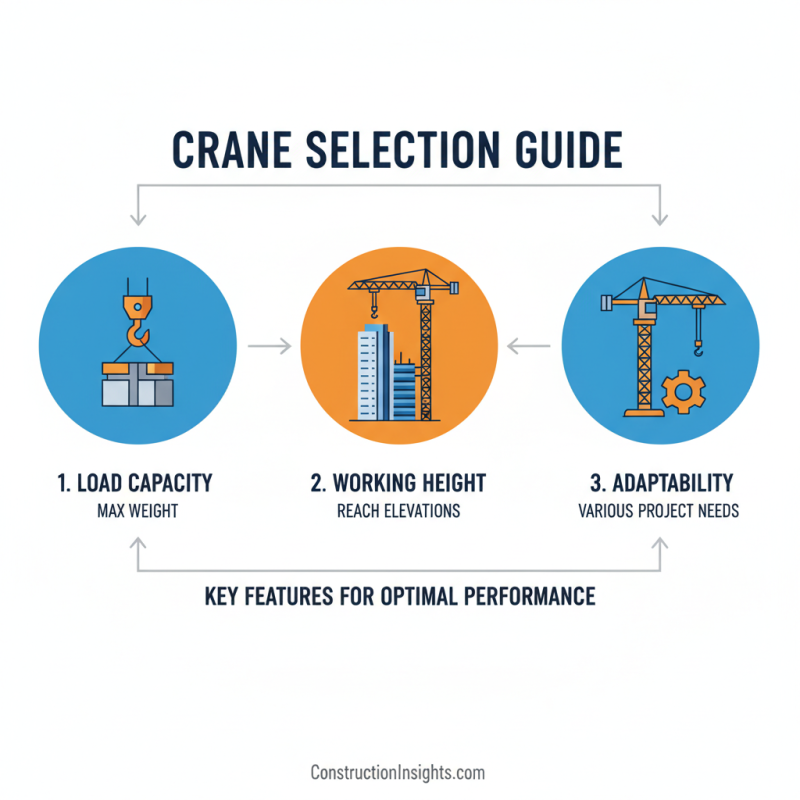
When choosing a crane, several key features must be considered. First, the load capacity is crucial. Each project is unique and requires different lifting capabilities. Assess the maximum weight you plan to lift. This ensures safety and efficiency. Also, think about the working height. Can it reach higher elevations if necessary? A crane that can adapt to various project needs is invaluable.
Next, examine the crane's mobility. Fixed cranes are sturdy but may limit access. Conversely, mobile cranes offer flexibility on different terrains. This is particularly important for construction sites where space can be tight. A crane that can navigate easily can save time and reduce hassle.
**Tip:** Always check the crane’s stability features. A stable crane enhances safety on site. Look for models with advanced stabilization mechanisms. It’s essential to reflect on operational ease, too. A user-friendly interface will streamline your work. Complexity can lead to mistakes, especially under pressure.
Finally, ensure regular maintenance checks are part of your plan. Investing in a crane that has easily accessible service points can help with routine checks and prolong its lifespan. Choosing wisely means balancing options with demands and realities.
Safety Practices in Crane Operation and Maintenance
When operating cranes, safety should always come first. Crane operators must understand the potential risks involved. Proper training is essential; however, ongoing education is often neglected. Regular inspections can prevent accidents. Clarity in communication is vital during operations. Operators must be able to clearly convey information to ground crews.
**Tips:** Always double-check crane setups. Ensure that the ground is stable and firm. Miscalculations can lead to serious incidents. It is important for teams to engage in pre-lift meetings. Discuss roles and ensure everyone knows their tasks. This increases accountability and minimizes confusion.
Maintenance of cranes can also affect safety. Regular servicing is often put off, leading to unforeseen issues. Inspect critical components like brakes and wires weekly. Neglecting these parts can result in dangerous failures. Use a checklist for routine checks, and make notes of any irregularities. This can help catch potential problems early.
Crane Operation Safety Practices