

Who Are the Top Dust Proof Mask Suppliers in China?
Dust Proof Mask sourcing in China spans disposable particulate masks, reusable facepieces, and task-specific designs. The challenge is not finding factories. It is comparing what they actually make. A smooth product photo cannot show filtration performance, edge leakage, or batch consistency.
The need for reliable respiratory protection is clear. The International Labour Organization’s 2023 global estimates report nearly 2.93 million work-related deaths each year, with occupational diseases accounting for most. This figure covers many hazards, not dust alone, but it underscores why protective equipment deserves careful evaluation. Grand View Research’s respiratory protective equipment market analysis also tracks demand across workplace and industrial applications. Market estimates differ by scope, so they should be read as indicators, not guarantees of supplier quality.
This guide examines Chinese suppliers through practical criteria: product range, documented testing, manufacturing capability, customization, and communication. Look for clear specifications, traceable test reports, and samples that match the stated model. Ask how the supplier controls filter materials and production batches. Small details matter. A nose clip that holds its shape, or a seal that sits evenly, can change the user experience. Supplier claims still need verification. Even a polished catalog can leave unanswered questions, and this guide cannot replace independent product testing.
What Are Dust Proof Masks and Where Are They Used?
Dust proof masks are face coverings designed to reduce inhalation of airborne particles such as sawdust, soil, flour, and some construction dust. The term is broad. A loose disposable mask may not provide the protection of a certified respirator. NIOSH states that N95 respirators filter at least 95% of test particles under certification conditions; real-world protection also depends on fit and correct use. A gap near the nose can matter.
These masks are used in woodworking shops, construction zones, farms, mines, and dusty warehouses. Fine silica dust deserves special care during tasks such as cutting concrete. OSHA’s respirable crystalline silica standard sets an eight-hour exposure limit of 50 micrograms per cubic meter for covered workplaces. That figure is a useful reminder: a mask alone does not control dust. Ventilation, wet methods, and dust collection may also be needed. In practice, workers sometimes reach for whatever mask is nearby. That habit deserves a second look.
Tips: Check the product’s certification and intended particle type. Choose a snug fit, inspect the seal, and replace damaged or dirty masks. Facial hair can weaken the seal. When dust remains visible, pause and improve the controls.
Who Are the Top Dust Proof Mask Suppliers in China? What Are Dust Proof Masks and Where Are They Used?
Dust-proof masks are respirators designed to reduce exposure to airborne particles. They are commonly used in construction, woodworking, mining, and other dusty work environments.
About the chart: Values show the minimum filtration efficiency specified for each listed class. Certification standards use different test methods, so the figures are not a direct measure of equivalent real-world protection. Select respirators according to the workplace hazards and applicable regulations; particulate masks do not protect against gases or vapors.
How Are Leading Chinese Dust Proof Mask Suppliers Identified?
Leading suppliers are assessed through evidence, not polished product photos. Check whether they can explain the mask’s intended use, filtration performance, breathing resistance, and fit limitations in clear terms. Ask for current test reports and confirm that the tested model matches the mask being offered. Specifications should be consistent across samples, labels, and production documents.
Production controls matter too. Request details on incoming material checks, batch records, and how defects are handled. A supplier should be able to trace a sample batch and describe what happens when a quality issue appears. Where possible, review the factory or arrange an independent inspection. A neat certificate folder is reassuring, but it does not prove every shipment is consistent. Communication also offers clues: vague answers about capacity or testing deserve follow-up. No checklist is perfect; even experienced buyers can miss small differences between samples and bulk orders.
Tips: Compare samples under the same conditions, record fit and comfort observations, and verify reports with the issuing lab when practical. Keep written specifications and approval samples. Don’t rely on price alone.
Which Chinese Suppliers Offer Dust Proof Masks?
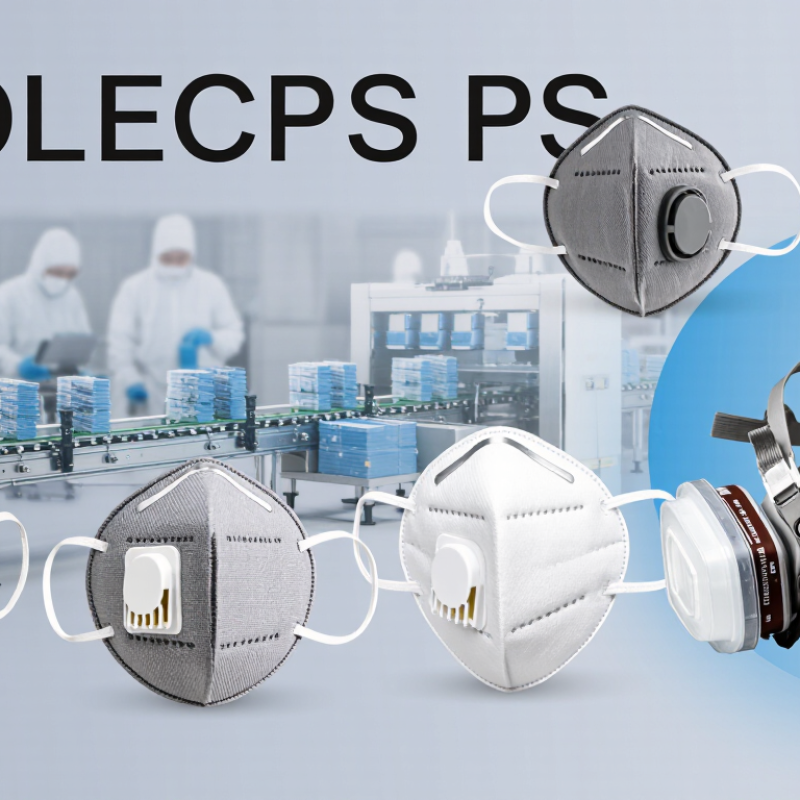
Chinese suppliers of dust-proof masks range from specialist respirator manufacturers to broader protective-equipment factories. Some focus on disposable nonwoven masks for sanding, woodworking, and warehouse cleanup. Others make reusable facepieces with replaceable filters for repeated industrial use. The product range matters more than a supplier’s headline capacity.
When comparing suppliers, request the model’s intended-use description, filtration test reports, and clear photos of straps, nose clips, and filter connections. Ask how batches are inspected and whether the factory can provide traceable production records. For a trial order, check fit across different face shapes, breathing resistance, and seal stability during movement. Small details count. A mask that slips while bending may be a poor choice, even when its fabric looks dense.
Reliable suppliers answer technical questions directly and explain what their masks do not protect against. Confirm sample consistency before discussing large quantities, and compare lead times, packaging, and replacement-filter availability. Dust types differ, and a general-purpose mask may not suit every worksite. I would not rely on product photos alone; documents can be incomplete, and that deserves a second check.
Who Are the Top Dust Proof Mask Suppliers in China? - Which Chinese Suppliers Offer Dust Proof Masks?
The table below compares common Chinese supplier profiles and the evidence buyers can use to assess them. It is a sourcing guide, not a verified ranking of individual companies.
| Supplier profile | Typical dust-mask offerings | Standards and documents to check | Useful buyer checks |
|---|---|---|---|
| Industrial respirator manufacturers | Disposable particulate respirators, including cup-shaped and fold-flat designs; some models have an exhalation valve. | For products sold as Chinese standard-compliant respirators, check the applicable edition and test evidence for GB 2626. Confirm the exact model and classification shown on its documentation. | Request model-specific test reports, labeling details, fit guidance, production-lot traceability, and samples for wearer fit checks. |
| Protective-equipment specialists | A broader range of respiratory protective equipment, potentially including disposable respirators and reusable masks with replaceable particulate filters. | Check the standard and certification applicable to each complete mask-and-filter configuration. Evidence for one filter or model should not be assumed to cover another. | Verify filter compatibility, replacement availability, instructions for use, and whether the supplier manufactures the products or resells them. |
| Medical-mask manufacturers with respirator lines | May offer both medical masks and particulate respirators; these product types have different intended uses and requirements. | Check the product’s stated intended use and the applicable standard. Medical-mask documentation does not by itself establish particulate-respirator performance. | Ask for separate documentation for each product category and confirm the exact item, model, and manufacturing site covered. |
| OEM and private-label producers | Custom packaging or labeling for disposable dust respirators, subject to the producer’s available models and applicable rules. | Confirm that test reports, certificates, and product markings match the supplied model and the final labeled product. | Agree on approved samples, packaging artwork, inspection criteria, change-control procedures, and batch documentation before ordering. |
| Export-focused manufacturers and trading suppliers | Products selected for export markets, with available models and documentation varying by supplier and destination. | Check the destination market’s requirements independently. A supplier’s export experience or a general quality certificate is not proof that a specific mask meets a required product standard. | Identify the actual manufacturer, verify documents with the issuing body where possible, and confirm labeling, shipping, and import requirements. |
Note: “Dust proof mask” is a broad commercial term. Select respiratory protection based on the hazard, the applicable standard, and a proper fit; a filtration claim alone does not guarantee protection in use.
How Do Suppliers Compare in Quality, Certifications, and Production Capacity?
Compare dust mask suppliers on verified performance, not polished product photos.
Grand View Research valued the global respiratory protective equipment market at US$8.55 billion in 2023, forecasting 6.7% annual growth through 2030. This broad category includes more than dust masks, but its scale highlights why quality controls matter.
Request current test reports for the exact mask model, plus batch records and traceability details. For China-market products, check applicable GB 2626-2019 requirements; export requirements vary by destination. ISO 9001 supports quality management, but it does not prove a mask meets a filtration standard.
Production capacity needs evidence too.
Ask for monthly output, lead times, and peak-season delivery records. A factory’s stated capacity may not reflect available lines or material supply. Review audit findings and inspect how incoming filter material, nose clips, and finished masks are sampled.
Small details matter. A clear rejection process is reassuring. Still, documents can look strong while shipment performance falls short; request recent, verifiable delivery data before comparing quotations.
Tips: Compare like with like: same mask class, test method, order size, and delivery terms. Ask for a pre-shipment sample and confirm that its labeling matches the test documents. If answers are vague, pause. That hesitation can prevent a costly mismatch.
What Should Buyers Consider When Choosing a Supplier?
When choosing a dust-proof mask supplier in China, look beyond price and polished product photos. Ask for the mask’s intended use, filtration details, material specifications, and test reports. Confirm that the documents match the exact model you plan to buy. Requirements can vary by destination market, so verify the applicable standards before placing an order. Fit matters. A mask with strong test results may still perform poorly if it does not seal comfortably on different faces.
Check how the supplier controls production. Ask whether incoming materials and finished batches are inspected, and how defects are recorded. Request samples from regular production, not only specially prepared samples. Compare stitching, nose-clip strength, strap tension, and packaging labels. Discuss minimum order quantities, lead times, and how the supplier handles changes or delayed shipments. A clear answer is useful; a specific answer is better. Still, no checklist can guarantee that every batch will be identical, so agree on practical inspection steps before production.
Tips: Keep written records of product specifications and sample approvals. Ask for recent, model-specific test documents, and have them checked by a qualified testing provider when needed. Test comfort with intended users before ordering at scale. A brochure is not enough. Pay attention to how quickly the supplier responds when you raise a small concern; communication can reveal gaps that a price sheet will not.