What is a Truck Boom Crane and How Does it Work in Construction
In the dynamic realm of construction, efficiency and versatility are paramount, and one of the pivotal machines that exemplifies these qualities is the truck boom crane. This innovative piece of equipment combines the mobility of a truck with the elevated lifting capabilities of a crane, making it an indispensable tool for a variety of construction projects. As construction expert John Smith notes, “The truck boom crane revolutionizes how we approach lifting tasks, offering flexibility and power that traditional cranes simply cannot match.”
Understanding the mechanics and applications of a truck boom crane is essential for professionals in the industry. These cranes are designed to easily maneuver between job sites, significantly reducing the time and resources required for transporting heavy materials. Additionally, the elevated boom allows for precise placement of loads, enhancing safety and operational efficiency. By delving into the functionalities of the truck boom crane, construction workers and project managers can leverage its advantages to improve productivity and streamline workflows on any construction site.
As we explore the intricacies of truck boom cranes, it becomes evident that they are not only a practical investment but also a game changer in the construction landscape, where adaptability and performance are critical.
What is a Truck Boom Crane?
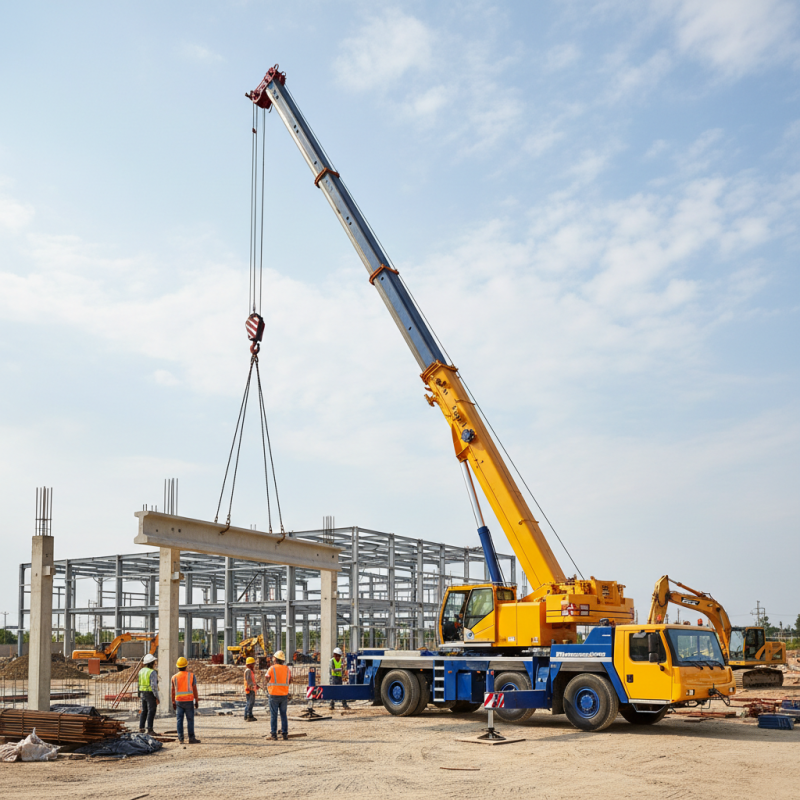
A truck boom crane is a highly versatile piece of equipment used in the construction industry, designed to lift and move heavy materials and equipment with ease. Typically mounted on a truck chassis, these cranes feature a telescoping boom that can extend and retract, allowing for greater reach while maintaining stability. The hydraulic system integrated into the boom enables smooth operations, whether raising, lowering, or articulating the crane’s arm to position loads precisely where needed.
When operating a truck boom crane, it is crucial to understand its lifting capacity and the specifications of the load being moved. Each crane is engineered with a specific maximum load limit, which should never be exceeded to ensure safety and efficiency. Proper training and adherence to safety guidelines are essential to prevent accidents during operation.
**Tips:**
1. Always conduct a pre-operation inspection of the crane to check for any mechanical issues or hazards before use.
2. Familiarize yourself with the load chart specific to your crane model to determine the safe lifting capacities at various boom angles.
3. Utilize spotters when moving loads in congested construction sites to enhance visibility and communication, thereby ensuring a safer work environment.
Truck Boom Crane Specifications and Features
| Feature |
Description |
| Type of Crane |
Truck-mounted Boom Crane |
| Maximum Load Capacity |
Up to 60 tons |
| Boom Length |
20 to 50 meters |
| Operating Radius |
10 to 30 meters |
| Power Source |
Hydraulic System |
| Primary Applications |
Construction, Heavy Lifting, Cargo Handling |
| Operating Conditions |
Rough Terrain and Urban Areas |
| Safety Features |
Load Limit Indicator, Emergency Stop System |
Key Components of a Truck Boom Crane
A Truck Boom Crane is an essential piece of equipment used in construction, characterized by its unique structure that combines the mobility of a truck with a telescoping boom arm. The key components that define its functionality include the truck chassis, boom, hoisting mechanism, and control system. The truck chassis provides the mobility necessary for transportation between job sites, while the sturdy frame supports various additional components.
The boom, often adjustable and extendable, allows for vertical and horizontal lifting of heavy loads. It is typically made of high-strength materials designed to withstand significant weight and stress, ensuring reliability during operation. The hoisting mechanism, usually comprised of a winch and hook, facilitates the lifting and lowering of materials. Lastly, the control system, which can be manual or remote-operated, allows the operator to maneuver the boom with precision, enhancing safety and efficiency on the job site. Together, these components make the Truck Boom Crane a versatile and indispensable tool in modern construction.
How Truck Boom Cranes Operate in Construction
Truck boom cranes are versatile lifting devices that play a crucial role in construction projects. These cranes feature a telescopic boom mounted on a truck chassis, allowing them to easily move from one job site to another. They are designed to handle heavy loads and reach great heights while maintaining stability and control. The operator can manipulate the boom to extend or retract, providing the ability to lift materials and equipment over obstacles, which is particularly useful in urban environments with limited space.
In construction, truck boom cranes operate by utilizing hydraulic systems that power the boom's movements. The operator controls the crane from a cab, using pedals and levers to navigate the boom's reach, angle, and height. Safety is paramount, so most cranes come equipped with load limiters and alarms to prevent overloads. Additionally, proper setup and stabilization are critical; outriggers may be deployed to increase the crane's footprint and ensure it remains steadied while lifting.
Tips for using truck boom cranes effectively include performing regular maintenance checks to ensure all hydraulic systems are functioning properly and that safety features are operational. Additionally, always conduct thorough site assessments to identify potential hazards and plan the most efficient lifting tactics. It’s also advisable to train operators extensively in crane operation, load calculation, and safety practices to minimize risks on the job site.
Truck Boom Crane Usage in Construction Projects
Advantages of Using Truck Boom Cranes in Construction Projects
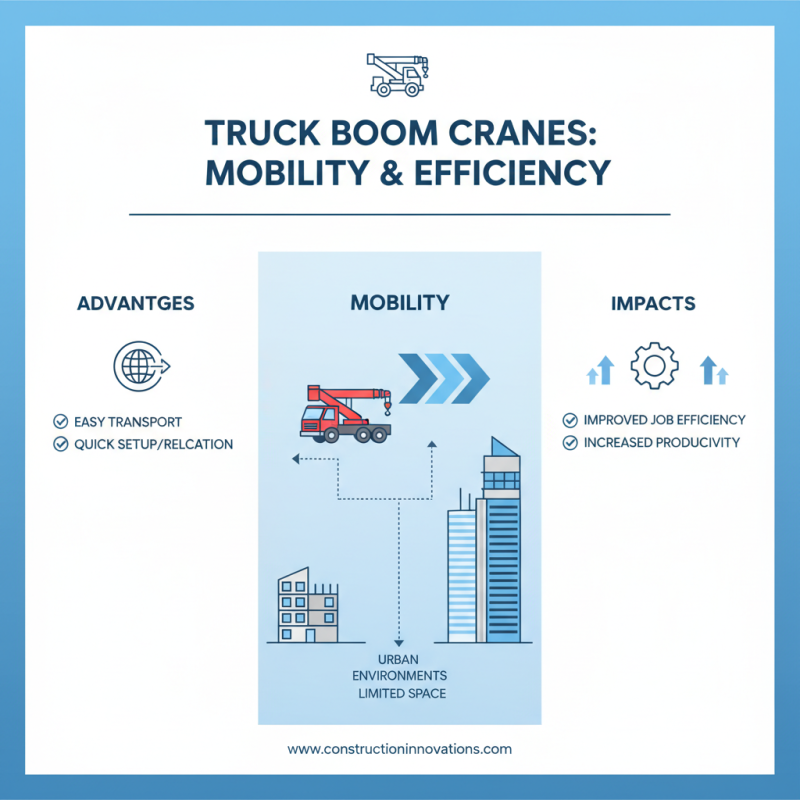
Truck boom cranes are becoming increasingly popular in construction projects due to their numerous advantages. One of the primary benefits of using these cranes is their mobility. Unlike traditional stationary cranes, truck boom cranes can be easily transported to various job sites, allowing for quick setup and relocation as project requirements change. This mobility is particularly valuable in urban environments where space is limited, and the ability to maneuver easily can significantly improve efficiency and productivity on the job.
Another significant advantage of truck boom cranes is their versatility. These cranes are capable of handling a wide range of lifting tasks, making them suitable for diverse applications within construction projects. Whether it's lifting heavy materials like steel beams or positioning equipment at height, truck boom cranes are designed to accommodate various weight capacities and extension ranges. This adaptability not only streamlines the construction process but also reduces the need for multiple types of lifting equipment, ultimately leading to cost savings and better resource management for construction teams.
Safety Considerations When Operating Truck Boom Cranes
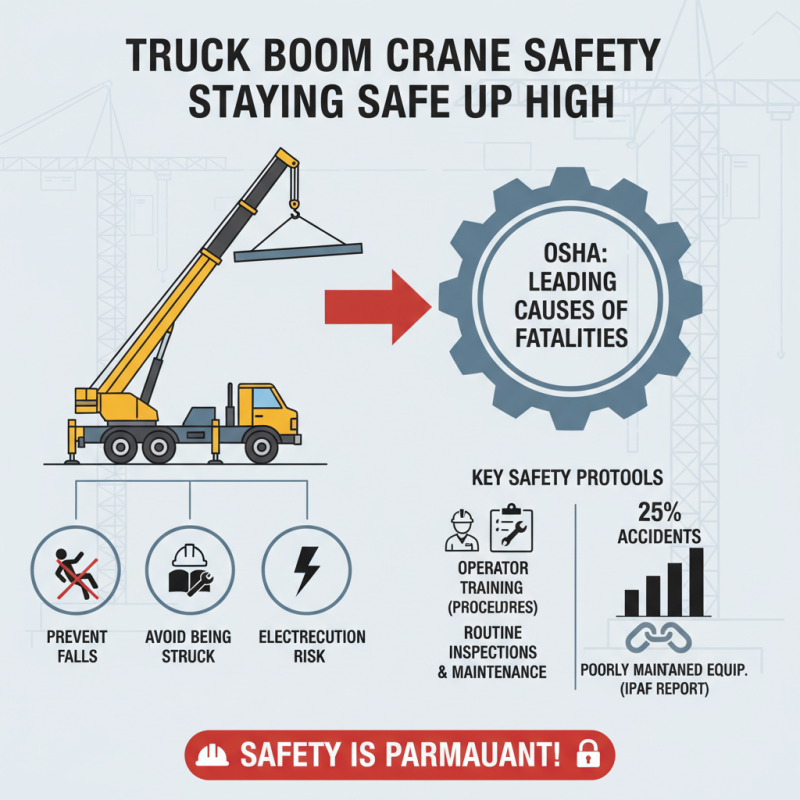
When operating truck boom cranes in construction, safety considerations are paramount due to the inherent risks associated with heavy lifting and the dynamic environments in which these cranes function. According to the Occupational Safety and Health Administration (OSHA), falls, being struck by equipment, and electrocutions are among the leading causes of fatalities in the construction industry, emphasizing the necessity for rigorous safety protocols. An effective safety program should include regular training sessions for operators, ensuring they are well-versed in the crane's functionalities and emergency procedures. Additionally, routine inspections and maintenance are critical, as a report from the International Powered Access Federation (IPAF) highlights that poorly maintained equipment contributes to nearly 25% of accidents involving cranes.
The proper use of personal protective equipment (PPE) cannot be overstated when it comes to truck boom crane operations. Wearing hard hats, gloves, and high-visibility clothing helps to safeguard operators and nearby workers from potential hazards, while safety harnesses should be utilized when working at heights or near exposed edges. Furthermore, awareness of the crane's load limits and ensuring the stability of the ground conditions are vital factors that directly affect operational safety. A study published in the Journal of Construction Engineering and Management indicates that adhering to these safety measures can reduce accident rates by as much as 30%, reinforcing the importance of a proactive approach to safety in crane operations.