

Sanghvi Crane

Why Use a Butterfly Valve?

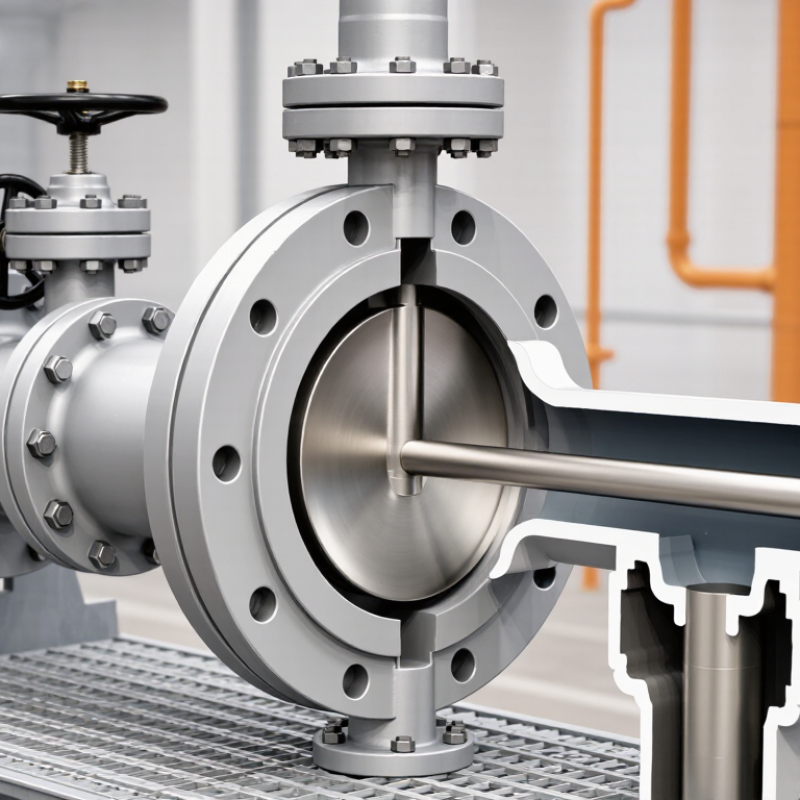
Why use a butterfly valve when pipelines already have many flow-control options? The answer often begins with space, weight, and operating cost. A butterfly valve uses a circular disc mounted on a rotating shaft. Turning the shaft changes the disc position and controls the medium passing through the pipe. This compact design can fit between flanges, making it practical for water treatment plants, HVAC systems, chemical processing, and industrial utility lines.

It is often a sensible choice.

In the field, maintenance teams value the valve’s relatively simple structure. Fewer major components can mean quicker inspection and easier replacement. Its quarter-turn operation also supports manual handles, gear operators, and automated actuators. When correctly selected, a butterfly valve can provide dependable isolation and useful throttling performance. However, “correctly selected” matters. Pressure, temperature, media compatibility, seat material, and sealing requirements must be checked before installation. A valve that works well in clean water may perform poorly with abrasive slurry or aggressive chemicals.

The design also reduces equipment weight and installation effort in many pipeline layouts. That benefit becomes noticeable when workers handle large-diameter piping in restricted spaces. Still, the disc remains inside the flow path, which may create pressure loss or turbulence. Some applications require tighter shutoff, stronger materials, or more precise control. No valve is perfect. The best choice depends on operating conditions, safety requirements, maintenance access, and the consequences of failure. This guide examines those practical reasons, along with the limitations that engineers and operators should consider before choosing a butterfly valve.
Why Use a Butterfly Valve?

What Is a Butterfly Valve?

A butterfly valve is a flow-control device with a circular disc inside a pipe. The disc connects to a stem that rotates it around a quarter turn. When the disc aligns with the pipe, fluid passes through. When it turns across the passage, flow stops. It is not magic. The disc remains in the flow path, so it can create a small pressure drop even when fully open. Its simple structure also makes inspection easier during routine maintenance.

Why use a butterfly valve? Its compact body fits tight spaces, and its light weight can reduce support requirements. Operators can open or close many models quickly with a handle, gearbox, or actuator. These valves commonly serve water, air, compatible chemicals, and process fluids. They often work well for isolation and moderate throttling. However, they may not provide the fine control required by every system, especially under high pressure differences.

Good selection depends on pressure, temperature, pipe size, fluid compatibility, and operating frequency. Seat and disc materials deserve careful attention. A valve can look correctly sized and still disappoint if its torque demand is underestimated. In field work, I have seen leakage begin after particles damaged the sealing surface. Clean installation and functional testing matter. The first choice is not always perfect, and operating data should guide later adjustments.

How Does a Butterfly Valve Work?

Why Use a Butterfly Valve?

A butterfly valve controls flow with a circular disc mounted on a rotating shaft. When the shaft turns, the disc moves inside the pipe. At 90 degrees, the disc stands parallel to the flow and allows passage. Turn it another quarter-turn, and the disc faces the flow, closing the line.

That motion is simple.

In practice, the actuator rotates the shaft by hand, air pressure, or an electric motor. A resilient seat presses around the disc edge, helping reduce leakage when closed. Metal-seated designs can handle higher temperatures and demanding service.

During inspection, technicians check the shaft, seat, flange alignment, and disc movement. A stiff handle may indicate debris, pressure imbalance, or poor alignment. Never force it.

Butterfly valves are compact and usually lighter than many comparable shutoff valves. They also need less installation space. However, using one for continuous throttling requires care. A partly open disc can create turbulence, vibration, and seat wear.

The valve may appear suitable, yet the fluid speed could make it a poor choice. I would verify pressure, temperature, media compatibility, and required control accuracy before selection.

A small sizing mistake can cause unstable flow. That detail is easy to overlook.

Key Advantages of Using a Butterfly Valve

Why Use a Butterfly Valve?

A butterfly valve controls flow with a rotating disc inside the pipe. Its quarter-turn operation allows quick isolation during maintenance or emergencies. In field inspections, operators often value the compact design most. It needs less installation space than many longer-bodied valve types. Its lightweight construction can also reduce pipe support requirements.

Key Advantages of Using a Butterfly Valve

Low operating torque makes butterfly valves suitable for manual handles and automated actuators. Their streamlined passage can create modest pressure loss when fully open. Soft seats may provide reliable shutoff for water, air, and compatible process fluids. Fewer moving parts can simplify routine inspection and replacement. However, a butterfly valve is not ideal for every throttling application. Continuous control may wear the disc or seat faster than expected. Correct material selection remains essential.

Common Applications of Butterfly Valves

Why Use a Butterfly Valve?

Common Applications of Butterfly Valves

Butterfly valves control liquid, gas, and slurry flow through a rotating disc. Their compact bodies fit well in crowded mechanical rooms. This matters in water treatment plants, where large pipelines often run beside pumps and filters. Operators can open or close the valve with a quarter turn. The action is quick, visible, and easy to inspect.

They are widely used in municipal water systems, irrigation networks, fire protection lines, and industrial cooling circuits. In wastewater facilities, resilient-seated designs can manage mildly contaminated water and suspended particles. Larger systems may use gear operators or powered actuators for remote control. Food processing lines also use sanitary versions when clean surfaces and frequent washing are essential. Selection depends on pressure, temperature, media, and local safety requirements.

They are not perfect for every service. A basic butterfly valve may perform poorly with abrasive solids or severe throttling. Continuous partial opening can cause vibration, noise, or uneven disc wear. That detail is often overlooked. Engineers should check flow velocity, seat materials, shaft orientation, and maintenance access before installation. A valve that fits the pipe may still be unsuitable for the process. Regular inspections can reveal leaking seats, stiff operation, or corrosion before these issues interrupt production.

Factors to Consider Before Choosing One

Why Use a Butterfly Valve?

Factors to Consider Before Choosing One

A butterfly valve can provide compact shutoff with low weight and modest installation space. Its disc turns through the pipeline, making operation relatively quick. However, selection should begin with process conditions, not pipe diameter. The U.S. Department of Energy reports that pumping systems may consume 25% to 50% of industrial facility electricity. Therefore, pressure drop deserves careful attention. A poorly sized valve can increase pump demand and operating costs.

Check the fluid, temperature, pressure, and flow pattern. Clean water, abrasive slurry, and corrosive chemicals require different seat and disc materials. A resilient seat may suit moderate service, while high temperatures may require a different design. Consider throttling performance too. Some butterfly valves control flow effectively, but unstable operation can occur near very small openings. That detail is easy to miss.

Actuation also matters. Manual operation may work for an accessible utility line. Remote or emergency service may require pneumatic or electric actuation. Calculate torque under the worst condition, including pressure differential and deposits. Standards such as API 609 and ISO 5211 can support dimensional and mounting decisions. Still, compliance does not guarantee suitability. A low purchase price may become expensive through leakage, frequent cycling, or difficult maintenance. I would not choose by size alone. Field conditions are rarely as clean as the specification sheet suggests.

Scroll to Top