How to Choose the Best All Terrain Crane for Your Needs?
Choosing the right all terrain crane can greatly impact your project’s success. These machines are versatile and powerful, able to navigate various terrains with ease. However, selecting the best all terrain crane requires careful consideration of your specific needs.
Each project has unique requirements. Factors like load capacity, reach, and terrain variability are crucial. An all terrain crane’s performance varies based on these elements. Understanding your project’s constraints can help you make an informed choice.
Expert insight is essential when selecting an all terrain crane. Researching different models and manufacturers adds depth to your decision. Seek advice from experienced operators or engineers. Their perspectives can highlight aspects you might overlook, ensuring reliability and efficiency.
Understanding All Terrain Cranes: Key Features to Consider
When choosing an all-terrain crane, understanding key features is essential. These cranes are known for their versatility. They can operate on various surfaces, from asphalt to rugged terrain. The first feature to consider is the lifting capability. Determine the maximum capacity you need for your projects. Common specifications range from 30 to over 500 tons.
Another critical aspect is mobility. Assess the crane's dimensions and weight. This affects transportability. Smaller models may fit through tighter spaces but might have limited lifting power. Also, think about the types of controls available. Some cranes come with advanced technology. Others may use basic controls. Familiarity with these can influence operator efficiency.
Don’t forget to evaluate the safety features. All-terrain cranes must comply with strict regulations. Examine the stability systems, like outriggers and counterweights. Some cranes may not offer adequate safety measures. It’s crucial to reflect on this aspect. Choosing the right crane requires careful thought. Balancing power with safety can be challenging but is vital for successful operations.
Assessing Your Project Requirements: Weight Capacity and Reach
When selecting an all-terrain crane, assessing weight capacity and reach is crucial. Different projects have varying demands, and a crane must meet those requirements.
Consider what you will lift. A heavy load necessitates a crane with a higher weight capacity. Consult equipment specifications to ensure the crane can handle the load safely. Using equipment that can't support the weight can lead to accidents.
Reach is equally important. Some projects involve lifting materials to significant heights or distances. A crane with inadequate reach can hinder project progress. Measure the height and radius required at your job site. It’s critical, however, not to get fixated solely on the numbers. Knowing how to operate a crane effectively also plays a role in maximizing its capabilities.
Consider the site conditions. Uneven terrain or confined spaces can affect maneuverability. Reflect on the equipment you choose. It's not just about specifications; it's about real-world applications. Balancing weight capacity and reach with operational challenges can be tricky, but it ensures you select the best crane for your needs.
Evaluating Ground Conditions: Choosing the Right Crane Type
Evaluating ground conditions is crucial when selecting the right all-terrain crane. Different terrains present unique challenges. For instance, soft soils can lead to crane sinking, while rocky ground might hinder mobility. Understanding these conditions helps inform your choice.
To optimize safety and efficiency, consider the crane’s weight distribution and stability. Heavier cranes may not perform well on uneven ground. Alternatively, lighter models can maneuver better but might lack lifting capacity. Each site has its nuances. Monitoring weather conditions is also essential. Rain can create mud, affecting traction and stability.
Operators must also be aware of their own skill levels, as complex terrains can test their experience. A less experienced operator might struggle in challenging conditions. Reflecting on past projects can guide future decisions. Learning from mistakes enhances your ability to choose wisely next time. Make informed choices based on the site’s specific needs. Would a larger crane be overkill in a tight space? Evaluating these details makes a difference in project success.
Budgeting for Purchase or Rental: Cost Considerations and Financing
When considering the purchase or rental of an all-terrain crane, budgeting is crucial. Costs vary widely depending on size, capacity, and features. Industry reports suggest that the average cost of renting an all-terrain crane ranges from $1,000 to $3,000 per day. Purchasing one can set you back anywhere from $200,000 to $500,000. These figures highlight the importance of assessing your project needs.
Tips for effective budgeting include evaluating project timelines. Longer projects may benefit from rental agreements or financing options. A recent study found that companies often underestimate maintenance costs, which can add an additional 10-20% annually. Not factoring these expenses can lead to budget shortfalls.
Consider utilizing financing options to ease cash flow. Many financial institutions offer tailored solutions for heavy machinery. These can help spread out costs over time, making a purchase more manageable. Always read the fine print. Look for any hidden fees or interest rates that could inflate the final cost. Balancing these considerations will lead to a more informed decision over your crane needs.
Safety Features and Maintenance: Ensuring Long-Term Performance
Selecting the right all-terrain crane is crucial for safety and performance. When considering safety features, cranes should be equipped with advanced systems like overload protection and stability monitoring. According to industry reports, approximately 40% of crane accidents occur due to operator error or equipment failure. Implementing safety measures can significantly reduce these risks.
Regular maintenance is vital for long-term performance. Neglecting routine checks can lead to costly breakdowns. Data from equipment reliability studies suggest that well-maintained cranes have a 25% longer operational lifespan. Key maintenance tasks include inspecting hydraulic systems and checking for wear and tear. It's essential to keep detailed maintenance logs, which helps in tracking the crane's performance over time.
Operators must also receive ongoing training. A skilled operator can prevent many issues that arise from improper handling. Industry experts recommend refresher courses every few years. This practice not only enhances safety but ensures compliance with safety regulations. Understanding the importance of these elements is not just about following rules—it's about fostering a culture of safety and reliability in the workplace.
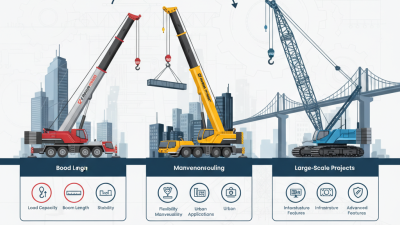
All Terrain Crane Safety Features and Maintenance Comparison