How to Choose a Robust Crane for Your Heavy Lifting Needs?
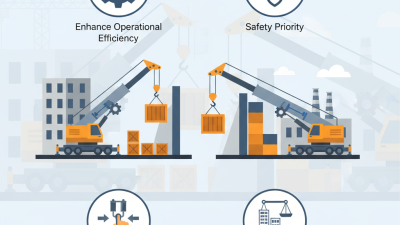
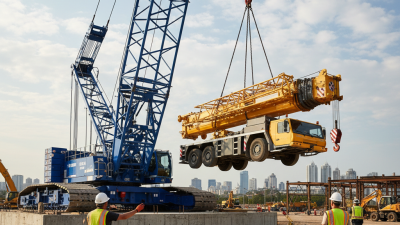
Choosing the right equipment for heavy lifting is crucial in construction and industrial sectors. A robust crane can make a significant difference in operational efficiency and safety. According to a report by the North American Crane Bureau, selecting the proper crane can reduce downtime by up to 30%. This statistic highlights the importance of making informed decisions.
The market offers various cranes, each with unique specifications. A robust crane should have a reliable lifting capacity, stability, and adaptability to different work environments. The American National Standards Institute (ANSI) sets forth guidelines on crane safety and performance. Understanding these standards is essential when evaluating crane options.
Industry experts emphasize the need for balance between power and precision. A robust crane must handle heavy loads while ensuring operational accuracy. Neglecting these factors can lead to severe safety risks and financial losses. Reflecting on your specific lifting needs can prevent costly mistakes in crane selection.
Factors to Consider When Selecting a Crane for Heavy Lifting Applications
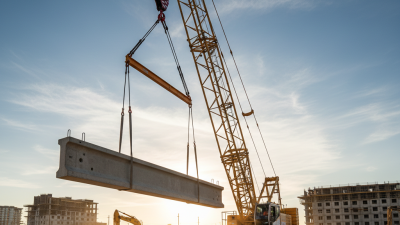
Selecting a robust crane for heavy lifting requires careful consideration of several critical factors. Capacity is paramount; knowing the maximum weight to lift ensures the crane can handle the load. According to the American Society of Civil Engineers, cranes must be chosen based on their load charts, which detail safe lifting capacities across various configurations. Additionally, the operational environment plays a significant role. Indoor and outdoor conditions present different challenges, such as space constraints or wind resistance.
When evaluating a crane, stability should not be overlooked. Models with outriggers provide additional support, reducing the risk of tipping. A report by the Occupational Safety and Health Administration indicates that improper crane selection contributes to many accidents. Therefore, familiarizing yourself with stability metrics is essential.
Training operators thoroughly on equipment is equally crucial. Even the best crane can fail if not operated correctly. It’s vital to consider certifications and compliance with industry standards as well. Regular maintenance checks should be scheduled to ensure reliability and safety over time.
Using cranes for heavy lifting involves complexity. Engaging with experienced professionals can facilitate informed decisions. Assessing individual project requirements will lead to the best crane choices, ultimately promoting efficiency and safety in heavy lifting applications.
Understanding Different Types of Cranes and Their Load Capacities
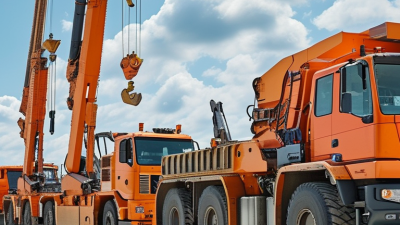
When selecting the right crane for heavy lifting, understanding load capacities is crucial. Different types of cranes serve specific functions and come with varied weight limits. For instance, mobile cranes are versatile and can maneuver easily on-site, but their load capacity typically ranges from 10 to 100 tons. On the other hand, tower cranes, often seen on construction sites, can lift heavy loads with significant height and stability, reaching capacities of up to several hundred tons.
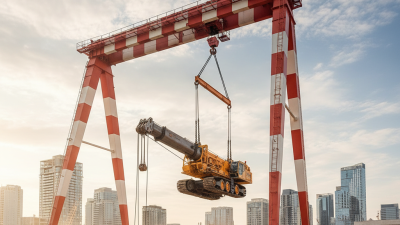
Consider your project needs carefully. Assess the materials you need to lift and the distances involved. Cranes like gantry cranes are suitable for repetitive tasks in fixed locations. They offer substantial lifting capabilities, but their mobility is limited. A rough estimate of required lifting capacity should always factor in safety margins.
It’s vital to keep maintenance in mind. Regular inspections can help prevent accidents caused by wear and tear. An operator's experience also matters greatly; an inexperienced operator can misjudge a crane's limits. Researching various crane types offers insight, but hands-on experience is invaluable. Take time to reflect on potential challenges in your lifting operations to ensure safety and efficiency.
Evaluating Safety Features in Cranes: Key Industry Standards and Regulations
When evaluating cranes for heavy lifting, safety features are crucial. Cranes operate in various environments, often under challenging conditions. Features like overload protection are essential. They prevent excessive loads that could lead to accidents. Operators must be trained to recognize these limits. Additionally, emergency stop mechanisms play a vital role. An effective system allows for quick responses during unexpected situations.
Industry standards and regulations provide guidelines for crane safety. Organizations such as OSHA set specific requirements. Compliance ensures that cranes are tested and certified. Regular inspections are also mandatory. They help identify potential issues before they become serious problems. However, implementation of these regulations can vary. In some cases, companies may overlook thorough training, leading to gaps in safety measures.
Creating a culture of safety is paramount. It requires continuous education and awareness. Operators should be encouraged to speak up about safety concerns. A transparent environment stimulates improvement. Nonetheless, some organizations face resistance when addressing safety protocols. Changes take time, but they are necessary for effective operations. Balancing safety with productivity can be challenging, but it is achievable.
Assessing Crane Mobility and Stability for Varied Work Environments
Choosing a crane involves assessing its mobility and stability for different environments. Cranes are essential for heavy lifting, but they must suit specific job sites. Mobility refers to how easily a crane can move on-site. Stability ensures it can safely lift heavy loads without tipping.
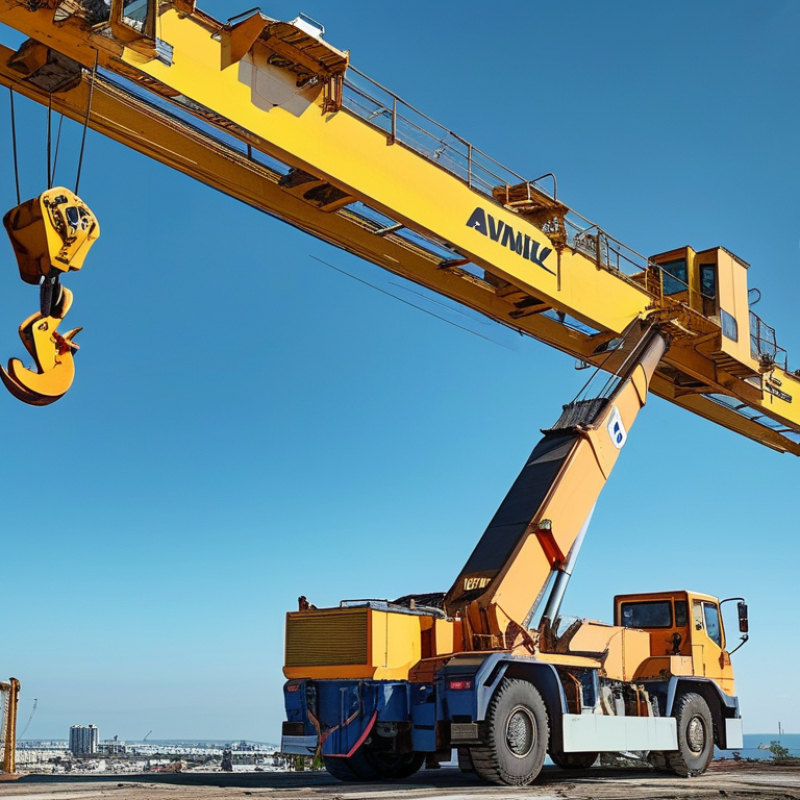
Consider the terrain of your job site. If the ground is uneven, select a crane with adjustable outriggers. This provides extra support and helps maintain balance. A rough surface may require a crane with tracks instead of wheels. Make sure the crane can navigate obstacles that might impede its movement.
Wind conditions also affect crane performance. High winds can destabilize a crane, leading to accidents. Always check local weather forecasts before operating. Familiarize yourself with the crane's load chart for maximum stability guidelines. Operators should be trained to understand these factors. Analyze past lifting experiences to identify areas for safety improvement.
Crane Mobility and Stability Assessment for Heavy Lifting Needs
Importance of Manufacturer Reputation and After-Sales Support in Crane Selection
Choosing the right crane for your heavy lifting tasks goes beyond selecting one with the right specifications. The reputation of the manufacturer plays a crucial role in ensuring reliability. Quality manufacturers often have a long history of engineering excellence. They invest in advanced technology and adhere to safety standards. This commitment ensures that their cranes perform reliably under demanding conditions.
After-sales support should also be a key consideration. A reputable manufacturer offers robust service options. These can include regular maintenance checks and readily available spare parts. These services can save you time and money down the line. In contrast, a company with poor after-sales support can leave you in a bind. If a crane breaks down, it can disrupt your operations for days.
Reflecting on your choice of supplier can be revealing. Consider how well they respond to inquiries. A quick and knowledgeable response indicates reliability. If communication is slow or vague, think twice. Your crane should not only excel in performance but also come from a brand you can trust.