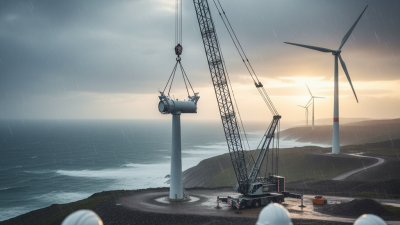

10 Tips for Choosing a Wind Turbine Crane?
Choosing a wind turbine crane is a critical decision in a rapidly expanding industry. The Global Wind Energy Council reported 117 GW of new wind capacity in 2023, lifting global installations above 1,000 GW. Each project demands safer, heavier, and more precise lifting systems.
A wind turbine crane must match turbine weight, hub height, terrain, access roads, weather limits, and assembly sequence. The International Renewable Energy Agency also reported continued growth in wind capacity, increasing pressure on contractors to control downtime and transport costs. A crane that looks powerful on paper may still fail operationally beside a narrow mountain road or soft offshore platform.
Mammoet lifting specialist David Berryman has said, “The right lifting solution begins with understanding the complete project, not just the crane.” That principle shapes these 10 practical tips. Capacity matters. So does setup time. Ground pressure matters more than many buyers expect.
Look closely at boom length, counterweight logistics, wind-speed limits, maintenance support, operator experience, and emergency planning. The U.S. Department of Energy’s offshore wind market reporting shows how larger turbines are increasing installation challenges. Bigger components change everything.
No checklist is perfect. Real sites remain unpredictable. A tidy calculation may overlook rain, uneven ground, or a delayed vessel. That is why this guide combines manufacturer data, site evidence, and lessons from lifting operations. The goal is not to choose the largest wind turbine crane. It is to choose the most suitable, supportable, and safely deployable machine for the project.
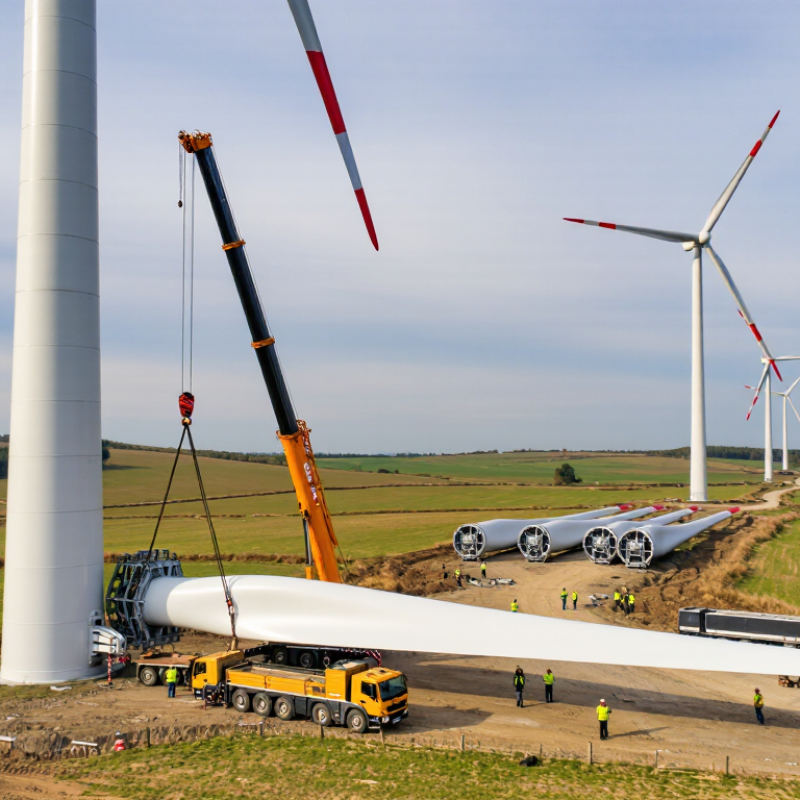
Assess the Wind Turbine Project’s Lifting Requirements
A crane choice begins with the turbine, not the crane catalog. GWEC’s Global Wind Report 2024 recorded 117 GW of new wind capacity in 2023. Larger projects now bring heavier nacelles, longer blades, and taller towers to remote sites. Record every component weight, lifting point, center of gravity, and transport condition. Do not rely on average values from earlier projects.
Calculate the heaviest lift at its greatest working radius. Include hook height, boom length, wind limits, ground bearing pressure, and required setup space. A nacelle may weigh more than 300 tonnes, while modern offshore components can exceed that figure considerably. The exact project data matters more than a general industry estimate. Check the manufacturer’s lifting drawings and confirm every dimension with the engineering team.
Use a load chart for the complete configuration, not a headline capacity. The crane must retain a safe margin after rigging, spreader beams, lifting tools, and weather restrictions are included. IEC 61400-6 highlights the structural demands of wind turbine towers, while ISO 12480-1 supports disciplined lifting planning. These standards guide decisions, but they cannot replace a site survey. A neat spreadsheet can still lie. Recheck soil strength, crane mats, turning paths, and emergency lowering options. I would also model one difficult lift, because calm assumptions rarely survive changing wind conditions.
Match Crane Capacity with Turbine Components and Load Charts
10 Tips for Choosing a Wind Turbine Crane
Match Crane Capacity with Turbine Components and Load Charts
Choosing a wind turbine crane starts with the component, not the crane’s advertised maximum capacity. A nacelle, hub, or blade creates a different lifting problem. Record each component’s verified weight, dimensions, center of gravity, and approved lifting points. Then review the crane load chart for the exact boom length, counterweight, radius, and working configuration. The number matters at the pick point. A crane rated for 500 tonnes may lift far less at a long radius.
On active sites, I have seen planning errors begin with a weight rounded too generously—or too casually. Use certified component data and add rigging, spreader beams, hooks, and lifting accessories. Account for wind, suspended load movement, ground conditions, and the required safety margin. Wind limits deserve special attention. A blade can act like a sail before it reaches the hub. The chart also needs checking at the worst radius, not only during the initial lift. A short lift may become demanding after slewing.
Before mobilization, compare the lift plan with component limits and the crane operator’s site assessment. Confirm outrigger reactions, foundation strength, access width, and clearance from nearby structures. Do not rely on a generic chart copied from an old project. That shortcut is tempting. It can also hide a serious mismatch. Recheck every assumption after a design change, even a small one. Sometimes the original plan is technically correct but impractical in real weather. That gap needs honest discussion, not optimistic numbers.
Compare Crane Types, Mobility, and Site Access Conditions
10 Tips for Choosing a Wind Turbine Crane?
Choosing a wind turbine crane starts with the lift, not the rental schedule. A crawler crane offers strong stability on prepared ground and handles heavy nacelles well. Its slow travel can complicate long site moves. A mobile telescopic crane sets up faster and suits smaller components, but boom length and lifting capacity may reduce at height. All-terrain cranes provide useful flexibility between paved roads and compacted work areas. They still need firm access routes.
Check ten practical points:
load weight, lift radius, hook height, boom length, ground pressure, transport width, setup space, turning radius, weather limits, and emergency access. I have found that access often decides the crane before capacity does. Narrow forest roads may require removable counterweights and escort vehicles. Steep grades can make a suitable crane unusable. Measure bridge limits carefully. Small errors become expensive.
Crawler cranes need engineered tracks or mats across soft soil. Mobile cranes need stable outriggers and enough room to deploy them fully. Confirm soil reports, road gradients, overhead clearance, and underground services before mobilization.
Coastal sites demand extra attention to wind exposure and surface corrosion. Crane charts must match the exact configuration, including counterweights and attachments. Do not rely on a sales estimate alone. An independent lift plan is safer.
One detail is easy to miss: future turbine maintenance may need the same access route. The cheapest crane can become the slowest choice.
Evaluate Wind, Ground, Safety, and Regulatory Constraints
10 Tips for Choosing a Wind Turbine Crane
Evaluate Wind, Ground, Safety, and Regulatory Constraints
Choosing a wind turbine crane starts with site reality, not brochure capacity. Global wind capacity reached about 1,021 GW in 2023, according to GWEC’s Global Wind Report 2024. That growth is pushing projects into steeper, softer, and more remote terrain.
Check the turbine’s heaviest lift, radius, hook height, and required duty cycle. Then verify wind limits at every lifting stage. Gusts can exceed forecast averages, especially near ridges and coastlines. Define stop-work thresholds before mobilization. Do not rely on one weather app. That is a common planning weakness.
Ground conditions deserve equal attention. Request geotechnical data, drainage records, and underground utility drawings. Confirm bearing capacity beneath outriggers, crawler tracks, access roads, and crane pads. IRENA reported approximately 1,017 GW of global wind capacity at the end of 2023, showing how varied installation environments have become. A perfect lift plan can still fail on weak fill.
Review exclusion zones, communication methods, rescue access, and inspection intervals. Align the plan with local lifting rules, environmental permits, road limits, and occupational safety requirements. Regulations vary by jurisdiction. A competent engineer should approve critical calculations and temporary works. Leave contingency for rain, lightning, traffic delays, and unexpected soil movement. The cheapest crane is not always the safest choice. Sometimes, the technically “right” option needs reconsideration.
Review Costs, Supplier Support, and Operational Reliability
10 Tips for Choosing a Wind Turbine Crane
Review Costs, Supplier Support, and Operational Reliability
Check the crane’s rated capacity at the actual lift radius, not only its headline tonnage. Verify boom length, hook height, and wind limits against the turbine installation plan. Confirm ground pressure requirements, especially on temporary access roads and soft platforms. Inspect transport dimensions before choosing a model. A crane that cannot reach the site is useless.
Check fuel consumption or electrical demand during long lifting cycles. Compare mobilization, assembly, permits, crew, maintenance, and standby charges. Ask suppliers for transparent hourly rates and documented cost assumptions. Review spare-parts availability and emergency response times. Confirm technician coverage near the project site. Request training records for operators and maintenance teams. Examine inspection certificates and service history. Check whether the supplier can provide a replacement unit after a major breakdown. Reliability needs evidence.
The Global Wind Energy Council reported 117 GW of new wind capacity in 2023. More projects mean tighter crane availability and stronger scheduling pressure. IRENA reported a global weighted-average onshore wind cost of about USD 0.033 per kWh in 2023. Crane delays can quickly weaken that cost advantage. Ask for references from comparable terrain and turbine sizes. Review weather-delay procedures and lifting plans. Do not accept vague promises about uptime. Field estimates are often optimistic. A small contingency budget may prevent a very expensive pause. Source: GWEC Global Wind Report 2024; IRENA Renewable Power Generation Costs in 2023.
Related Posts
-
Top Wind Turbine Crane Technologies and Their Impact on Renewable Energy?
-
China Top 10 Turbine Crane Manufacturers 2026
-
How to Safely Use a Crane for Lifting and Rigging in Construction
-
What Is a Hydraulic Crane and How Does It Work?
-
Why You Should Lift More Crane for Efficient Projects?
-
2026 How to Choose the Best Telescopic Crawler Crane?