

2026 Top Crane Companies for Global Buyers?
Choosing the right crane partner in 2026 requires more than comparing prices or browsing polished websites. Global buyers need dependable lifting equipment, clear technical evidence, and support that remains available after delivery. This guide examines leading crane companies for different industries, including construction, ports, energy, manufacturing, and infrastructure projects.
A strong company crane solution should match the worksite, lifting capacity, duty cycle, available power, and local climate. Buyers should review load charts, component quality, inspection records, operator controls, and maintenance access. Experience matters. A manufacturer that understands salt air, heavy dust, freezing temperatures, or crowded urban sites can reduce avoidable downtime. So can a responsive service network.
Details matter most.
This overview considers engineering capability, customization, safety practices, production consistency, and international support. It also looks beyond advertising claims. Factory visits, independent inspections, warranty terms, spare-parts availability, and installation training often reveal more than a sales brochure. Reliable companies explain limitations instead of promising everything. That honesty can protect a project budget.
No ranking is perfect. Market conditions change, and a respected supplier may not suit every application. A compact workshop crane may fit a manufacturing plant, while a large crawler crane may serve a bridge project better. Buyers should still verify regional standards, delivery schedules, financing conditions, and after-sales commitments before signing. The goal is not to identify one universal winner. It is to help global purchasers make a practical, evidence-based decision with fewer surprises.
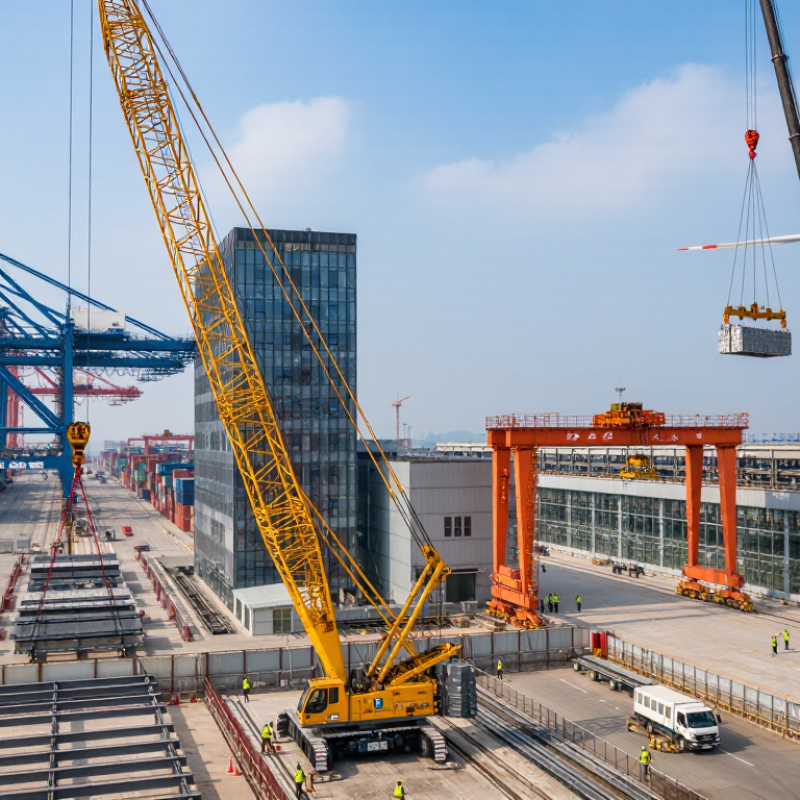
What Defines a Top Crane Company in 2026?
A top crane company in 2026 is not defined by lifting capacity alone. Global buyers need evidence that equipment performs safely on real sites, not only in polished brochures. Reliable manufacturers publish load charts, inspection intervals, test records, and service procedures in clear language. They also explain limitations. That matters. A 100-ton crane may fail a project if ground pressure, wind exposure, or transport access is ignored. Experienced suppliers ask for site drawings, duty cycles, climate conditions, and operator skill levels before recommending a model.
Technical depth separates serious companies from traders. Look for engineers who can discuss fatigue life, hydraulic stability, electrical protection, and emergency lowering without vague promises. Factory quality should be visible through traceable components, documented welding controls, and repeatable commissioning checks. Independent certification helps, but it should support practical evidence rather than replace it. Ask for references from comparable ports, construction sites, or industrial plants. A useful reference describes maintenance hours, spare-part response, and actual uptime.
After-sales support often reveals a company’s real character. A capable partner provides training, remote diagnostics, multilingual manuals, and reachable technicians across working time zones. Spare parts should have stated lead times, not hopeful guesses. Cybersecurity also deserves attention when connected controls collect operating data. No supplier gets everything perfect. Strong machines can still be weakened by unclear handover documents and rushed operator training. Buyers should challenge assumptions, record acceptance tests, and review performance after six months. The best company admits where its equipment needs improvement.
2026 Top Crane Companies for Global Buyers? - What Defines a Top Crane Company in 2026?
| Evaluation Dimension | Weight | 2026 Buyer Benchmark | Practical Evidence to Request | Relevant Standard or Reference |
|---|---|---|---|---|
| Safety Management | 20% | Documented risk assessment, overload protection, emergency-stop functions, limit switches and operating procedures. | Risk assessment, safety-function drawings, test records, operator manuals and commissioning checklist. | ISO 12100; ISO 12480-1; IEC 60204-32; applicable national regulations. |
| Design Compliance | 15% | Crane design is classified by duty, load spectrum, operating cycles and service conditions rather than rated capacity alone. | Design calculations, duty classification, load charts, fatigue assessment and applicable conformity documents. | ISO 4301-1; ISO 4306-1; EN 13001 series where applicable. |
| Product Coverage | 10% | Capability across common equipment types, including overhead, gantry, jib, monorail, hoist and process cranes. | Technical catalog, reference configurations, capacity ranges, span limits and lifting-height data. | ISO 4306-1 terminology; equipment-specific national and regional requirements. |
| Customization Capability | 10% | Engineering adaptation for building geometry, indoor or outdoor exposure, temperature, corrosive environments and production cycles. | Approved layout drawings, environmental design limits, interface schedule and change-control procedure. | ISO 4301-1; ISO 12944 for corrosion-protection planning where relevant. |
| Reliability and Quality Control | 15% | Traceable material records, weld-quality controls, component testing and documented factory acceptance procedures. | Inspection and test plan, material certificates, weld inspection records, factory test report and serial-number traceability. | ISO 3834 where welding quality requirements apply; ISO 9001 quality-management principles. |
| Installation and Commissioning | 10% | Clear responsibility for assembly, alignment, electrical testing, functional tests, load testing and operator handover. | Installation method statement, commissioning plan, test certificates and training records. | ISO 9927-1; ISO 12480-1; applicable local inspection rules. |
| After-Sales Service | 10% | Planned maintenance, spare-parts availability, inspection support, breakdown response and service documentation. | Service-level agreement, preventive-maintenance schedule, spare-parts list and escalation contacts. | ISO 9927-1 inspection principles; manufacturer maintenance instructions. |
| Digital Monitoring | 5% | Optional condition monitoring for operating hours, overload events, fault history, maintenance intervals and usage trends. | Dashboard demonstration, data ownership terms, alarm logic, export format and cybersecurity controls. | IEC 62443 principles may apply to industrial automation cybersecurity. |
| Energy Efficiency | 3% | Efficient motors and drives, regenerative braking where suitable, variable-speed control and reduced idle operation. | Motor and drive specifications, estimated duty-cycle consumption and energy-saving options. | IEC 60034 motor requirements; project-specific energy calculations. |
| Global Delivery Readiness | 2% | Ability to prepare export documentation, packing plans, multilingual manuals, local compliance files and remote technical support. | Commercial invoice, packing list, shipping dimensions, manuals, compliance declaration and project communication plan. | Destination-country import, electrical, lifting and workplace-safety requirements. |
| Total Buyer Evaluation Framework | 100% | A top crane company combines compliance, engineering depth, lifecycle support, documented quality and dependable international project execution. | ||
Related Posts
-

China Top Truck Boom Crane Suppliers for Global Buyers?
-

How to Choose a Robust Crane for Your Construction Needs?
-
Why Choose a Truck Boom Crane for Your Construction Needs?
-
What is the Largest Crane in the World and Its Incredible Capabilities
-
Why Choose an All Terrain Crane for Global Projects?
-
Top 10 Company Cranes to Watch in 2025: Trends and Innovations