10 Best Crawler Crane Manufacturers Worldwide in 2026
Choosing the right crawler crane manufacturer requires more than comparing lifting capacity or brand recognition. In 2026, contractors face demanding projects, tighter schedules, stricter safety expectations, and increasingly complex ground conditions. A reliable crawler crane must perform steadily on bridges, wind farms, refineries, ports, and large industrial sites. It should also offer practical transport solutions, responsive service, clear documentation, and dependable parts support.
This guide examines ten leading crawler crane manufacturers worldwide, using criteria that matter beyond showroom specifications. We consider lifting performance, boom configurations, operator visibility, hydraulic systems, digital monitoring, factory quality control, and field reputation. Maintenance access also matters. A powerful machine becomes a costly problem when technicians cannot reach critical components quickly. Customer experience, dealer coverage, training programs, and long-term operating costs receive equal attention.
No ranking is perfect. Market data changes, regional availability differs, and a manufacturer’s strongest model may not suit every contractor. Some companies excel in heavy lifting, while others provide better flexibility for rental fleets or urban construction. The discussion therefore avoids treating one brand as universally superior. Instead, it highlights where each manufacturer performs well and where careful evaluation remains necessary. Readers should confirm current specifications, local support, certification requirements, and project conditions before making a purchase decision. Real job sites often reveal details that brochures overlook, including setup time, transport restrictions, soil pressure, and operator confidence.
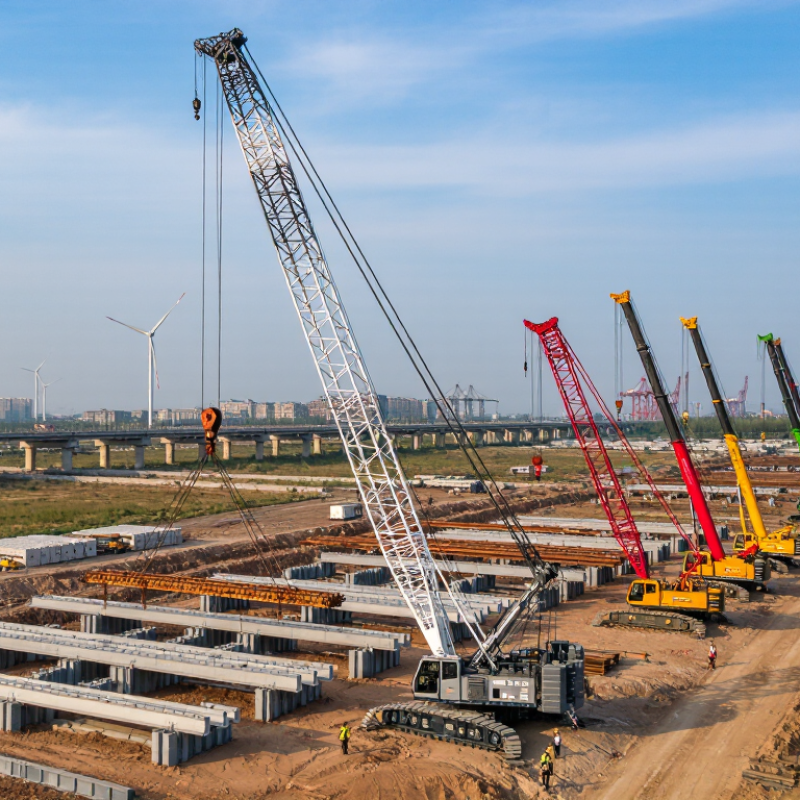
2026 Crawler Crane Market Scope and Evaluation Metrics
The 2026 crawler crane market covers heavy lifting equipment used in construction, energy, infrastructure, ports, and industrial projects. Market evaluation should measure more than annual sales. It must consider rated lifting capacity, operating range, fleet age, rental demand, and regional project activity.
A practical assessment begins with technical performance. Track maximum load, boom length, transport width, ground pressure, fuel use, and assembly time. Jobsite experience shows that transport efficiency can matter as much as lifting power. A crane that needs fewer support vehicles may reduce delays on restricted sites. Hydraulic stability, operator visibility, control accuracy, and service access also deserve measurable scores.
Reliability requires evidence from several sources. Compare audited production data, verified project records, maintenance reports, dealer coverage, and customer feedback. Market studies should separate manufacturer shipments from rental fleet purchases. Otherwise, demand may appear stronger than it is. No metric is perfect. Regional regulations, soil conditions, and weather can distort direct comparisons. Our weighting may still need adjustment, especially for electric and hybrid crawler cranes. Battery endurance remains difficult to compare because test conditions vary. A useful 2026 framework should update quarterly as infrastructure spending, material costs, and fleet replacement patterns change.
Top Manufacturers by Rated Capacity: 100–3,000+ Tonnes
Choosing the 10 best crawler crane manufacturers in 2026 requires more than comparing maximum lifting figures. Rated capacity ranges from around 100 tonnes to over 3,000 tonnes, but real performance depends on boom length, ground pressure, counterweight, and wind limits. A 100-tonne crane may suit bridge assembly, while a 1,600-tonne model needs engineered haul roads and extensive assembly space.
KHL’s 2024 Yellow Table reported approximately US$243.4 billion in global construction equipment sales. However, that figure covers many machine types, not crawler cranes alone. MarketsandMarkets’ 2024 mobile crane analysis forecasts strong growth through 2029, supported by energy, infrastructure, and industrial projects. These reports show market direction, but they do not replace project-level verification.
For the 100–300-tonne class, buyers should inspect transport width, attachment changes, and operator visibility. At 600–1,000 tonnes, hydraulic reliability and modular counterweight handling become more important.
Above 1,200 tonnes, fleet support, engineering software, and local service capacity can decide availability. The 3,000-tonne category is different again. Only a few manufacturers can consistently support lifts of that scale, and quoted capacity may depend on a specific configuration.
I would score each manufacturer against ISO 4301-1 duty classification, EN 13000 compliance, test documentation, and documented field uptime. Capacity tables can look impressive. They can also hide inconvenient assumptions. A careful review should examine independent load charts, maintenance records, and completed lifts in comparable soil conditions.
Safety Standards: ISO 4301, EN 13000, and ASME B30.5
A crawler crane’s safety record begins with classification, not horsepower. ISO 4301 helps engineers assign duty groups by load spectrum, operating cycles, and expected service. That classification affects fatigue calculations, inspection intervals, and component selection. It is not a simple quality badge. On site, I would compare the rated duty group with the crane’s actual lifting pattern. Repeated picks near maximum capacity can expose a mismatch quickly.
EN 13000 addresses mobile-crane design and safe operation, including stability, controls, load charts, and limiting devices. For crawler cranes, ground pressure and track configuration deserve close attention. A level pad can still hide weak soil. Field teams should verify setup conditions, wind limits, reeving, and communication procedures before lifting. The operator’s manual must match the machine delivered, not an older revision. Small paperwork errors become serious when visibility is poor.
ASME B30.5 provides widely used guidance for mobile and locomotive cranes, covering inspection, operation, maintenance, and signaling. Its value depends on competent people applying it consistently. Daily checks should include wire rope, hooks, brakes, pins, alarms, and hydraulic leaks. Record the findings. I have seen inspections become routine boxes, with little attention to changing weather or ground conditions. That weakness deserves honest review. Manufacturers that explain these standards clearly, supply traceable records, and support training show stronger reliability.
Ten Global Leaders Ranked by Product Range and Service Coverage
The 2026 ranking examines ten global crawler crane manufacturers through product range and service coverage. It avoids popularity alone. Instead, it considers lifting capacity, boom configurations, transport efficiency, digital controls, and field support. A strong portfolio serves compact urban projects, wind farms, bridge construction, and heavy industrial sites.
Experience matters when ground conditions change quickly. On muddy soil, operators need stable tracks, clear load charts, and responsive technical guidance. Leading manufacturers usually offer lattice-boom and telescopic models, from medium-duty machines to ultra-heavy lifting systems. Their service networks provide spare parts, certified technicians, operator training, and remote diagnostics across major construction markets. Fast support can prevent several days of costly downtime.
No ranking is flawless.
Public service data can be uneven, and local dealers may perform differently. That limitation matters. The highest positions therefore reflect consistent coverage, not impressive specifications alone. Manufacturers with regional warehouses, multilingual documentation, safety-focused training, and reliable warranty procedures receive stronger consideration. A smaller supplier may still outperform a global rival on one demanding project. Buyers should compare repair response times, parts availability, fleet compatibility, and local technician experience before signing a contract. Availability on paper is not the same as support on site.