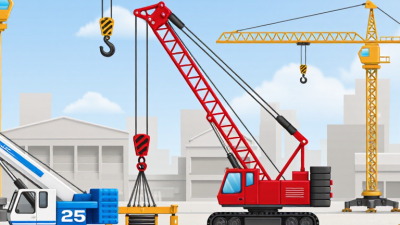

Why Buy a Used Crane for Your Business?
A used crane can unlock lifting capacity without the price tag of a new machine. For a growing contractor, that difference may fund rigging gear, operator training, or a service truck. The decision still deserves careful scrutiny. A low purchase price means little if the crane spends weeks awaiting parts.
The American Rental Association’s 2024 equipment and event rental forecast projected U.S. industry revenue of $78.2 billion, up 7.1% from 2023. That figure covers a broad rental sector, not used-crane sales specifically. Still, it signals continued demand for access to equipment and makes ownership costs worth comparing with rental costs. Scott Hazelton, ARA’s chief economist, studies these market conditions; his published outlooks offer a useful reminder: investment decisions should reflect real demand, not optimistic forecasts. This is a paraphrase, not a direct quotation.
A sound used-crane evaluation starts with the machine itself. Inspect maintenance records, load charts, wire ropes, hydraulic lines, and structural components. Ask an independent qualified inspector to assess the crane before purchase. Check whether its capacity, reach, and transport requirements match actual job sites—not just the biggest project on the calendar. A crane that fits the work matters.
There are trade-offs. Older equipment may need more maintenance, and resale value can be difficult to predict. Even so, the right machine, verified carefully, can expand a business’s capabilities while preserving capital. The key question is practical: will this used crane earn its place on the next job, and the one after that?
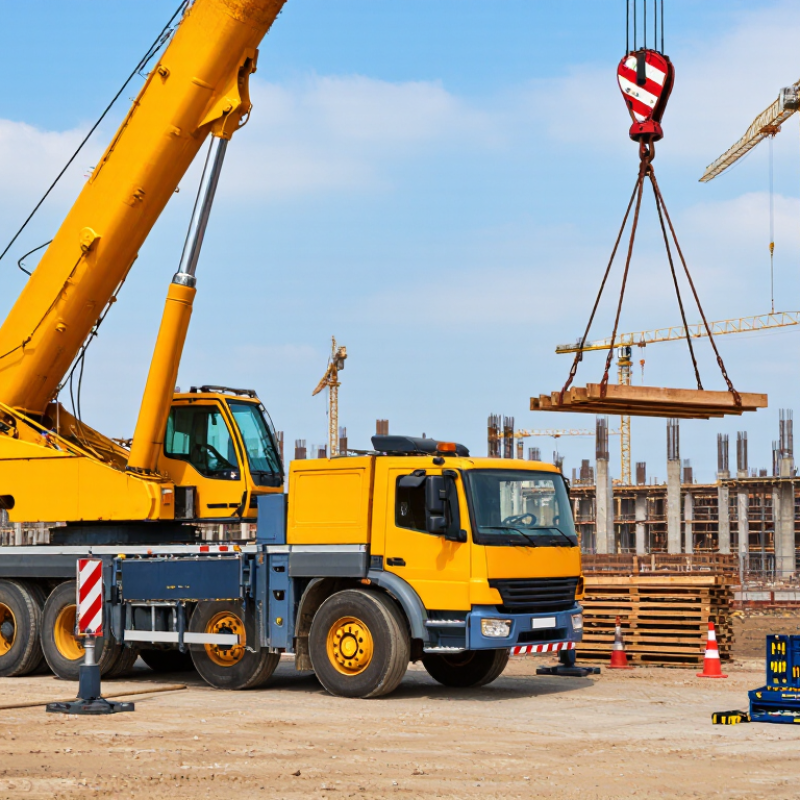
Understanding Used Cranes and Their Role in Business
A used crane can give a business lifting capacity without the cost of buying new. Its role is practical: moving steel beams, setting rooftop equipment, or loading heavy materials on a busy site. The right choice depends on lift radius, load weight, ground conditions, and how often the machine will work. A low purchase price means little if the crane cannot reach the work area. Check service records, operating hours, inspection history, and the load chart. Look for leaks, worn wire ropes, and damaged tires or tracks. Small details matter.
Demand offers useful context. The U.S. Census Bureau reported construction spending of about $2.15 trillion in 2024, indicating a large market for lifting work. The American Rental Association’s 2024 forecast put U.S. equipment and event rental revenue at about $75.5 billion. That rental activity suggests many firms value access to equipment without owning every machine. A used crane can serve businesses with steady, defined lifting needs, while rental may suit occasional jobs. That assumption can be wrong. Compare delivery, maintenance, operator availability, and downtime—not just the purchase price. Have a qualified technician assess the crane before purchase, and match its documented capacity to real job requirements.
How Buying Used Can Reduce Equipment Costs
Buying a used crane can preserve cash without forcing a business to compromise on lifting capacity. The savings start with the purchase price: a hypothetical $500,000 new crane versus a comparable used unit at $350,000 leaves $150,000 available for crew training, rigging, or other operating needs.
That is a 30% difference, not an industry-wide average. Actual prices depend on age, hours, configuration, and condition.
The American Rental Association’s 2024 forecast estimated U.S. equipment and event rental revenue at $78.2 billion, reflecting the scale of equipment rental demand. For businesses with steady crane use, ownership may cost less over time than repeated rentals—but only if the machine stays productive.
Check service records, inspect structural and hydraulic components, and budget for repairs, transport, and insurance. A low asking price can hide expensive downtime.
Not every used crane is a bargain. Compare the expected cost per working hour with rental quotes and the cost of a new unit. The arithmetic helps, but inspection quality still matters. Sometimes the better deal is less obvious.
Availability, Depreciation, and Return on Investment
A used crane can be available sooner than a new unit, which matters when a project is already scheduled. Still, availability depends on the machine’s condition, location, and inspection results. A crane parked nearby may save weeks, but transport and setup can add unexpected costs. Ask for maintenance records and arrange an independent inspection before committing. A quick purchase is not always a quick start.
Depreciation can make a used crane’s purchase price more manageable. Much of the early value loss may already have occurred, though resale value still depends on age, hours, upkeep, and market demand. Check for wear around the boom, tires, hydraulic lines, and controls. Small defects can become expensive repairs. A lower price is only useful if the machine can do the work reliably.
Estimate return on investment using realistic operating hours, not an optimistic schedule. Include inspection, transport, repairs, insurance, and operator costs alongside the purchase price. Then compare that total with the revenue the crane can reasonably support. A spreadsheet can make the result look cleaner than it is. Projects get delayed, and utilization may fall short. Leave room for those uncertainties, and compare the used machine’s expected costs with the cost of waiting for another option.
Why Buy a Used Crane? A 5-Year Depreciation Example
In this illustrative scenario, a used crane costs less upfront and loses fewer dollars in value over five years than a comparable new crane. Used equipment may also be available sooner, depending on local inventory and inspection requirements. Actual prices, resale values, delivery times, and maintenance costs vary; verify them for each crane before purchasing.
Evaluating Crane Condition, Safety, and Maintenance History
A used crane can look clean and still carry years of hard work beneath fresh paint. Look closer. Review its maintenance records for service dates, recurring faults, hydraulic repairs, and replaced wire ropes. Compare the paperwork with the crane’s age and recorded hours. A missing entry is not proof of neglect, but it deserves a clear answer. Ask who performed major repairs and whether inspection reports are available. Then check that the crane’s configuration matches its load charts and operating documents. A neat folder helps, but it cannot confirm the machine’s present condition.
Inspect the boom, frame, welds, and outriggers for cracks, distortion, or corrosion. Look for oil around cylinders and hoses, and check ropes for broken wires, flattening, or kinks. Test brakes, controls, alarms, and safety devices under suitable conditions. Have a qualified crane technician assess the machine before purchase, including its records and operating functions. No checklist catches everything. A short demonstration may reveal slow movement or unusual noise, yet it cannot replace a detailed inspection. I would treat a seller’s confidence as one piece of information, not evidence; the condition beneath the cab still needs careful, independent scrutiny.
Matching a Used Crane to Your Operational Needs
A used crane should be matched to the lift, not the sale listing. Define the heaviest load, working radius, hook height, and expected duty cycle. A 10-ton load close to the machine may require a different setup from a lighter load lifted across a long radius. Check the load chart for the exact boom, counterweight, reeving, and outrigger configuration. Small details matter. Measure access routes, note overhead obstructions, and assess ground conditions before choosing capacity. A crane that cannot reach its setup point is no bargain.
BLS’s 2022 Census of Fatal Occupational Injuries recorded 1,069 fatal work injuries in construction. The figure is not crane-specific, but it underscores the need to assess equipment condition and site risks. Have a qualified technician compare operating hours with maintenance records and inspect wire rope, brakes, sheaves, hydraulics, and structural welds. OSHA’s 29 CFR 1926.1402 addresses ground conditions needed to support crane operations. Used machines can have incomplete records. That uncertainty deserves scrutiny, not optimism. Check transport dimensions and setup time, too; a machine that fits the lift but delays every delivery may not fit the business.
Related Posts
-
What Is a Used Crane and How Much Does It Cost?
-
What Is the Best Used Crane to Buy in 2026?
-

How to Choose the Right Heavy Lift Crane for Your Construction Project
-
Top 10 Turbine Crane Types You Should Know About?
-
2025 Top Precision Crane Trends and Innovations You Need to Know
-

Why Are Boom Cranes Essential in Modern Construction Projects?