
Why Is Crane Lifting Capacity Important for Global Buyers?
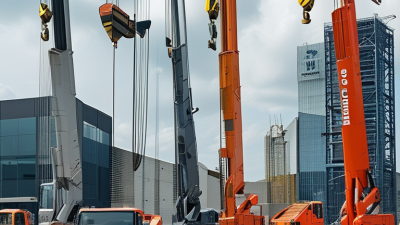
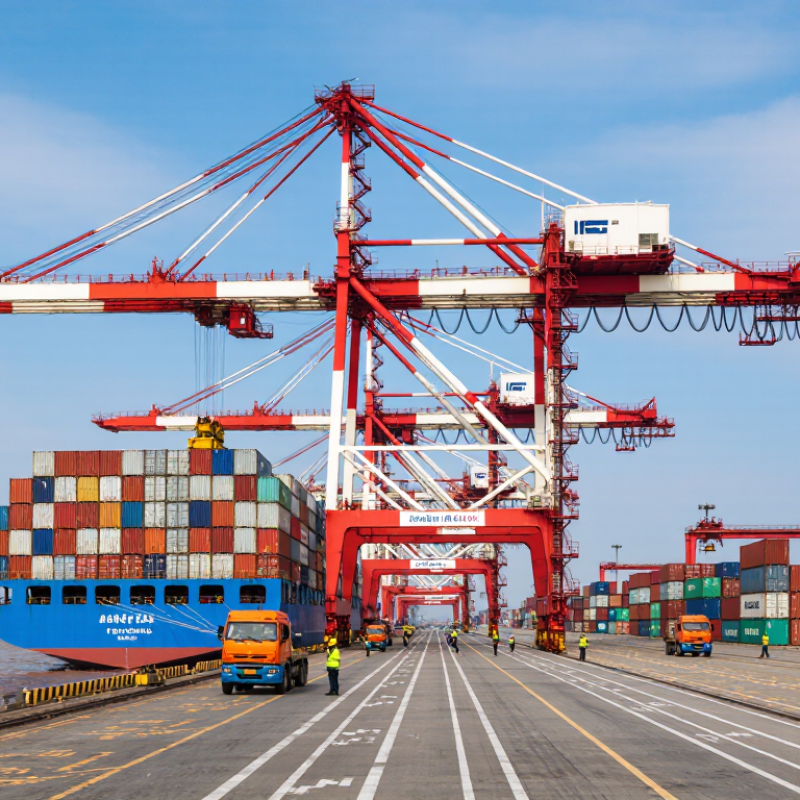
Crane lifting capacity is a purchasing decision with direct safety, productivity, and cost consequences. For global buyers, a crane is not merely steel, motors, and controls. It is a working system operating above people, cargo, vehicles, and valuable infrastructure. UNCTAD reports that more than 80% of global merchandise trade moves by sea, making port cranes essential to international supply chains. A capacity error can delay containers, damage equipment, or force costly operational restrictions.
The rated load must match real working conditions. Buyers should examine maximum load, working radius, lifting height, duty class, wind exposure, and load frequency. ISO 4301-1 classifies cranes by total utilization and load spectrum, providing a practical basis for comparing equipment from different manufacturers. In field procurement, a crane may lift 20 tonnes near the mast but far less at its maximum outreach. That detail is often missed. It should not be.
Professional buyers also verify test certificates, maintenance records, overload protection, spare-parts access, and operator training. OSHA’s material-handling guidance stresses rated-capacity compliance and proper inspection, while the International Labour Organization links safer workplaces with stronger management systems. These references do not replace local technical assessment. They support it.
Search behavior may produce the phrase “crane lifting crane lifting crane,” but reliable purchasing requires clearer questions. What load will be lifted daily? How often will the crane reach its limit? What happens during wind, power loss, or uneven loading? A lower-priced crane can become expensive when downtime, replacement parts, and reduced safety margins appear. Capacity is not a single number. It is a documented promise that must fit the site, the cargo, and the buyer’s long-term experience.
What Crane Lifting Capacity Means in Global Trade
What does crane lifting capacity mean in global trade? It is more than a number on a quotation sheet. Capacity defines the maximum safe load under specific operating conditions. These conditions include reach, lifting height, load shape, speed, wind, and duty cycle. A crane rated for 20 tonnes may lift far less at full outreach. This detail often surprises overseas buyers.
In global purchasing, capacity affects equipment selection, shipping arrangements, installation planning, and operating costs. Experienced buyers request load charts, inspection records, test certificates, and clear technical drawings. They also confirm local safety requirements before signing a contract.
A supplier’s stated capacity should match the crane’s working radius and expected load path. Otherwise, a seemingly attractive price may hide expensive modifications or delays.
A practical example is a steel coil lifted beside a warehouse. The load may weigh 12 tonnes, but its narrow storage position requires extended boom reach. The crane may need a higher rated capacity to perform that lift safely. We have seen buyers compare only headline tonnage. That shortcut is understandable, but incomplete. Capacity should be reviewed with real working conditions, not isolated figures. Sometimes, the safest choice is not the largest crane. It is the model that maintains stable performance during ordinary daily lifts, including weather changes and repeated loading.
How Crane Lifting Capacity Is Measured and Rated
Crane lifting capacity is measured as the maximum load a crane can handle safely under a defined configuration. It is not a single number. Rated capacity changes with boom length, working radius, boom angle, counterweight, and ground conditions. A load chart shows these limits in detail. The number is conditional.
Engineers determine capacity through structural calculations, stability analysis, and controlled load testing. Calibrated instruments may record hydraulic pressure, load moment, and hook load. The rated load usually includes the lifted object and, depending on the applicable standard, lifting accessories. Slings, spreader beams, hooks, and shackles can consume part of the available capacity. That distinction matters.
Global buyers should separate rated capacity from working load limit, or WLL. Rated capacity describes the crane’s permitted performance for a specific setup. WLL identifies the maximum safe working load for an accessory or component. Buyers should request the complete load chart, test records, inspection history, and configuration details. They should also confirm whether the figures use metric tonnes or short tons. A small unit mistake can create a serious planning error.
In field conditions, wind, uneven soil, sudden starts, and side loading can reduce safe performance. Experienced operators keep a clear margin below the charted limit. Sometimes, project teams rely too heavily on the headline capacity. That approach needs reflection. A crane rated for 100 tonnes at a short radius may lift far less at a longer reach. Independent inspection and competent engineering review provide stronger purchasing confidence.
Why Capacity Affects Safety, Efficiency, and Project Costs
Why Is Crane Lifting Capacity Important for Global Buyers?
Why Capacity Affects Safety, Efficiency, and Project Costs
Crane capacity is more than a number on a specification sheet. It defines what the machine can lift safely at a particular radius, boom length, and working height. A 20-ton crane may lift 20 tons near its center, but far less at the edge of a site. Wind, ground conditions, and load shape also change the real limit. Small errors can become expensive quickly.
The International Labour Organization estimated 2.93 million work-related deaths globally in 2023. Not all involved lifting equipment, but the figure shows why capacity planning deserves serious attention. In daily operations, an overloaded crane can damage components, delay work, or destabilize the machine. It may also force workers to improvise. That is a warning sign.
Tips: Compare rated capacity charts, not headline tonnage. Ask for load-test records, maintenance history, and local engineering support. Confirm the maximum load at your actual working radius. A qualified lifting engineer should review unusual lifts.
Capacity also affects project efficiency. An undersized crane may require extra lifts, longer shifts, or rental replacement. An oversized crane can increase transport, setup, and fuel costs. McKinsey Global Institute reported that large construction projects often finish 20% late and can exceed budgets by up to 80%. Crane selection cannot solve every delay. However, matching capacity to the lifting plan removes one avoidable risk. Specs alone are not enough. Field conditions still matter.
Why Is Crane Lifting Capacity Important for Global Buyers?
Crane capacity directly affects whether a planned lift can be completed safely and efficiently. The chart shows the theoretical mechanical power required to lift different rated loads at a constant speed of 0.5 m/s.
Values are calculated using the physical relationship P = mgv, where gravity is 9.81 m/s². Actual crane performance depends on load radius, boom configuration, ground conditions, wind, duty cycle, and safety limits. Selecting insufficient capacity can create unsafe lifts and delays, while excessive capacity may increase mobilization and operating costs.
Calculated theoretical values: 1 metric tonne = 1,000 kg; lifting speed = 0.5 m/s. The figures are not manufacturer specifications.
How Global Buyers Can Match Capacity to Their Lifting Needs
Global buyers should match crane capacity to the actual lift, not the maximum number on a brochure. A 10-ton crane may lift 10 tons only at a short working radius. The rated capacity can fall sharply when the load moves outward. Buyers should check load weight, lifting radius, hook height, duty cycle, wind exposure, and ground conditions. Include slings, spreader beams, hooks, and other accessories in the total load. Small omissions become expensive surprises.
ISO 4301-1 classifies cranes by working cycles and load spectrum, not capacity alone. A crane handling 2 tons continuously may need a stronger service classification than one lifting 8 tons occasionally. OSHA guidance also requires operators to follow rated capacity charts and avoid overload conditions. The International Labour Organization reports that construction can represent 30–40% of occupational fatalities in some countries. Capacity selection is therefore a safety decision, not merely a purchasing calculation.
Consider an 8-ton steel frame lifted 18 meters from the crane centerline. A 10-ton nominal crane may be unsuitable after radius, accessories, wind, and stability are considered. Ask suppliers for certified load charts, inspection records, operating limits, and project-specific calculations. I would also request a second review. A spreadsheet can look precise and still miss a changing radius or weak ground condition. That uncomfortable gap deserves attention.
What Buyers Should Check Before Purchasing a Crane
Crane lifting capacity is not a single number on a sales sheet. Buyers should check the rated load at the exact working radius, boom length, and lifting height. A crane may lift ten tonnes near its base but far less at full reach. Request the complete load chart, not a simplified headline figure. Do not guess. Compare the chart with your heaviest planned load, including hooks, slings, spreader beams, and other lifting accessories.
Inspect the crane’s structure, welds, drums, brakes, ropes, hooks, and limit devices. Ask for inspection records, material certificates, factory test results, and maintenance instructions. The control system should offer smooth movement, clear alarms, and emergency stopping. Buyers should also confirm power requirements, working temperature, wind limits, foundation loads, and available installation space. A beautiful specification is not enough.
Before purchasing, define the real job site with measurements and photographs. A controlled test lift can reveal sway, poor visibility, or slow controls that documents miss. Test it under load. Check operator training requirements and the availability of qualified service support. Spare parts matter, especially for ropes, brakes, sensors, and electrical components. Buyers sometimes focus too heavily on maximum capacity and overlook duty cycle or maintenance access. That mistake is understandable, but expensive. A careful review should also question uncertain data instead of accepting every promise.
Related Posts
-
7 Best Lifting Crane Manufacturers for Global Buyers?
-
China Top 10 Lifter Crane Manufacturers for Global Buyers
-

7 Best Lifting Cranes for Efficient Heavy Lifting in 2023
-
2026 Best Types of Crane on a Crane for Global Buyers
-
Top 10 Crane Lifting Machines for Global Buyers?
-
How to Lift More With a Crane Safely?