
Sanghvi Crane

2026 Best Type of Crane for Lifting Heavy Loads?

Choosing the best type of crane for lifting heavy loads starts with the lift plan, not the largest capacity figure on a brochure. The required load, working radius, lift height, ground conditions, and access route all matter. A 100-ton crawler crane may suit a stable, long-duration lift, while an all-terrain crane can be more practical where the machine must travel between locations. Small details count. A soft shoulder or a tight turning area can change the choice.

Safety data reinforces why the match matters. The U.S. Bureau of Labor Statistics reported 1,075 fatal work injuries in the construction industry in 2023. That figure covers many hazards, not crane incidents alone, but it underscores the stakes of disciplined planning. OSHA’s construction crane standard, 29 CFR 1926 Subpart CC, addresses issues including rated capacity, inspections, and safe operation. For actual selection, use the crane manufacturer’s load charts and have qualified personnel verify the proposed configuration and site conditions.

There is no universal winner. Crawler cranes offer stability and strong lifting capacity, but transporting and assembling them takes time. All-terrain cranes offer mobility, though their setup still depends on outrigger placement and adequate ground support. Tower cranes often serve tall, fixed projects; gantry cranes can fit controlled industrial environments. The phrase “crane lifting crane lifting crane” may look repetitive, yet the real question is simpler: which crane can handle this load, at this radius, on this ground? Even a careful first estimate can be wrong. Treat it as a starting point, then confirm the lift with project-specific calculations and professional review.
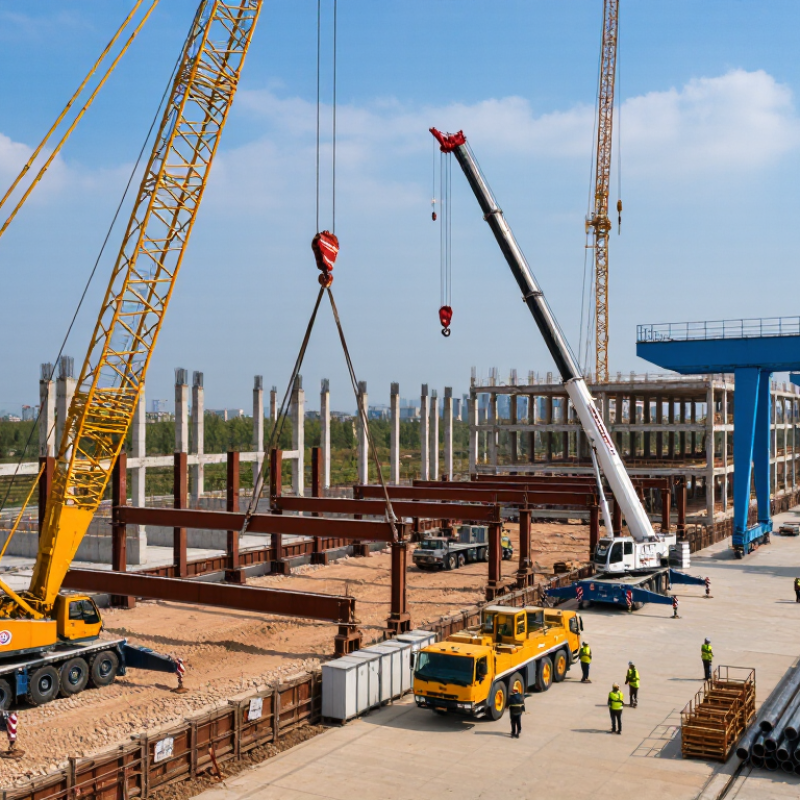
2026 Best Type of Crane for Lifting Heavy Loads?

What Defines a Heavy Load and a Crane’s Lifting Capacity?

“Heavy load” has no universal tonnage threshold. A 12-ton machine may be routine for one crane and unsafe for another. The useful question is whether the complete lift fits the crane’s rated capacity at the planned radius and configuration. A 10-ton object, for example, can exceed capacity when the boom reaches farther across a site. The load also includes rigging, lifting beams, and other suspended gear. Small items add up.

A crane’s headline capacity is not its capacity at every position. OSHA’s construction crane standard, 29 CFR 1926.1417, prohibits operating above rated capacity; operators must use the applicable load chart. Check boom length, working radius, counterweight, outrigger setup, and ground conditions.

For scale, the U.S. Bureau of Labor Statistics reported 1,075 fatal work injuries among construction and extraction workers in its 2023 Census of Fatal Occupational Injuries. That figure is not crane-specific, but it underscores why estimates deserve scrutiny.

One awkward detail: load weights are sometimes uncertain. Verify them before lifting, and reassess when the setup changes. A chart is only as useful as its assumptions.

Which Crane Types Are Designed for Heavy Lifting?

Crawler cranes are a strong choice for heavy lifts on large, prepared sites. Their wide tracks distribute machine weight, and lattice booms can be configured for substantial loads. Some crawler models can travel slowly with a suspended load, but ground pressure and stability still require careful assessment. Not every site can support them.

For exceptional loads, ring cranes use a large circular track to distribute forces and support very high capacities. International Cranes and Specialized Transport’s 2024 IC50 ranking includes a ring crane rated at 5,000 metric tonnes. That figure describes a specific configuration, not a routine lift. Boom length, radius, counterweight, wind, and ground conditions can sharply reduce usable capacity. A large number on a chart can mislead.

All-terrain cranes suit projects needing road travel between locations and lifting flexibility at the site. Their capacity depends heavily on setup and working radius, so they may not replace a crawler or ring crane for the heaviest picks. Safety planning matters with every type: OSHA estimated its crane safety rule could prevent 22 fatalities and 175 nonfatal injuries annually. The right choice starts with the load’s weight and dimensions, then checks the lift path, soil bearing capacity, and available setup space. The weakest assumption can decide the outcome.

2026 Best Crane Types for Lifting Heavy Loads

Indicative maximum lifting capacities for specialized crane configurations (metric tonnes)

For very heavy lifts, crawler and ring cranes are often suitable choices because they can be configured for exceptionally high capacities. Actual lifting capacity depends on the crane configuration, boom or radius, ground conditions, and lift plan; these upper-end figures are not directly comparable to everyday operating capacities.

How Do Load, Reach, and Site Conditions Guide Crane Choice?

Choosing a crane starts with the heaviest pick, not the machine’s headline capacity. Confirm the load’s weight, including rigging, hook block, and attachments. OSHA’s construction crane standard requires operators to follow the applicable load chart and stay within rated capacity. Check the chart for the planned boom length, working radius, counterweight, and outrigger setup. Capacity can drop sharply as the radius grows. That matters.

Measure radius from the crane’s center of rotation to the load’s final position, not just to its pickup point. Then check ground firmness, slope, drainage, buried services, overhead obstructions, and access for setup. OSHA requires ground conditions to support the crane, including its anticipated loads. Outrigger reactions and soil capacity should be reviewed; mats may help, but they do not fix every weak-ground problem. Site sketches can be optimistic, so verify dimensions in the field.

Reach and access often decide the crane type. A mobile crane may suit a paved, changing worksite; a crawler crane may better fit long-duration lifts on prepared ground. Neither is automatically safer or cheaper. The Bureau of Labor Statistics counted 1,075 fatal injuries among construction and extraction occupations in 2023; that figure covers many causes, not crane incidents alone. It reinforces why lift planning, qualified review, and realistic site measurements matter.

What Safety Checks Are Essential Before a Heavy Lift?

A safe heavy lift starts with a verified load, not a guess. Confirm the load’s weight, center of gravity, lifting points, and rigging weight against the crane’s load chart at the planned radius. Check the ground for soft spots, drains, and buried services before setting outriggers. Use suitable mats where required. Inspect slings, hooks, shackles, and wire ropes for damage, wear, or missing identification. OSHA’s construction-crane rule, 29 CFR 1926.1412, requires inspections at specified intervals and when equipment conditions warrant them.

The lift plan should identify the operator, signal person, and person directing the lift. Agree on clear radio commands and stop-work signals. Mark an exclusion zone, check overhead hazards, and confirm wind conditions stay within equipment limits. A brief trial lift can reveal imbalance or slipping before the load travels. Small details matter. The U.S. Bureau of Labor Statistics reported 1,075 fatal work injuries in construction in 2023; this figure is not crane-specific, but it underlines why planning and hazard controls deserve attention.

Tips: Pause if unsure. Recheck the chart after any change in radius or configuration. Keep people clear of suspended loads, and never rely on a quick visual estimate for weight. One missed check can change the lift.

How Do Mobility, Setup Time, and Cost Affect Crane Selection?

2026 Best Type of Crane for Lifting Heavy Loads?

Mobility, setup time, and cost can matter as much as a crane’s rated capacity. A mobile crane can travel between jobs and often needs less assembly. It may suit a tight schedule, provided the site has firm access and enough room for outriggers. Crawler cranes spread their weight across tracks and can handle demanding lifts, but transporting and assembling them may take longer. Time is money.

Compare the full job, not just the rental rate. A crane that arrives quickly may still need extra mats, traffic control, or a larger setup area. Check the load chart for the planned radius and configuration, then confirm ground conditions and access routes with qualified lifting professionals. These details can change the equipment choice. A low quote is not always the economical one, though forecasting every delay is difficult.

Tips: Match the crane to the heaviest load and its lifting radius. Ask for setup and transport costs in writing. Walk the access route before booking, and flag soft ground or overhead obstructions early.

2026 Best Type of Crane for Lifting Heavy Loads? How Do Mobility, Setup Time, and Cost Affect Crane Selection?

Crane Type Indicative Capacity Range Mobility Typical Setup Time Relative Cost Best Suited For Key Selection Consideration
Crawler crane About 50–3,000+ metric tonnes, depending on model and configuration Moves on crawler tracks; usually transported to site in sections and assembled there Several hours to multiple days; larger lifts can require extensive assembly High mobilization and setup cost; often economical for long-duration, high-capacity work Very heavy lifts, major infrastructure, industrial projects, and work on large sites Needs adequate ground bearing capacity and space for assembly; generally not suited to public-road travel as a complete unit
All-terrain mobile crane About 40–1,200 metric tonnes for commonly available configurations; larger specialized units exist Road-capable multi-axle carrier with off-road capability; travels between sites under applicable permit and route limits Usually a few hours; additional time may be needed for counterweights, boom sections, and permits Moderate to high; transport, counterweight logistics, and site access affect total cost Heavy lifts at changing locations where both road travel and uneven-site access matter Check the load chart at the required radius and boom length—not just the crane’s headline maximum capacity
Rough-terrain crane About 30–160 metric tonnes for many models Compact, four-wheel-drive crane designed mainly for travel around rough or unpaved sites Often under a few hours for routine setup; counterweight or attachment changes can add time Low to moderate for on-site work; road transport to the site may require a separate vehicle Construction and industrial sites with uneven ground, limited space, and moderate-to-heavy lifts Typically less suitable for long-distance road travel or very high-capacity lifts than larger crane types
Truck-mounted crane About 10–120 metric tonnes for many common configurations Travels on roads as a truck-mounted unit; generally quick to reposition between nearby jobs Often minutes to a few hours, depending on outrigger setup and required attachments Low to moderate for lighter or shorter-duration jobs Frequent local lifts, deliveries, smaller construction tasks, and jobs where rapid arrival is valuable Outriggers need stable support, and capacity can fall substantially as lifting radius increases
Tower crane Commonly about 5–80 metric tonnes; capacity varies greatly by jib length and position Fixed to a prepared base or supported by a climbing system; not intended for routine site-to-site movement Typically days to weeks for erection, depending on height, configuration, and site conditions High initial setup cost; can be cost-effective on long-term projects with repeated lifting needs High-rise construction and repeated lifting across a broad, fixed work area Plan foundation, erection, climb sequence, operating radius, and dismantling before construction begins
Hydraulic gantry system Modular systems can lift hundreds to several thousand tonnes, depending on the arrangement Can lift and move loads over short distances using a planned rail, skid, or strand-jack arrangement Usually several hours to multiple days for engineering, assembly, and commissioning High specialist engineering and setup cost; may avoid major crane-access or dismantling work Confined industrial spaces, equipment replacement, and precise positioning of exceptionally heavy loads Requires engineered support points, load distribution checks, and a defined movement path

Planning note: Capacity ranges and setup times are indicative, not guaranteed specifications. Actual capacity depends on the manufacturer’s load chart, boom and jib configuration, lifting radius, counterweight, rigging, ground conditions, wind limits, and local regulations. Confirm the lift plan with a qualified crane professional.

Scroll to Top