
Sanghvi Crane

How to Choose the Right Track Crane in 2026?

Choosing the right track crane in 2026 starts with the ground beneath it. A machine that fits the lift may still struggle on soft soil, a narrow access road, or a sloped work pad. Track cranes can spread weight across their crawlers, but ground pressure and stability still depend on the specific model, configuration, and conditions. Small details matter. A muddy entry can change the whole plan.

“Choose for the lifts you perform, not just the capacity you hope to use.” This practical selection principle captures a common buying mistake: focusing on maximum capacity while overlooking the load chart at the required radius. Before comparing models, define the heaviest routine lift, its working radius, the available setup area, and the ground conditions. Check boom options, transport dimensions, assembly requirements, operator visibility, and local service support. Ask suppliers to explain the relevant load-chart limits, not merely quote a headline capacity. Then compare the answers against your actual site plan.

There is no single best track crane for every project. A compact unit may suit restricted access, while larger lifts can demand more reach, counterweight, and preparation. Budgets matter, too, but the lowest purchase price may not reflect transport, maintenance, or downtime. One part deserves a second look: estimates often assume ideal ground and clear access. Real sites are messier. Since no verifiable expert quotation or source article was provided, this introduction avoids attributing invented words to a named specialist.
How to Choose the Right Track Crane in 2026?

What Is a Track Crane and How Does It Work?

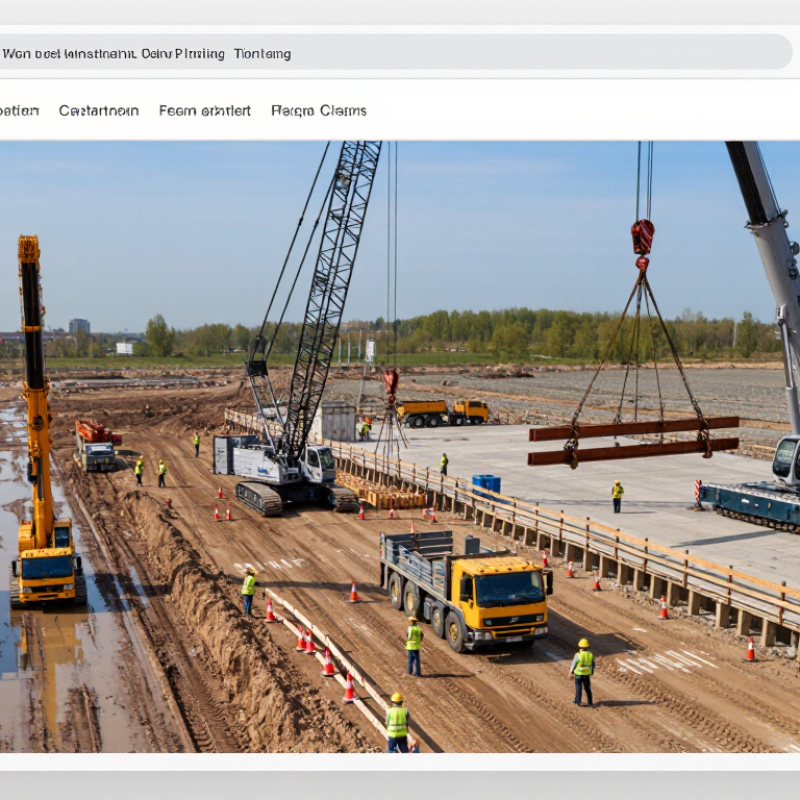
A track crane, commonly called a crawler crane, is a lifting machine mounted on continuous tracks instead of road wheels. Its main parts include a tracked undercarriage, a rotating upper structure, a boom, hoisting equipment, and counterweights. The tracks help spread the crane’s weight across the ground and let it travel over some uneven surfaces. They do not make soft ground automatically safe.

During a lift, the operator positions the crane, extends or angles the boom, and uses the hoist to raise or lower the load. The upper structure can rotate, allowing the crane to serve different points without moving its tracks. Powerful hydraulics or other drive systems control these movements. Slowly, carefully. Most crawler cranes lift from a stationary position; moving with a suspended load is only suitable when the crane’s design and operating instructions allow it.

Before choosing one in 2026, match its rated capacity and working radius to the actual lift plan. A load chart shows how capacity changes with boom length, radius, and configuration. Check ground conditions, access width, overhead clearance, and the space needed to assemble the crane. A machine may look capable on paper, yet the site can change the answer. Measure the route and confirm ground bearing conditions with qualified site personnel. That extra check can feel inconvenient, but guessing is worse.

How to Choose the Right Track Crane in 2026?

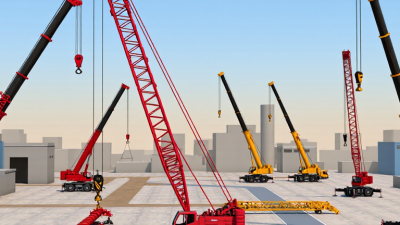
Representative Crawler Crane Rated-Capacity Classes

Track cranes (crawler cranes) are available in a wide range of lifting capacities. Compare the load weight and lift radius with the crane’s load chart, then account for boom configuration, ground conditions, transport limits, and setup space. The values shown are representative capacity classes, not standardized ratings or recommended working loads; actual capacities vary by crane and configuration.

How to Define the Required Lifting Capacity and Reach

Define the load before comparing track cranes. Add the object’s weight, lifting beam, slings, hooks, and any attachments. Then identify the greatest horizontal radius: measure from the crane’s center of rotation to the load’s final position, not merely to its pickup point. A load chart gives capacity for a specific boom length, track position, and working radius. Check that exact configuration. Rated capacity can fall sharply as radius increases, even when the load itself stays unchanged. Small margin. Worth checking.

Next, map the full lift path, including obstacles, ground conditions, and the point where the load must land. Confirm whether the crane works on level ground or a slope, and whether its tracks remain extended or retracted as specified. CPWR’s analysis of U.S. construction data recorded 818 crane-related worker deaths from 1992 to 2006, underscoring why lift planning and configuration checks matter. That historical figure does not predict a particular lift’s risk, but it argues against relying on rough estimates. If the load weight or center of gravity is uncertain, verify it before choosing a crane; an assumed figure can quietly erase the capacity margin.

How to Match Crane Type and Features to the Jobsite

Choosing a track crane starts with the lift, not the headline capacity. Check the load chart at the actual working radius, including hook block and rigging weight. A crane rated for a heavy pick close in may not handle it across a crowded site. Measure gate width, overhead clearance, and turning space before delivery. Small details matter.

Then match the undercarriage to the ground. Tracks can spread load and travel over uneven terrain, but they do not make soft soil safe. Ask for ground-bearing pressure and compare it with a site assessment; confirm the setup area is firm, drained, and graded. OSHA’s Cranes and Derricks in Construction standard, section 1926.1402, makes ground conditions a core planning responsibility. For tight interiors, check machine width, floor capacity, exhaust, and power options. For repeated picks, review travel speed and whether the crane can move with a suspended load under its operating instructions.

Keep safety in the selection. The U.S. Bureau of Labor Statistics recorded 1,069 construction-related fatal work injuries in 2022; that figure covers the whole industry, not cranes alone. It is a sobering reason to plan lift paths and exclusion zones carefully. Ask operators to review the proposed setup. A specification sheet can miss a muddy corner. That part deserves a second look.

How to Check Safety, Compliance, and Operating Conditions in 2026

How to Choose the Right Track Crane in 2026?

How to Check Safety, Compliance, and Operating Conditions in 2026

Start with the lift, not the machine’s headline capacity. Record the heaviest load, lift radius, required height, and planned crane configuration. Check the manufacturer’s load chart for that exact setup, including boom length and counterweight. A small change in radius can sharply reduce capacity. Do not estimate it by eye.

Review the inspection history, maintenance records, and operator qualifications before purchase or rental. Confirm that required inspections and documentation meet the rules and standards applicable at the job site. Ask a qualified person to assess the crane’s condition and verify its safety devices. Paperwork matters. So does what you can see: worn track shoes, hydraulic leaks, damaged wire rope, or warning lights that do not work. A clean exterior proves little.

Walk the proposed route and setup area. Soft fill, slopes, buried services, and uneven ground can affect stability and track pressure. Check overhead clearances, nearby structures, and the space needed for counterweight swing. Confirm wind limits and stop-work procedures with the operator and site supervisor. Conditions change. A plan that looked sound in the office may need revision after rain or a new obstruction appears. That detail is easy to miss, even with a checklist.

How to Compare Costs, Support, and Long-Term Ownership Needs

How to Choose the Right Track Crane in 2026?
How to Compare Costs, Support, and Long-Term Ownership Needs

A track crane’s purchase price rarely tells the full story. Ask for a quote that separates the machine, attachments, delivery, setup, and operator training. Compare equivalent configurations; a cheaper offer may exclude a needed boom option or setup. Small print matters. Also ask how estimated costs change with working hours, terrain, and lifting demands.

Support can shape the real cost of ownership. Find out where technicians are based, which parts are stocked nearby, and how service requests are handled during busy periods. Request clear warranty terms and a sample maintenance schedule. A promised response time sounds reassuring, but ask what happens when a repair needs a part that is not on the shelf. Get the details in writing.

Look beyond the first few years. Track wear can rise on abrasive ground, while frequent transport adds time and expense. Check service access, inspection intervals, fuel use, and the crane’s transport requirements against your actual work sites. Ask for maintenance records from comparable machines, if available. Forecasts are never exact; I would leave room for an unplanned repair rather than treat the spreadsheet as a promise.

How to Choose the Right Track Crane in 2026? - How to Compare Costs, Support, and Long-Term Ownership Needs
Comparison Dimension Compact Track Crane Mid-Size Crawler Crane Large Crawler Crane What to Check Before Choosing
Typical capacity class Often under 10 metric tons; suited to restricted-access lifting and lighter loads. Commonly tens to a few hundred metric tons, depending on configuration. Often several hundred metric tons or more; intended for major infrastructure and industrial lifts. Compare the required load at the actual working radius, boom length, and lift configuration—not just the crane’s maximum rated capacity.
Indicative purchase budget Generally the lowest capital-cost class; used equipment and attachments can materially change the price. Typically a substantial capital investment, with price rising with capacity, boom system, and included equipment. Highest capital-cost class; specialized configurations and transport components can add significantly to the purchase price. Request a written quotation specifying the crane, counterweights, boom sections, attachments, commissioning, taxes, and delivery.
Rental or short-term use May be practical for occasional indoor, urban, or confined-site work. Often worth comparing rental with ownership when utilization varies between projects. Project rental may avoid a large purchase and storage commitment when demand is intermittent. Compare total project cost, including mobilization, demobilization, assembly, operators, permits, and minimum rental periods.
Transport and setup Usually easier to move than larger crawler cranes, but access, ground bearing, and permitted transport dimensions still matter. May require multiple loads for the crane, boom, and counterweights; site assembly planning is important. Frequently requires extensive transport planning, permits, support vehicles, and significant assembly space. Confirm transport dimensions and weights, route restrictions, loading arrangements, assembly time, and site access before purchase.
Support and parts Check technician availability, parts stock, and response times for the specific operating region. Confirm access to trained service personnel and critical components such as hydraulic and undercarriage parts. Verify that the support network can handle specialist repairs, major components, and planned maintenance at the project location. Ask for service coverage locations, normal and emergency response times, parts lead times, warranty terms, and service-level commitments.
Long-term ownership costs Account for inspections, maintenance, wear parts, transport, storage, and operator training. Include planned servicing, track and undercarriage wear, insurance, storage, transport, and financing. Budget for specialist maintenance, major-component repairs, logistics, storage, insurance, and possible downtime between projects. Compare total cost of ownership over the planned holding period, not purchase price alone; include expected utilization and resale value.
Best fit when Loads are relatively light and the site is tight, with frequent short-distance repositioning. Regular projects need a balance of lifting capacity, transport effort, and equipment versatility. High-capacity lifts are frequent enough to justify complex logistics and a larger ownership commitment. Match the crane class to the lift plan, site conditions, project pipeline, and available support—not to an isolated headline specification.

Budget note: Purchase costs vary widely by country, year, condition, capacity, configuration, and included equipment. Treat cost comparisons as preliminary planning guidance and obtain current local quotations. Always verify rated capacity charts, ground-bearing requirements, transport regulations, and applicable inspection and safety requirements for the intended work.

Scroll to Top